Say More About That: Why one Bible writer stopped his story nearly mid-sentence and why it matters
Leaving a reader with less than they want is akin to walking off stage in the middle of your performance at the height of your fame. But the technique makes the story linger all the longer.
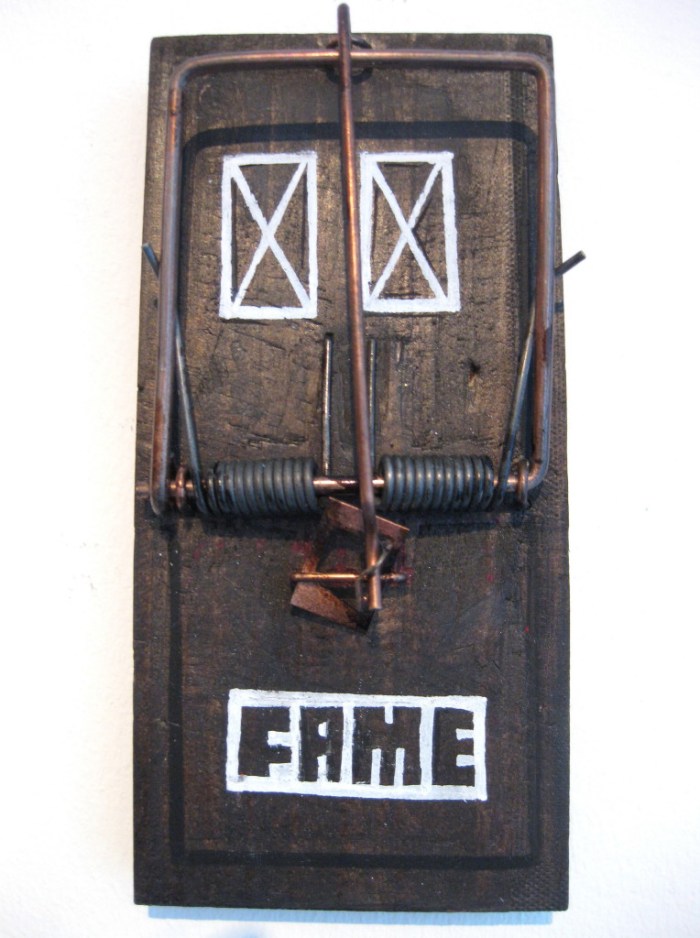
Leave for the sake of the story
Last week a few of us finished working our way chapter by chapter through Mark’s story about Jesus the Son of God. We found the writing idiosyncratic. Intent on capturing action, the writer jumped from episode to episode, scene to scene. The writer seemed less interested in sermons or long speeches (hey—who is?) so just left them out (when compared to the other recorders of Jesus’ life). The writer also cast Jesus’ close followers in a mostly unflattering light: not really getting what Jesus was saying. Generally intent on their own interests—so much so that Mark’s abrupt ending—leaving the followers trembling, astonished and fleeing full of fear after they encounter the empty grave—is a sure sign they never really understood the whole thing. In other words, Jesus’ followers seem like real people. No plaster saints in this story.
We argued why the writer ended so quickly. Did he hear an ice cream truck and left his manuscript and never came back? Why would he miss the important stuff like Jesus rising to heaven in the clouds (which we know from the other writers)? Some of us wished he had included more.
I think the abrupt ending was purposeful. I think he meant to leave us with questions. I think he meant for us to look back into the story and ask what it means to wait and watch. And to ask what it means to believe. The story lives on because it seems so unresolved—especially the case of this walking-talking-breathing God-man.
In the areas I work in, we continually try to build avenues to say more. More about our product. More about our ideas. More about me. We constantly work to expand the time involved for me to talk and to convince you of something. We want to gain an audience with a physician, for instance, and keep her attention until she understands the benefits of our product. But not everybody does this. Some people are smart enough to stop. Garrison Keillor may well be one of them, having recently announced he will retire in a couple years, before someone taps him on the shoulder and asks him to think about what he will do next. The writer of Mark’s Gospel was another. There were others: Plato’s Protagoras chose to end a speech in precisely the same way, which left Socrates “…a long time entranced: I still kept looking at him, expecting that he would say something, and yearning to hear it.” (Mark Denya, Tyndale Bulletin: 57 no 1 2006, p 149-150).
When is it right to leave a story unresolved?
###

 conversation is an engine
But wait--what do you think? Tell me: