Archive for the ‘Advertising’ Category
“And the only one with access is me!”
Why you need this Dutch insurance company.
Privacy is something we are keen on giving away.
###
Via Adfreak
Trebor: Proper Mints for Proper People
Still, confession is good for the soul
###
Via the Sell! Sell! Blog (click to check out the other soft mint fever-dream ad)
We’re not good with multiple voices
But if top-down communication isn’t working,

People find their voice.
###
Image Credit: Kirk Livingston
George has a superpower. You do too.
Problem: How to get people to appreciate something they already have?
Solution: Dramatize it.
Nicely done.
###
Via Adfreak
RIP Stan Freberg
Clever Copy
Enough with the pizza-slapping, Harry. Even if it does let you talk about “tender” pizza.
Read the article at Ad Age
###
Via Advertising Age
Libero: Football Dancing
Maybe I can dance after all.
Oh. Wait. I don’t play the (so-called) football either.
###
Via Adfreak
The Academy of Cliche (Canadian Film Festival)
“If I can’t see it coming, I already don’t like it.”
Many of us have studied here far too long.
###
Via Adland.TV
When Truth Sounds Like a Lie
And the lie that turns out true
Let’s make up a new term: the “aspirational lie.”
The aspirational lie is that thing that falls from your mouth before you can stop it.
- It is not quite true—that’s why you almost didn’t say it.
- But it is not quite false—something about it is true. Which is why you did say it.
That happened to me when talking to a writing class of business students. My professor friend let me come in and chat about freelance copywriting. She wanted her MBA students to see some different shades to how work gets done. In the course of our discussion we talked about how one prepares to write and about how one does the work.
I told one truth that sounded like a lie.
And I told a lie that turned out to be true.
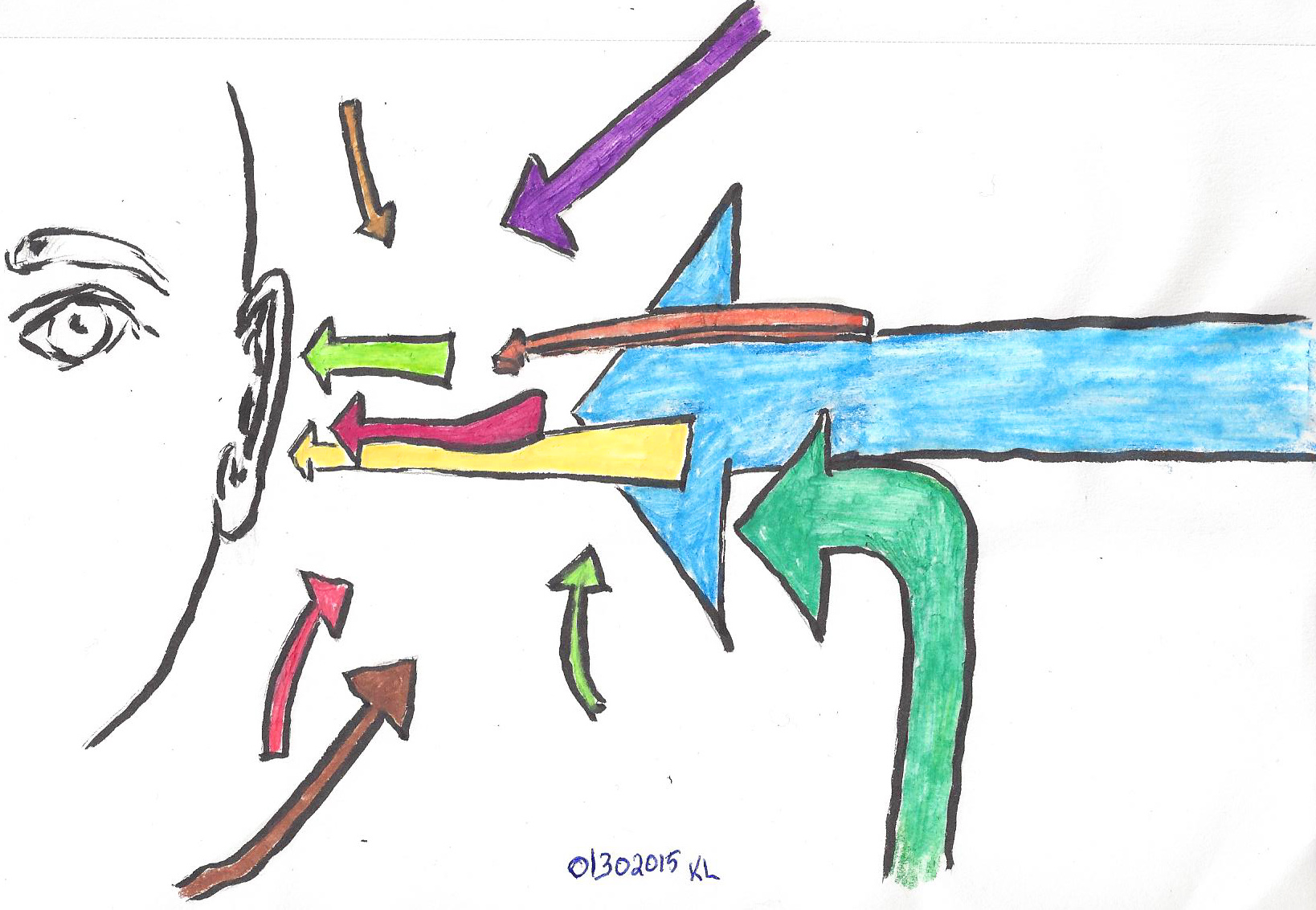
The Truth That Sounded Like a Lie
The truth that sounded like a lie was that I make a bunch of stuff up for my clients. “How so?” wondered the class. It’s like this: the writer’s work is to think forward and then tell the story of how all the parts fit together. Whether writing a white paper, a journal article, an advertising campaign or refreshing a brand, writers do what writers have always done: make stuff up. They grab bits and pieces of facts and directions and fit them into a coherent whole. As they move forward, they gradually replace false with true and so learn as they go.
That is the creative process.
You fill up your head with facts and premonitions and assumptions. Many are true, some are false. But the process itself—and the subsequent reviews reveal what it is true. Writing is very much a process of trying things on for size and then using them or discarding them. And sometimes we used facts “for position only,” as a stand-in for the real, true fact on our way to building the honest, coherent whole.
The Aspirational Lie
We also talked about backgrounds and how one prepares to write. I explained how degrees in philosophy and theology are an asset to business writing. Yes: I was making that up on the spot. But not really, because I have believed that for some time, though had never quite put it in those words. Pulling from disparate backgrounds is a way out of the narrow ruts we find ourselves in. Those divergent backgrounds help to connect the dots in new and occasionally excellent ways. Which is also why we do ourselves a favor when we break from our homogeneous clubs from time to time.
Comedy writers do this all the time. I just finished Mike Sacks excellent Poking a Dead Frog: Conversations with Today’s Top Comedy Writers (NY: Penguin Books, 2014), and was amazed all over again at the widely different life experiences comedy writers bought to their work.
The more I’ve thought about the aspirational lie that philosophy and theology contribute to story-telling, the more convinced I am it is true. That’s because I find myself lining up facts and story bits and characters and timelines according the rhythms and disciplines I was steeped in during school. In philosophy it was the standing back and observing with a disinterested eye. In theology it was the finding and unraveling and rethreading of complicated arguments—plus a “this-is-part-of-a-much-larger-story” component.
Our studies, our reading, our life experience—all these help line up the ways we hear things and the ways we connect the dots. Our best stories are unified and coherent because of this.
###
Dumb Sketch: Kirk Livingston
Dave’s Regrettable Dance is…Hilarious
Superbowl commercials are mere hours away.
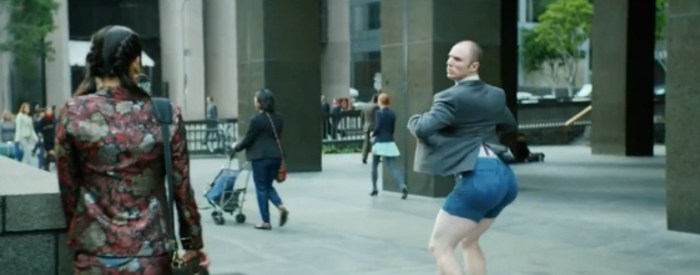
[Click image to play on Creativity site]
I think they are playing a football game too.
###
Via Creativity

 conversation is an engine