Archive for the ‘photography’ Category
Casket Arts: The Artist’s Palette
High in the Casket Arts Building

The artists in the Casket Arts Building are readying their spaces for Art-A-Whirl, next weekend.
###
Image Credit: Kirk Livingston
Extreme Listening: 4 Motivations
If one motivation doesn’t fit you right now, check that you have a pulse
We’re not great listeners. There’s so much we want to say and we are generally desperate to be heard. And in these highly partisan times, we simply shout at and past each other and call it a conversation.

Don’t let listening go unused.
But there are natural times when each of us actually does stop to listen. I count at least four:
- I Need Something. The most interested college students I teach are the ones who realize they need something. They are motivated to listen and stay engaged in class because they see themselves using the skill/knowledge we are talking about. I listen intently to the old guy at the hardware store because I truly have no clue why this plumbing connection will not seal. I listen because I need whatever it is the person is saying.
- I Want to Understand. It’s why a lot of us read fiction and non-fiction alike: we want to understand this topic and we’re willing to pay attention to this author as she or he spins out the story or argument. Wanting to understand is the motivation behind a story’s tension—it’s the hook that keeps us on the pages. We listen to our kids when they explain why they did this or that (when it seems perfectly counterintuitive to me). We sometimes listen to our own explanations and obfuscations as we try to distance ourselves from some thing we’ve done.
- I Want to be Close to You. “Listen, sweetheart, tell me everything about you.” The early days of romance give way over time to the growing realization that there is much we don’t know about our spouse—even after 30 years of marriage. We listen because we want to hear the perspective of our beloved.
- I Want to Serve. “Serve” sounds so menial, doesn’t it? And yet finding yourself in a position to help another is a primary motivation for work—at least I’ve found it so. Wanting to help beats working only for money. Wanting to help beats working to amass power every time. And wanting to serve is a sort of gift that keeps on giving. The desire to serve means listening to someone to see what he or she needs and wants. You cannot serve without listening.
If you have a listener in your life—someone who lets you spin out your argument or story and remains engaged—count yourself fortunate. I believe there’s actually quite a lot of healing in those listening encounters.
If you want to be an extreme listener tap into one of these motivations and apply it to your current situation.
Can you think of other motivations for listening?
###
Image credit: Kirk Livingston
Drunken Prophecy: The Tribe Who Didn’t Selfie
Boy 1: “Look at this old drunk guy”
Boy 2: “He’s not drunk. People call this guy a prophet—he’s just sleeping. Watch this.”
Pokes sleeping man with a stick.
Man wakes.
Boy 2: “Prophecy, Old Man!”

Man:
And there arose a tribe in the land of Commerce.
And these took not the selfies.
And they tended not their personal brand.
Neither did they Facebook.
And they came to be known as “Old.”
And the young did then flock to the Old
To hear stories of living without the desire for fame.
Boy 1: “Cool. But what a whack prophecy.”
Boy 2: “Crouch there. Let’s get a shot of us with this guy.”
Holds up phone.
###
Image Credit: Kirk Livingston
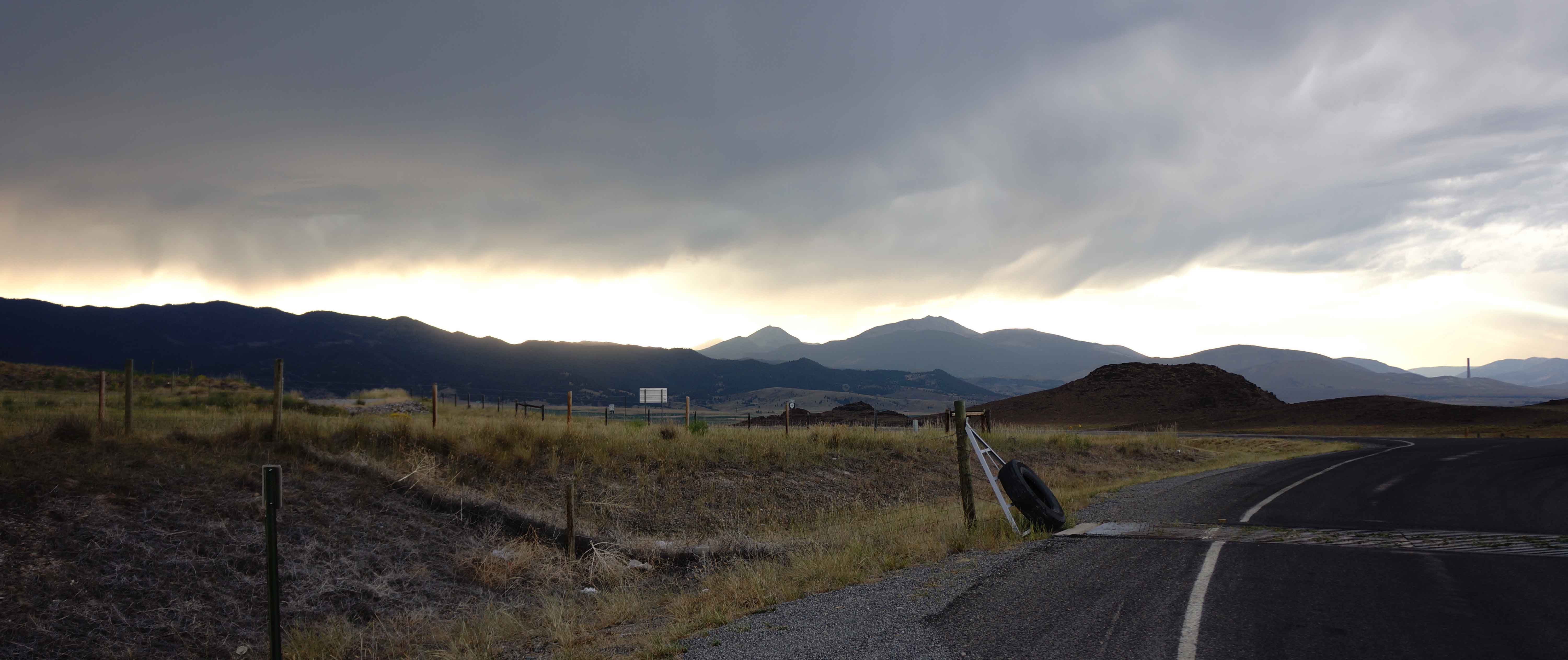
Welcome to the Arden Hills Library
Despite online, people still gather in physical spaces
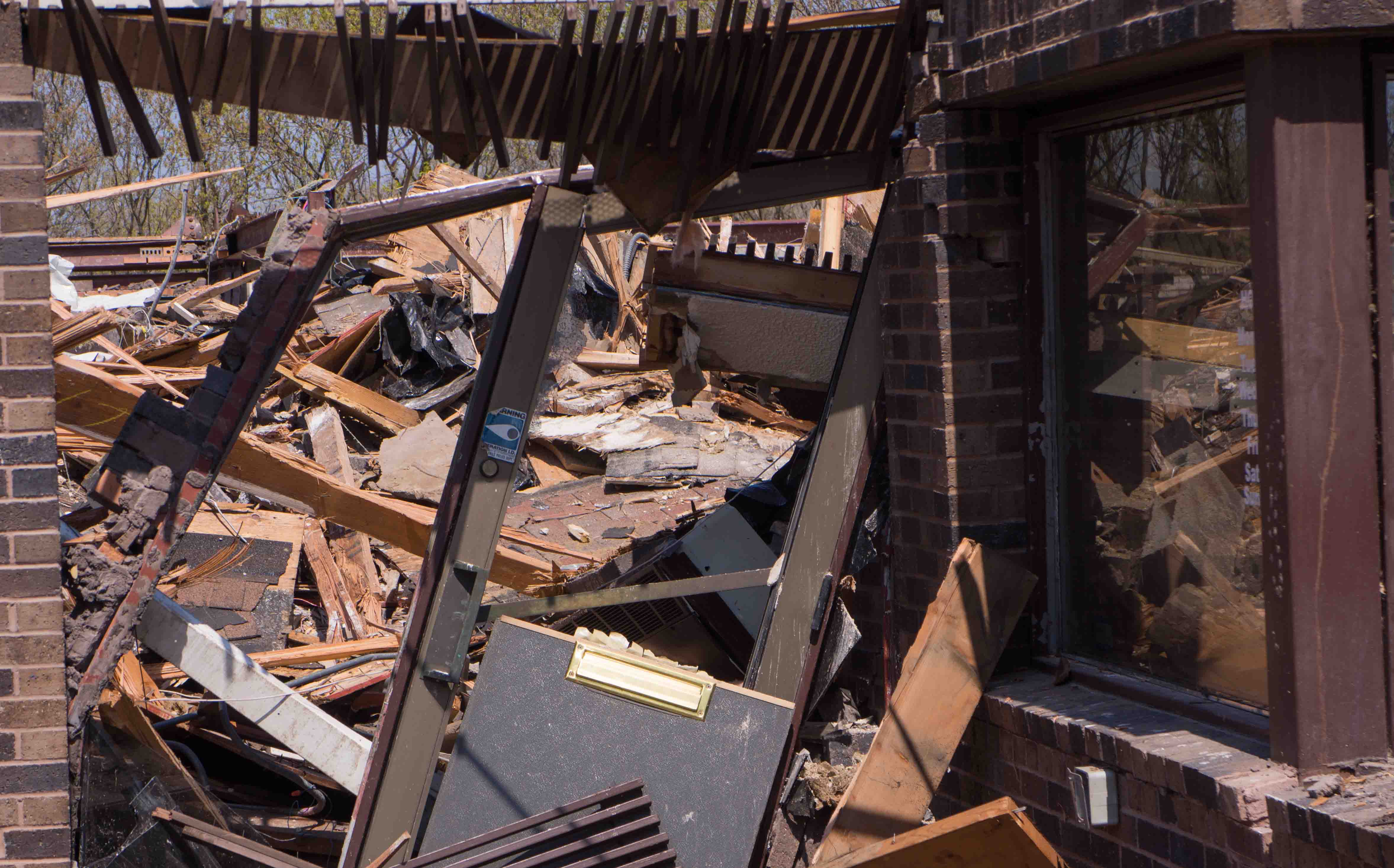
Library, reduced.
We are fans of the library. Specifically, the Ramsey County Library. We order constantly and compulsively. If the Ramsey County Library doesn’t have it, there is the MnLink Gateway, which has access to most everything printed, or so it seems (books printed in Australia are hard to get, but otherwise…).
A year ago, maybe two, the library moved to a more sustainable location and this old building (built in 1969) overlooking a wetland, was sold. It had been a low-slung structure with a 60’s vibe and lots of hard brick surfaces for our kids to bump into. It sort of resembled a mushroom from the outside, but the inside skylights brought in lots of light on sunny days. It was a cheery place where you came to know the librarians by name.

Library archives via Lillie News
Even though much of what I use the library for today is online (that is, ordering books), there is still the showing up to pick up books and the dropping off of (sometimes overdue) books. And the picking up of more books. And in this picking up and dropping off, we see the same librarians and many of the same patrons, again and again. The local library is an honest point of connection.
Though the Arden Hills branch has now been reduced to a pile of rubble, it is hard for me to imagine the local, physical library going away or even dropping in importance as a community meeting point.
###
Images: Kirk Livingston, LillieNews.com
Come as you are
Park right there.

Bring your baggage—your leaky car.
It’s the price we pay to interact.
These catalyzing conversations–they are a privilege.
No matter what happens to the driveway.
###
Image credit: Kirk Livingston

We’re not good with multiple voices
But if top-down communication isn’t working,

People find their voice.
###
Image Credit: Kirk Livingston
Of Trolls and Engineers and Open-Source Dialogue
What will it take to think together?
How hard can it be to learn something from a conversation?
Really hard—if you go against what your audience believes or wants to believe. In Mistakes were made (but not by me), Tavris and Aronson make a compelling case that facts mostly don’t get in our way when we form opinions. In fact, cognitive dissonance feeds our ability to continually spin our decisions in a positive light. So citing facts becomes like hanging paper in a room—I see you pasting it up and already I’ve tuned out the pattern.
Also hard if you fear reprisal for speaking your opinion. Given the troll-mentality that affects the best of us when hidden behind our keyboard, why dare express an unpopular opinion if some sort of flame war results? And yet saying what we think—stating aloud how we read the situation or how we understand something—is key to learning. We need to hear ourselves to begin to see room for change.
Also hard if talking with a monologist who piles on detail. Engineers are not the only ones guilty of this. Many of us forget to pause, take a breath, and check that anyone cares what we are saying. Learning conversations require a bit of white space.
Learning by talking is also hard if hurried—and perhaps this is the most common difficult. Who’s got time for the long conversations that take hours to unwind? Long car trips are great for this. So are camping weekends. Mrs. Kirkistan once described to me a three-month conversation she had with a good friend when they drove to San Francisco for the summer. I was envious.

We all need a guardrail at times
I’ve recently run across a phrase that is new to me but which attracts me very much: deliberative conversations. The phrase seems to suggest a way around the hard bits I’ve described above. This background paper, Deliberative public engagement: nine principles, put out by the National Consumer Council in the UK, seems wildly optimistic about human talk. Take the first three principles:
The process makes a difference
The process is transparent
The process has integrity
And yet, these three, along with the other six principles, describe well the very essence of our best conversations—the ones where we actually learn something, the ones where we change our mind. Shot through this paper is the notion that people need time to sort stuff. And they/we may just need some guidelines to help us move through.
So rather than leaving it at “wildly optimistic,” I might prefer to say, “Yes. These are exactly the requirements each of us has for a truly deliberative, learning conversation.”
Now.
How to make that happen?
###
Image credit: Kirk Livingston
Martin Buber, Jesus and Kim Kardashian walk into a bar
The Sermon on the Stool

“I can’t be your love object, Marty,” said Kardashian.
“How could you be my object?” said Buber. “As far as I know, we’re still all “I-Thou.” Though I will say your Instagram screams “I-it.”
“That’s the spirit, Marty,” said Jesus. “Way to marshal your intent.”
“Bartender—give me a Jägermeister.”
[The End]
###
Image credit: Kirk Livingston

 conversation is an engine