“And the only one with access is me!”
Why you need this Dutch insurance company.
Privacy is something we are keen on giving away.
###
Via Adfreak
Jargon: Just Say No. (DGtC #28)
Make a human happy—speak to be understood
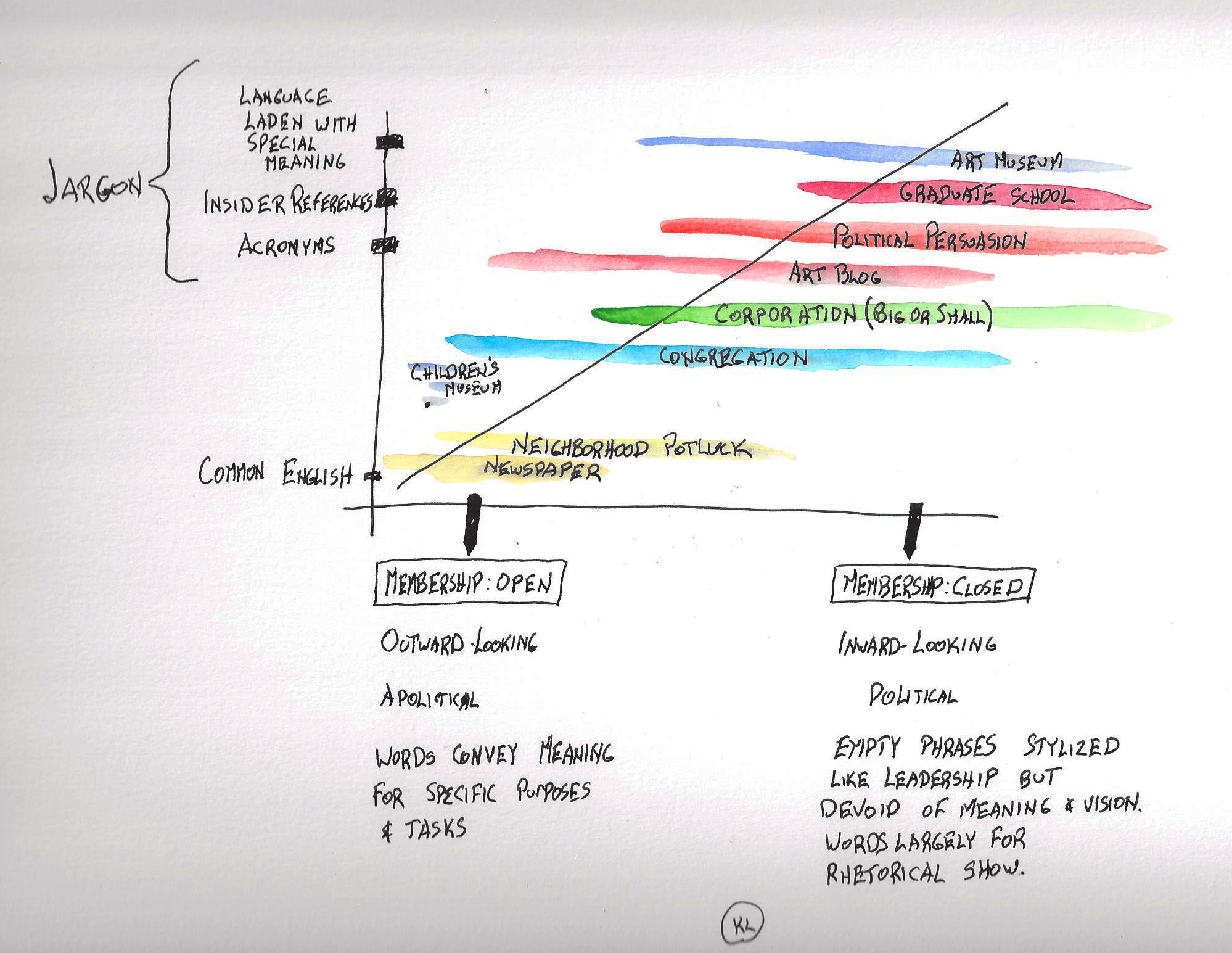
No matter what organization you are in, there are choices to be made about how you talk with the people around you. No matter what gathering you attend, you speak to communicate or you speak to impress.
We’re never rid of rhetorical flourish and persuasive intent, but can we at least work at speaking to be understood?
You don’t have to be obscure, you know—choose your own space on the continuum.
###
Dumb Sketch: Kirk Livingston
Trebor: Proper Mints for Proper People
Still, confession is good for the soul
###
Via the Sell! Sell! Blog (click to check out the other soft mint fever-dream ad)
Note to self: Don’t be (so) boring.
Why do what we do? (Gotta keep asking)
Do something every day.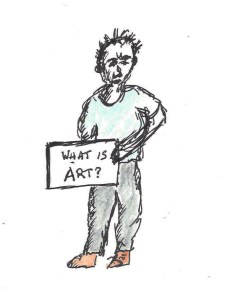
Do that something every day for 30 years.
Has that something lost its freshness?
Over on Dumb Sketch Daily—my ongoing project of learning to see—every once in a while I get caught up with trying to create art. It is almost always a mistake for me to try to create art. I am no artist and the impulse to create art results in weirdly earnest dumb sketches, sort of like a child putting on dad’s tie (do dad’s wear ties these days?) or mom’s high heels.
Still—one must experiment. And that experimentation is good because it draws the questions forward yet again.
Doing something every day, and somehow keeping it fresh, means asking the “Why am I doing this?” that drives the behavior. Yesterday I had to remember that my goal is not to create art. Making art is simply too high and too unrealistic a goal for me. It works for others, and many who comment on that blog and whom I follow are creating honest-to-goodness, bona fide, Grade A art.
Every single day.
But not me.
I’m just trying to see better. That’s a goal and purpose I can rally around. Trying to see how light shines on stuff. Trying to see what a face looks like, the creases, the asymmetry, the tractor beams that shine from eyeballs. Seeing what posture says. Seeing how shadow falls across a 100 year-old building. All of that happens as I try (and mostly fail) to capture real life on paper. The real life happening around me.
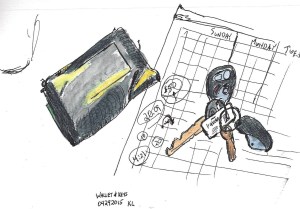
Something good and productive happens with revisiting the “Why?” question. My sense is that if I can be reengaged with the question, and with seeing how it was answered differently today, I may even be less boring. At least for a few moments.
###
Dumb sketches: Kirk Livingston
Welcome to the Arden Hills Library
Despite online, people still gather in physical spaces
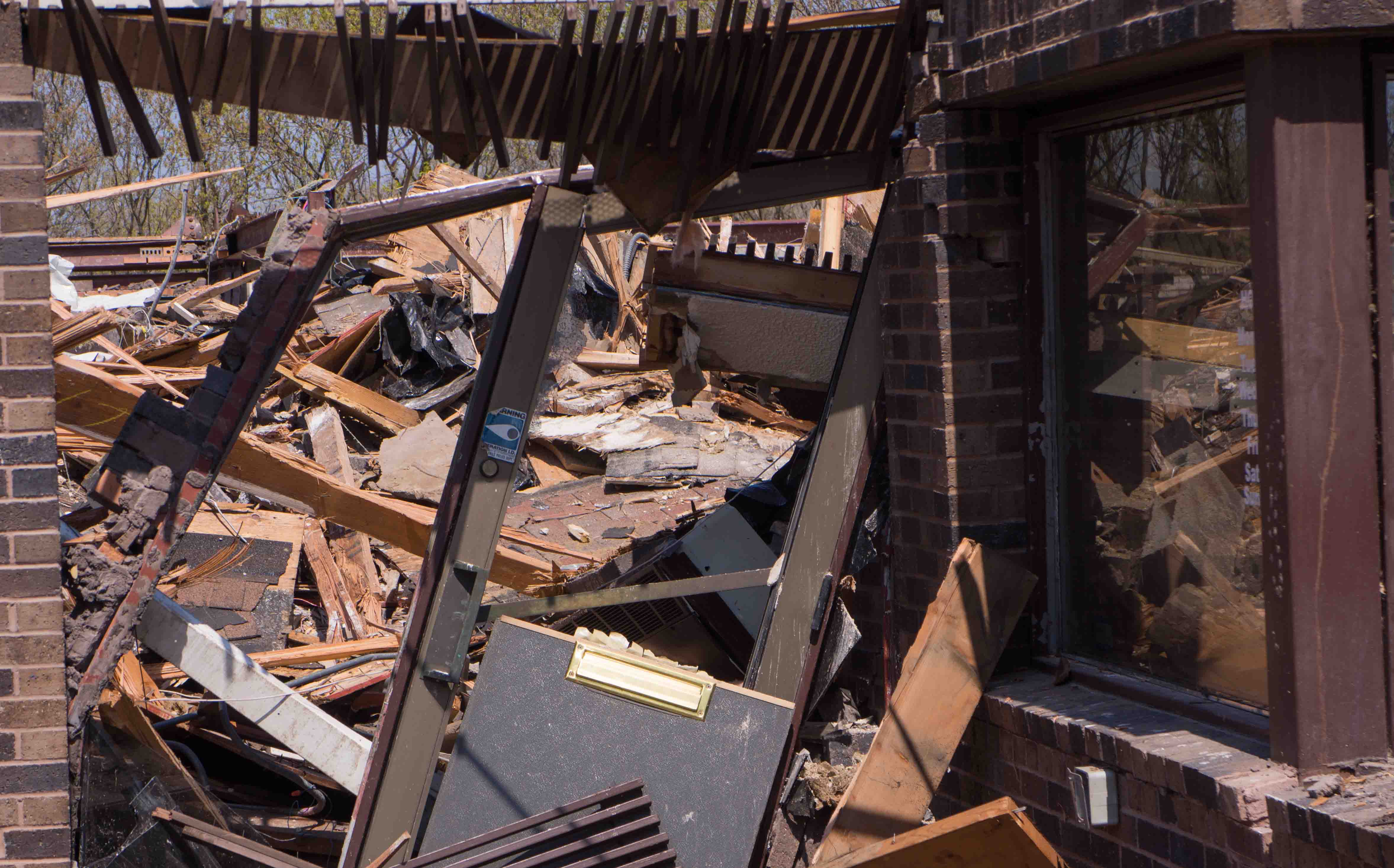
Library, reduced.
We are fans of the library. Specifically, the Ramsey County Library. We order constantly and compulsively. If the Ramsey County Library doesn’t have it, there is the MnLink Gateway, which has access to most everything printed, or so it seems (books printed in Australia are hard to get, but otherwise…).
A year ago, maybe two, the library moved to a more sustainable location and this old building (built in 1969) overlooking a wetland, was sold. It had been a low-slung structure with a 60’s vibe and lots of hard brick surfaces for our kids to bump into. It sort of resembled a mushroom from the outside, but the inside skylights brought in lots of light on sunny days. It was a cheery place where you came to know the librarians by name.
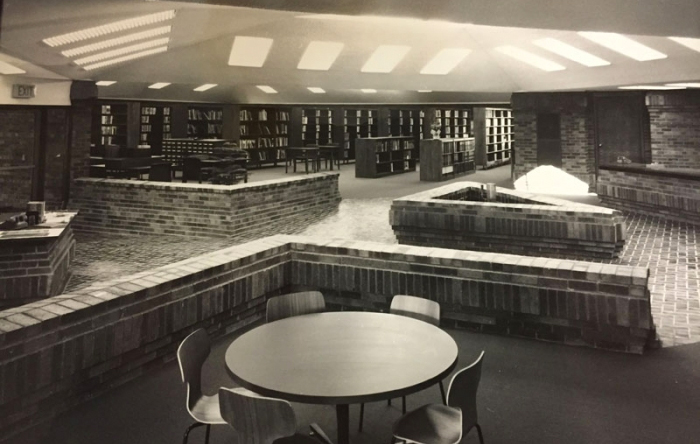
Library archives via Lillie News
Even though much of what I use the library for today is online (that is, ordering books), there is still the showing up to pick up books and the dropping off of (sometimes overdue) books. And the picking up of more books. And in this picking up and dropping off, we see the same librarians and many of the same patrons, again and again. The local library is an honest point of connection.
Though the Arden Hills branch has now been reduced to a pile of rubble, it is hard for me to imagine the local, physical library going away or even dropping in importance as a community meeting point.
###
Images: Kirk Livingston, LillieNews.com
Come as you are
Park right there.

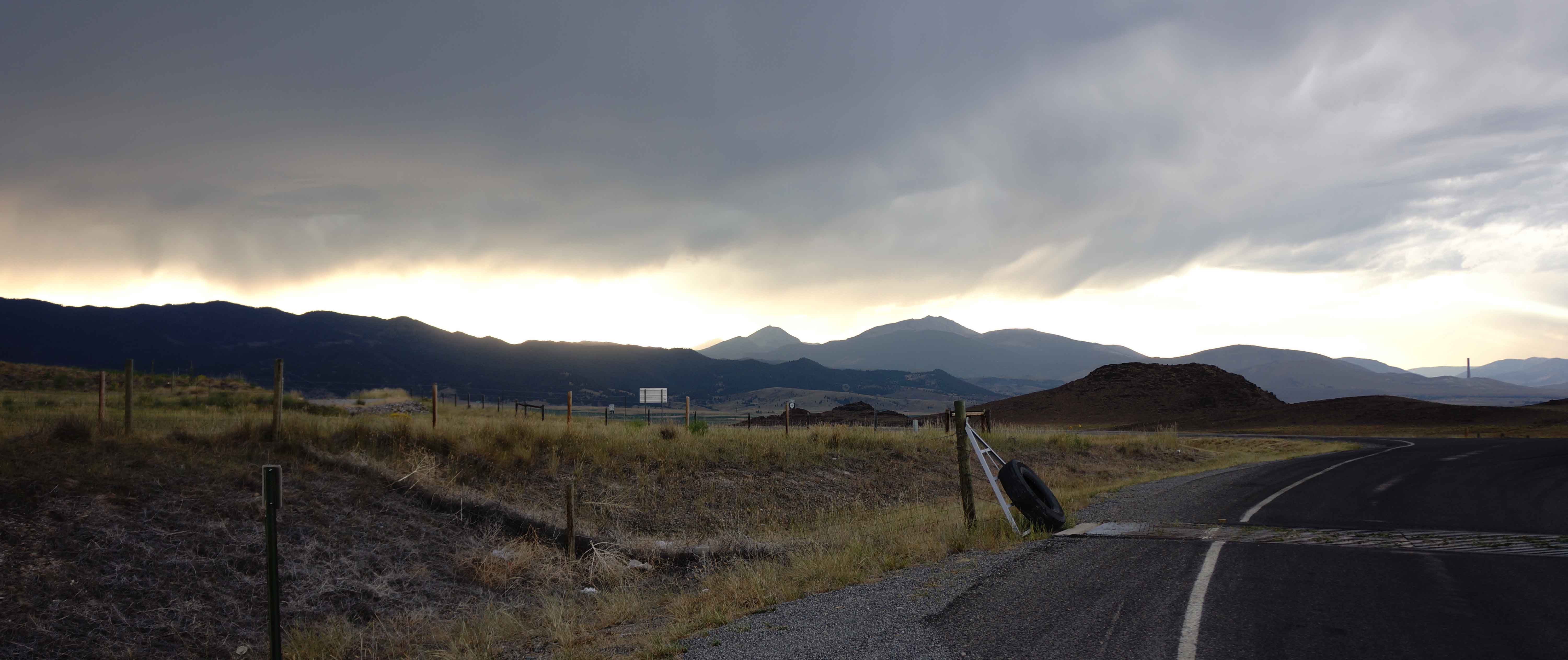
Bring your baggage—your leaky car.
It’s the price we pay to interact.
These catalyzing conversations–they are a privilege.
No matter what happens to the driveway.
###
Image credit: Kirk Livingston

If you say a dumb sketch, will others pay attention?
Engineers aren’t the only ones who love to correct you
I’ve been repeating myself recently to different people and groups within my client’s shop.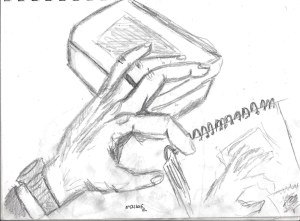
I’ve been saying aloud the oral version of a dumb sketch. I’ve been telling and retelling the story of how I thought one thing but then in conversation with different experts, came to see what I thought was really not so at all, but something different. I know this is terribly abstract and I apologize: We’re working on a new proprietary idea at the moment, so I cannot be too specific.
I thought X was like Y. But it turns out that X is very like Z. And when I tell that story—of trying and failing and trying—my listeners get it. They learn something. They jump to Z and each gets pretty excited about Z—they had not seen Z before. But now that Z is named and out there, Z may just change everything (and not in a breathless marketing-hype way, but really change how people move forward in this particular industry) (Which I cannot name.) (Sorry.) Each mini-audience put the pieces together and then leaps forward in a way my didactic, linear, word-driven paragraphs did not succeed at.
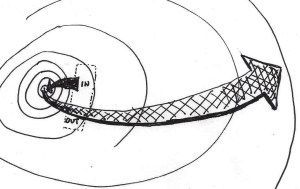 The point of a dumb sketch is to be not-finished. A sketch is the opposite of the heavily produced diagram or slide. The “unfinishedness” of a sketch is the very crux of usefulness as a communication tool. By being unfinished, the sketch invites collaboration and improvement. And people seem to not be able to turn away—at least from the oral version. Failure is built right into my story, and who can resist gawking at a car wreck?
Maybe this is an engine behind John Stepper’s notion of “working out loud.” Maybe this is a key to how we collaborate with each other. We already do this with friends and family, but what if we extend our try-fail-try circle to include many others?
###
Dumb sketches: Kirk Livingston

 conversation is an engine