Posts Tagged ‘Marilyn Chandler McEntyre’
Words Work as Stepping-Stones
“…Words work as stepping-stones through confusion to resolution.” — Marilyn Chandler McEntyre in Caring for Words in a Culture of Lies
 This happens in ordinary conversation: I start my explanation with one set of words and end up in quite another place. Often the conversation takes me from confusion to resolution. But more often I come to the end of what I’d never planned on saying with a new insight or a new question that needs answering (if only in my own mind).
But Marilyn Chandler McEntyre was actually talking about the way prayer works in the above quote. She had been quoting a poem by Gerald Manly Hopkins. Here’s how she finished the quote:
“What begins as argument ends in an act of vulnerability and self-yielding. The words we encounter along the way [from GHM’s poem]—just, contend, plead, disappoint, friend—offer stopping points for reflection upon our paradoxical situation before God: familiar and strange, bound by law and freed by grace, fulfilling and frustrating, longing satisfied.”
I had not been familiar with Hopkins’ poem. But the words I encounter in the Psalms offer movement from argument to self-yielding with stopping points for reflection—and the entire Psalter functions like a bolus of spot-on conversation.
###
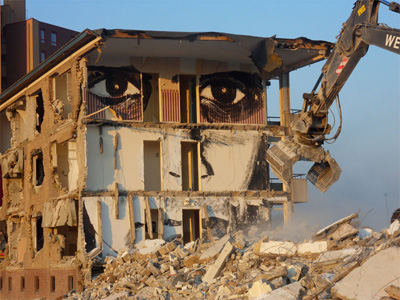
Image via 2headedsnake: Cem Ulucan
Tell me a threshold story
a story can spawn a conversation
In her excellent Caring for Words in a Culture of Lies, Marilyn Chandler McEntyre wrote of a text as a place or a space to be entered. She wrote of entering the antebellum world of Gone with the Wind, or the restful city of Rivendell or the caves of Moria:
“When we enter a story, we leave something behind. We suspend disbelief, abandon the social contract that normally binds us and adopt a new one. We consent to the terms of the story, navigate its spaces…. “(72)
I’ve taken to heart (and begun to practice) the sharing of threshold stories when I teach. My hope is the story will help us capture that sense of “entering a space” though it is a discussion-space rather than a story. Sharing some story that helps us cross a threshold, that presents a wider or longer horizon than any of us had before class and so hints at what could be—that is the goal.
The best stories give a bit of information and also elicit a visceral reaction. A couple days ago I used this old commercial in my writing for organizations class. It became a threshold story as we talked about how best to prepare for writing. Many students—laboring to write papers they may or may not be interested in—do the least the assignment requires. But doing the least is not rewarded when working for clients. There is a lot to say about chumming the waters (with information and purpose/audience thinking) to come up with really good ideas. Threshold stories can also play a huge role in our regular conversations. A good story can open warehouses of good conversation.
What threshold story have you heard recently?
###
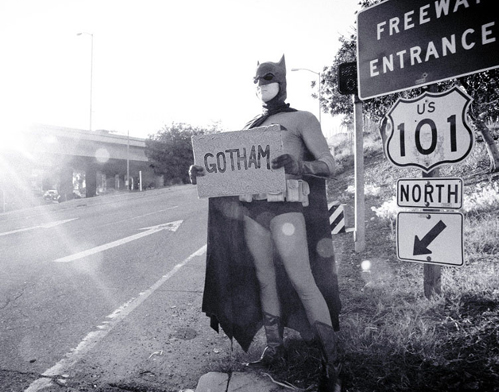
Image: Thisisn’thappiness

 conversation is an engine