Is it Time You Wrote Your Autobiography?
I’m not writing one. Then again, who isn’t adding to their autobiographical material daily, whether with words or deeds?
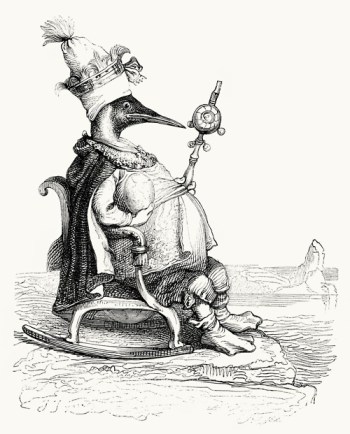
but surely I am king of something
I’ve been reading the autobiography of R.G Collingwood, an Oxford philosophy professor of the last century. He set out to trace the outline of how he came to think—a kind of personal intellectual history. Early on in his life (at 8 years old) he found himself sitting with a philosophy text (Kant’s Theory of Ethics). And while he did not understand it, he felt an intense excitement as he read it. “I felt that things of the highest importance were being said about matters of the utmost urgency: things which at all costs I must understand.” (3) That reading set one course for his life.
One thing that makes this book worth reading is his notion of how questions and answers frame our production of knowledge. Collingwood said he “revolted against the current logical theories.” (30) He rebelled against the tyranny of propositions, judgments and statements as basic units of knowledge. He thought that you cannot come to understand what another person means by simply studying his or her spoken or written words. Instead, you need to know what question that person was asking. Because what that person speaks or writes will be directly related to the question she or he has in mind. This is incredibly useful when studying ancient texts—like a letter from the Apostle Paul, for instance. It’s also incredibly useful when listening to one’s wife (ahem), or a student or to anyone we come in contact with.
Another thing that recommends this book is hearing him tell about his main hobby: archaeology. Collingwood was the opposite of a couch potato. He spent a lot of times in digs around the UK, unearthing old Roman structures and then writing about them. Here too, he explained that while some archaeologists just set out to dig, he only set out to dig when he had formed a precise question to answer. His digging (tools, methods, approach) were all shaped by this question. By starting with a question, he came to very specific answers and, of course, other brand new questions.
Questions begat answers. And more questions.
What question is your life answering?
###
Image credit: J-J. Grandville via OBI Scrapbook Blog

 conversation is an engine
Fascinating idea for a autobiography. The notion of ‘excitement despite the lack of understanding’ is something I experience often — even as an adult. There’s so much knowledge in this world, it’s a real shame some people give up on learning and stop asking “Why? Why? Why!?”
massiveaudience
May 18, 2012 at 11:16 am
Thanks for the comment–and I say amen. Sometimes words work in us when we don’t even realize, long before we understand. And that’s helpful, moving us to keep asking our questions.
kirkistan
May 18, 2012 at 11:24 am
… [Trackback]…
[…] Read More: livingstoncontent.com/2012/05/18/is-it-time-your-wrote-your-autobiography/ […]…
My Homepage
May 23, 2012 at 10:41 pm
[…] leadership looks for game-changing questions. And those questions come from anywhere—from up, down or outside the organization. It is these questions we’ve not yet addressed that […]
Asking New Questions: the Shropshire Iron Bridge « conversation is an engine
September 28, 2012 at 8:54 am