Archive for the ‘art and work’ Category
Copywriting Tip #3: Words + Images (Think Visually)
How To Think Visually?
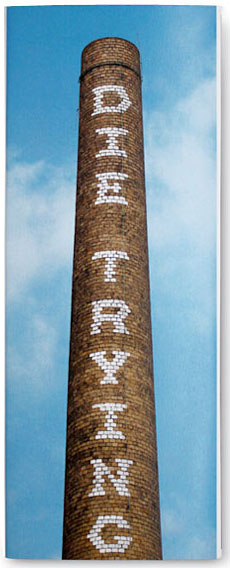
Exhaust your brain with mad thinking not lazy searching
Thinking visually and combining words and images is something of a kaleidoscope experience. Especially for the English major. These folks love words and regularly ask them to leap and dance and bite and romance. English majors have been going steady with words for years. I’m asking these people to see others—but it’s not about two-timing your fascinating Helvetica friends. Just add an image to the mix and step back: did the image just comment on the words—or vice versa? Did the words explain the image? Or did the words supply a subtle subtext that subverted the image? Or vice-versa? Now we’re spinning the kaleidoscope and it is all sorts of (kinda nerdy) fun.
Hint: Don’t Start With The Google Machine.
The temptation is to type your first thought into the search bar and see what images pop. This lazy approach will be at least mildly amusing and completely distracting for the next 73 minutes. There is a more productive way to begin: pen and paper. Any number of artists and writers will tell you that working through potential ideas in the isolation of a blank page helps you focus. The drill is to do it again and again. Page after page. Hour after hour. Until you can’t stand it anymore. From all that terrible, worthless dreck that you would never show your mother let alone the cute human in your Classics class, pick the two or possibly three that don’t make you wretch. That are kinda ok. Google those.
The key is to get your brain working and keep it working long enough that your subconscious takes up the project, freeing you to walk around the lake or pull a prank on your roommate.
You will produce something in this manner.
Try it and tell me if it worked.
###
Image credit: Maximum stacks/Creative Review via thisisn’thappiness
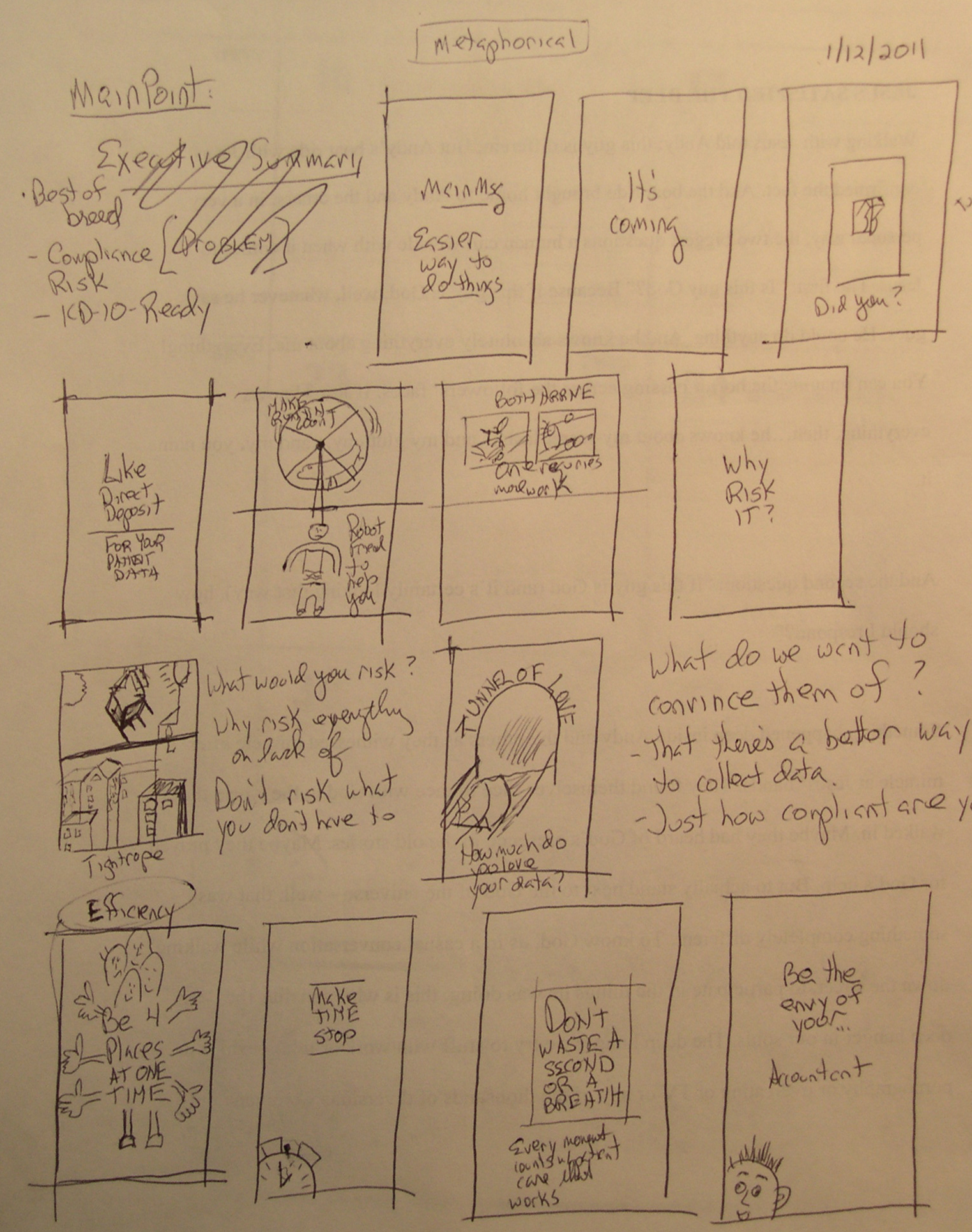
Below: dreck. Maybe an ad came from it. Maybe not.
Wait for It (And Resist Checking Your Phone)—Dummy’s Guide to Conversation #8
Anyone who writes for a living or who must regularly produce creative solutions knows the best ideas are typically not the first ideas.
I’m about to begin teaching a freelance copywriting class at Northwestern College and I’m guessing there will be some who will submit copy they’ve done at the last minute: something thrown together to meet the assignment requirements, but just barely.

don’t rush me
I hope college students don’t remember college as the place where they learned to do the least at the last minute to see how much they can get away with. This is not a great attitude to take into the workplace. And it is a fatal if you work on your own, because it leeches craftsmanship (and joy) from the work itself. And craftsmanship—care for the work itself—is one of two key elements in meaningful work. The other element is learning how to serve someone else’s needs and finally get over yourself.
When I brainstorm for an ad or a bit of copy I fill up pages and pages with pure dreck. Worthless stuff that only serves to get my keyboard moving. And then, at some point, one bit of dreck solidifies into a line that is sort of ok. Or a direction that makes sense. But that only comes after the pages of dreck. Occasionally it comes first, but I need the pages of dreck to help me realize any possible or potential brilliance.
How does that work in conversations? Same way. The first stuff we way say is obvious and not that interesting. The first conversations of a cross-country car trip have a vanilla flavor. But by the time you’ve arrived at New York to catch a flight to Europe, you know the deep hurts and high joys of everyone in your car, and you’ve somehow settled on a series of jokes about fast food restaurants or particular car types that leave you all gasping for air because they are so funny. It takes time and sustained attention to get to that place where the good stuff comes out. It’s almost like you invent the context for familiarity as you go.
This is the way for lots of satisfying things. And it is the way for ordinary conversations. I’m learning to dwell in a conversation. To not rush it. To give myself and other space to breathe so that they (and I) feel free to let come what may. And that can be uncomfortable because silence is awkward for us. Soap opera stars lock their eyes in those silences. In a cross-country car ride you look out the window. In a conversation, you just…look…and wait. But the silence works to lube thoughts. Resist the urge to move to the next thing. Resist the urge to pull out your phone. Wait for it. Because eventually something will come along that changes everything.
###
Image Credit: Langdon Graves via thisisn’thappiness
Fear as a Communication Tool: Hearty and Cruel Visuals
The Truth in Consequences
Ouch.
Today in class we talk about visuals and how to use them. Graphs, charts, line drawings, photographs—all the stuff we see every day in our media excursions. As a copywriter I am very fond of visuals: I love the way they succinctly tell the story I labor to explain with words.
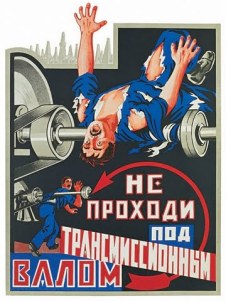
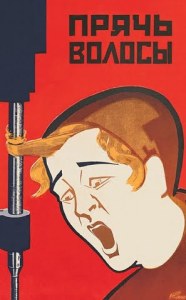
But there is a genre of images we shy away from—images entirely out of sync with the pleasant, positive, climate-controlled and safe communication we aim for. These images follow the shock and awe tactics of the Brothers Grimm: show what happens when you don’t follow our rules. Things just may not turn out so well, Mister.

Bam!
You don’t need to know Russian to see that you really should be careful around turning axles, backing train cars and the odd drill press. And it was not so long ago in our country that we showed our youngsters exactly what might happen with their lively hijinks.
Pow!
But maybe we’ve gone too far with our de-linking of action and consequence. When writing copy I rarely name the negative side of things. Instead, I always build on the positive. Maybe we could all use a bit of that Russian backbone.

Not again!
###
Image Credit: Soviet Posters via Copyranter. Vintage safety manual via Retronaut.
The Important Thing is to Produce
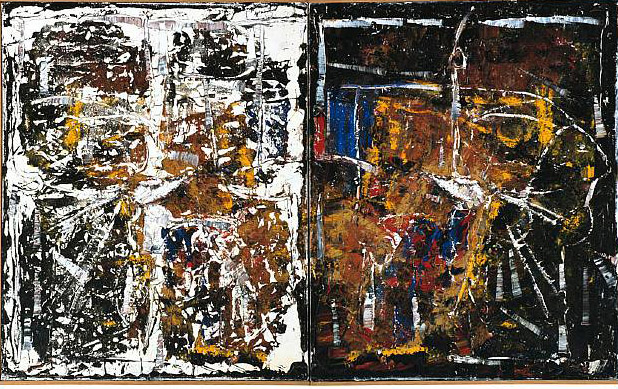
“The important thing is to produce. For instance, if someone asked me why I sketched 2000 owls, I would answer that it was to produce 10 lithos. But what really interests me is to have produced the 2000 owls.”
Jean-Paul Riopelle
###
Try this: Be Ionic, Iconic and Ironic
Disturb Someone Today

The Minneapolis Institute of Arts manages to be ionic (columns), iconic (yes, the columns again) and ironic (colors on columns--really?)
It’s all in the mix. Start with an ancient form: a note, a letter. A poem. An email? Get the form just right and let it carry all it was meant to carry. Then bring it into today with an element that steps outside that form. The MIA does it with colored lights on the ionic pillars with are also iconic. Is the result beautiful? Not exactly. Several of us have thought a lot about whether those lights are right or wrong. We decided they are ironic.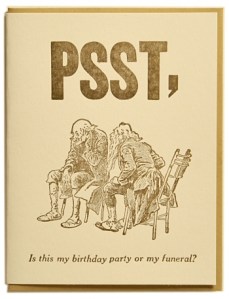
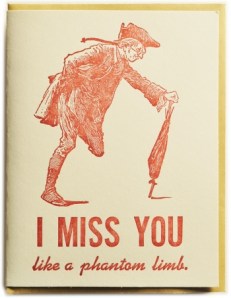
That’s why I’m so fond of the cards turned out by Zeichen press. Old form. Old cold type. I’ve worked with quoins and frames and rollers that spread ink across a platen. Everything about the process shouts “old.” But the messages are anything but old. Their cards disturb even as they console or encourage.
How can you disturb someone’s attention by mixing up an old form with something of today?
###
David Lynch, Creepy Coffee and the Power of Suggestion
Your slowest four minutes today
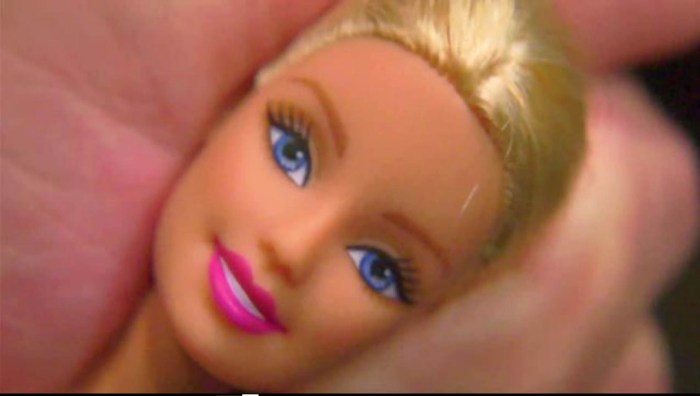
Just stand me in a cup, please.
David Lynch, as famous for swearing off marketing (literally!) as he is for making powerfully unsettling films, has his own coffee brand. His marketing is, well, unsettling. But it is marketing (proof: I’m passing it on. Oy! I’ve fallen for his demented plan.)
A couple days ago I wrote about how the power of suggestion helps my audience show me mercy as I show them my dumb sketches even as they fill in the blanks with their own story. It’s the power of suggestion: we cannot help but begin a story with every image we see. Writers have known this for years: using certain words and phrases that hint at something much more ominous (or much more glorious) without actually saying it. Copywriters love this tool.
In this slow-moving commercial, listen for the pauses even as you listen for the words. I found myself remembering from the video how much Barbie seemed to like me (especially ~ 1:50). Then I remembered BARBIE IS A DISEMBODIED HEAD WITH DAVID LYNCH’S VOICE.
Where and how have you been affected by the power of suggestion?
###

 conversation is an engine