Archive for the ‘texts’ Category
What do your interruptions say?
What are you listening for?
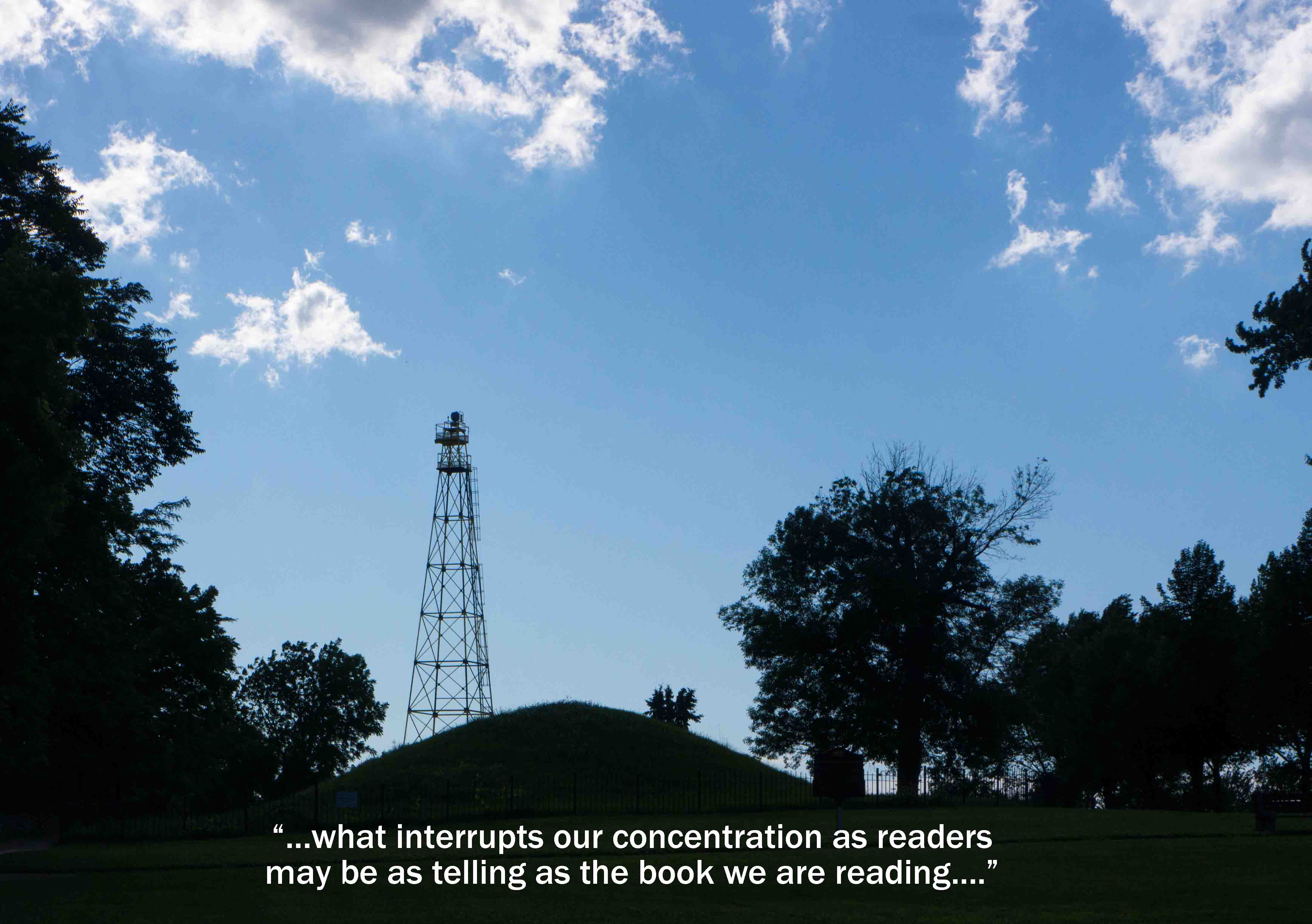
–Adam Phillips, Becoming Freud: The Making of a Psychoanalyst (New Haven: Yale University Press, 2014) 10
###
Image Credit: Kirk Livingston
Writing finds its own audience
Except: Even God had a hard time holding an audience for long
My cousin is a big cheese in the world of women’s studies. She’s published a number of books and teaches some pretty astute, high-level stuff to aspiring Ph.Ds. Once we talked about why anyone would write and what’s the point, after all, since fewer and fewer read. (By the way: I always say this to my classes, that even a paragraph of copy scares many of us. All those words, they’re just, well, so much work.)
My cousin said something to the effect that you’ve got to believe your writing will find its own audience. That is a perceptive statement and I’ve wrestled with it since. I think it is true. I hope it is true. And I know it is false—at least immediately.

Meh. Another Sunset.
Social technologies and search let more of us find our long-lost cousins and brothers and tribesmen—the ones we never knew existed. We find them because they speak our language, possibly with our own words. And we know them because they are passionate about our topics—the stuff we think on constantly. (“You write about garlic butter too? You are my brother!”)
It’s just that it may take a long, long time for that audience to co-locate to your web address or your part of the bookshelf. Of course we hear and read stories of the overnight success folks, who start a blog on Saturday and by Tuesday they are talking with Oprah. But for more of us, we tell our stories and organize our arguments and spin them out into silence. But we must continue on with diligence, continuing to tell the story, as if keeping the porch light on, waiting for that audience to show.
There’s an old story about God giving his words to a guy and telling him to say the words. But know that no one will listen—you’ll be banging your head against a brick wall most of the time. And it’s all going to end badly. But those words will take root. And those words will blossom.
Eventually.
And over time the audience did show up.
And we’re still reading those words today, lo, these thousands of years later.
###
Image credit: Kirk Livingston
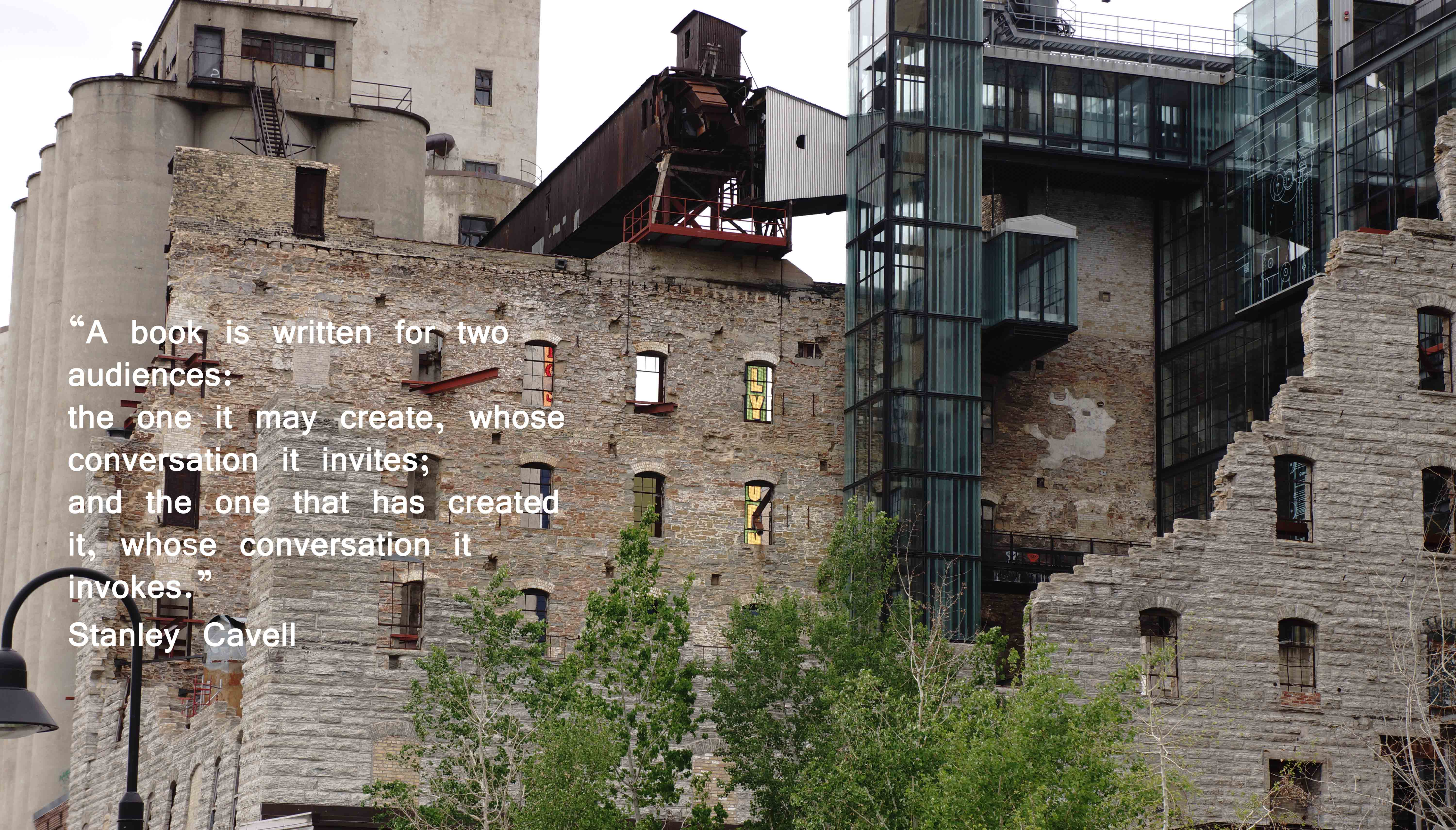
What happens when we say stuff?
An Epistemology of Writing
I just realized I run my college writing courses in ways possibly dissimilar to how others do it. We have texts, of course, and readings. We have my dry lectures, which I try to turn to discussion (with limited success). We have examples of excellent copywriting and we talk about why they work and when they don’t. We have questions. We have answers (some from me, many from the class). We have cordial fights and the occasional snark (more remains unsaid, I think). We have yawns and longing looks at the clock.
And we have assignments.
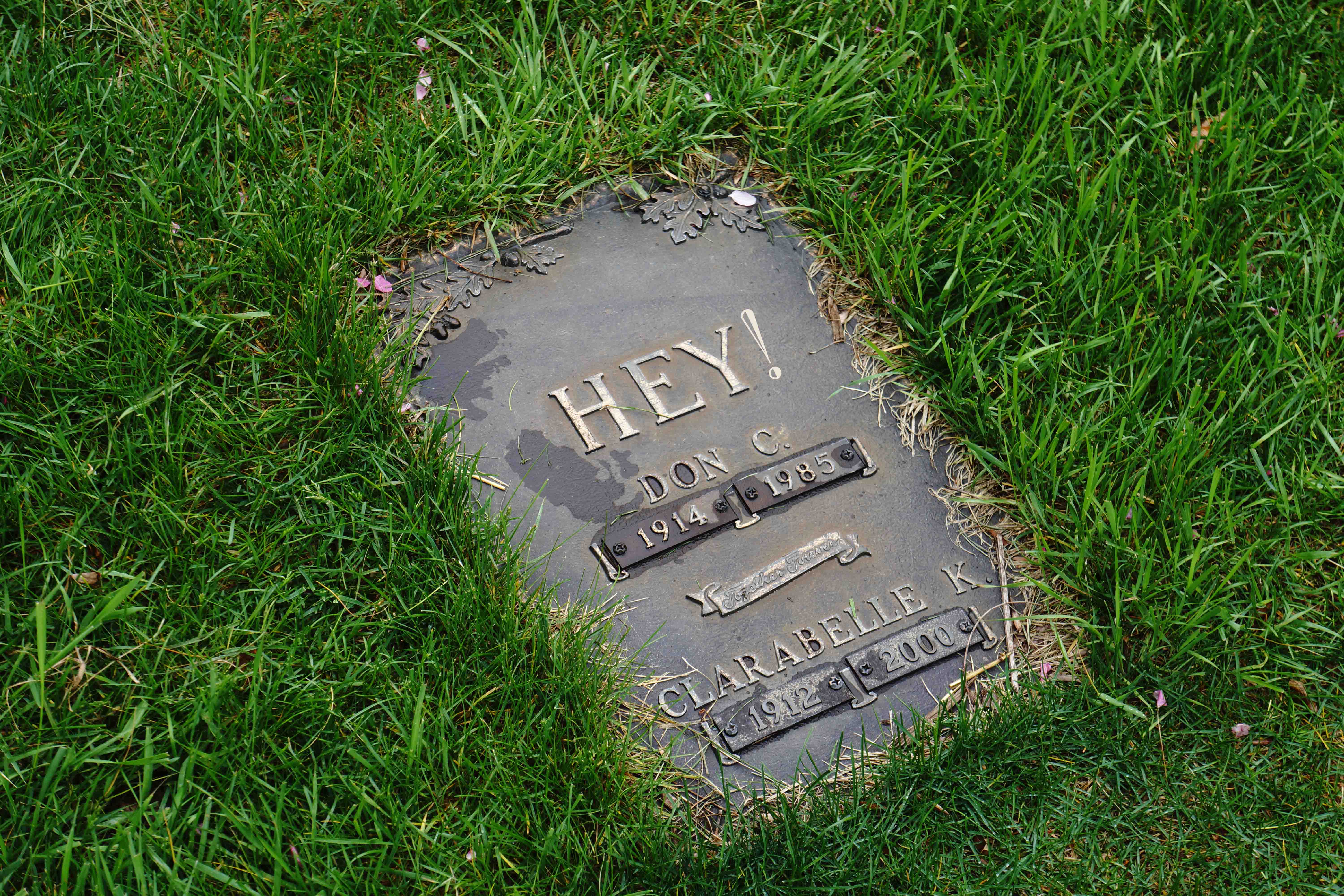
You have my attention.
A portfolio addition due ever Saturday night, five minutes before the stroke of midnight. Way to ruin a perfectly good weekend, right? (Ahem: for the record, one need not wait to start an assignment until 10pm on Saturday night).
It’s the assignments—these portfolio additions—that are the real teachers. I try to direct. I try to offer my small ways of thinking, but the real work of this education happens deep in a student’s brain pain: where sparks fly and catch the dry tinder of panic: “What do I say—and how?”
So it has always been with me: I learn as I write. I often don’t know what I think until I write it. Or say it. Just ask Mrs. Kirkistan. But when I research a topic and begin writing about it, all sorts of synapses fire and connections meet and angels sing and the sun shines on my keyboard, where doves and baby deer have collected. Especially after three cups of coffee.
And this is what I depend on in my class: that the threads of our discussion will come together in the doing thereof—the writing of copy. This capturing of a brand, or a dream. The useful words that direct and possibly encourage as they launch into a reader’s mind.
But this: just doing an assignment dampens the angels singing. This class is less about getting my grade and approval and more about creating something you will proudly show to Ms. Creative Director or Mr. Small Business Owner who can hire your magic for their capitalistic endeavors. I can already see those who get this concept. Their work shows it.
Bless them.
And bless all the rest of us, too.
###
Image credit: Kirk Livingston
Turn Your Message Away.
What might happen if you spun your story outward?

###
Image Credit: Kirk Livingston
To My Friends Who Have Abandoned Faith
Kathleen Norris: Acedia and Me
If you’ve been turned off by the excesses of evangelicalism or the big-business, industrial mindset of a megachurch, or if you’ve become weary of a clergy-centric approach to faith, or if you are tired of trite, pat answer to life’s really thorny questions, consider reading Kathleen Norris’ Acedia and Me: A Marriage, Monks, and a Writer’s Life (NY: Riverhead books, 2008).
If you’ve turned your back on faith entirely and see no point in going back to the social club that seemed to promise transcendence, especially then, read Acedia and Me. If you’ve become weary of the automatic linkage between Republicanism and Christianity, well Kathleen Norris does not speak to that sorrow. But, patience: within a generation that unfortunate concatenation will be far less automatic.
Kathleen Norris is an engaging writer who addresses the life of one’s spirit wholly without the overweening sentimentality that usually comes with such discussions. Ms. Norris sought answers from an unlikely set of conversation partners: old dead guys who wrote when people could count the centuries on two hands or even one. Many of these old desert monks had abandoned the newly popular, powerful, and politically-connected church. Instead they sought the quiet of the desert to confront their demons.
Acedia, which is perhaps the heart of Ms. Norris’ book, is not easily translated. Some read it as depression. Some read it as sloth or boredom or torpor. Ms. Norris traces the word through the ups and downs of her own life as a writer. Her own marriage is a key player in the story and she seems to hold little back in illustrating her struggle.
I was particularly taken with her definition of sin, which had less to do with breaking a set of rules and more to do with recognizing that people are made in the image of God and there is something hopeful and fetching about aligning one’s direction to recognize that.
In the end, she has a fresh take on one’s faith. You may agree. You may disagree. But you’ll be engaged. And better yet, you may even hold off from tossing everything over.
###
Image credit: Kirk Livingston
Groundswell: Your Moment Has Passed.
So 2008.
I’m done with Groundswell.
Oh, I like the book. A lot. And the argument for an empowered people (via social technologies) continues to make excellent sense. Li and Bernoff did a great service by gathering facts and stories into a rational retelling of where we are today with hearing and connecting en masse.
When I first read Groundswell, emotive moments of recognition flickered constantly. Li and Bernoff led the way in helping me understand this unfolding opportunity lodged in my computer. But those moments are not just in my computer any more. They are on my phone, in my pocket and before my eyes as I walk.
It’s the ubiquity of the opportunity that makes everything look different.
Students in my class assume forums for support will be available, they turn to product and service reviews first—why wouldn’t they? Reviews from peers have always been available. These self-proclaimed 90s kids (I guess that’s a thing) interact in most of the ways that Li and Bernoff predicted. So there are few emotive flickers from them even as I shout “Yes!” (possibly to their “Huh?” and amusement). And these students demonstrate a familiarity with technology far advanced from students even two years ago.
So…wheels turn and time goes on and books fade to triviality. I’ll suppose I’ll check out Empowered next time I teach this class. The last thing anybody needs is another old guy in their life telling how things used to be.
And this: the Groundswell moment just passed has opened on a much wider vista that seems to invite collaboration like never before. To not listen to each other is starting to feel like a cardinal sin. Not because it dishonors the human condition (which it does) but because the opportunities in working together are beginning to look massive.
###
Lou Gelfand: No More Complaints
How do you love an impossible task?
In darker moments I wonder what good lies in all the words produced, day after day—especially my own words. But if words serve only to remind or tell again the story of a bright spot someone saw, then maybe that is enough. Because bright spots shine a bit of hope.
Lou Gelfand was a bright spot for me.
I am a casual newspaper reader. I read the StarTribune and various news sources on-line. But the StarTribune has been my go-to, privileged (and sometimes angering) source for many years. Lou Gelfand was the long-suffering ombudsman/readers’ representative. For nearly 23 years he listened to complaints and reader’s rants and charges of bias (a countless number, surely). And then he calmly worked it out with words on paper.
Mr. Gelfand’s “If You Ran the Newspaper” columns were a must-read for me because he seemed fearless in taking colleagues and readers and the process itself to task. He aimed for resolution and made everyone mad as he did it. But there was something satisfying in his assessments. His words produced a sort of end-game where conflict and anger were addressed, if not always resolved.
Here’s Mike Meyers, former Strib reporter and friend of Gelfand, on the mood created by Mr. Gelfand’s assessments:
“He was a guy who often ate alone in the cafeteria because reporters were so damned thin-skinned,” Meyers said.
Mr. Gelfand was a kind of pivot point between audience and the communication machinery that was the daily newspaper. It was a no-win position from the beginning—an impossible assignment—which Mr. Gelfand moved forward with aplomb, sympathy and spirit.
His son called him “relentlessly fair” and Gelfand surveyed his own columns and found he split about evenly between backing the paper and the complaining readers.
Read Mr. Gelfand’s obituary here.
###
Image Credit: via Frank T Zumbachs Mysterious World

 conversation is an engine