Posts Tagged ‘photography’
The Sun is a Mass of Incandescent Gas
But sometimes it looks like a candy.

The sun, ladies and gentlemen.
###
Image Credit: Kirk Livingston

Best Case: Stable Health + Quick Decline + Death
Reading Atul Gawande’s “Being Mortal”
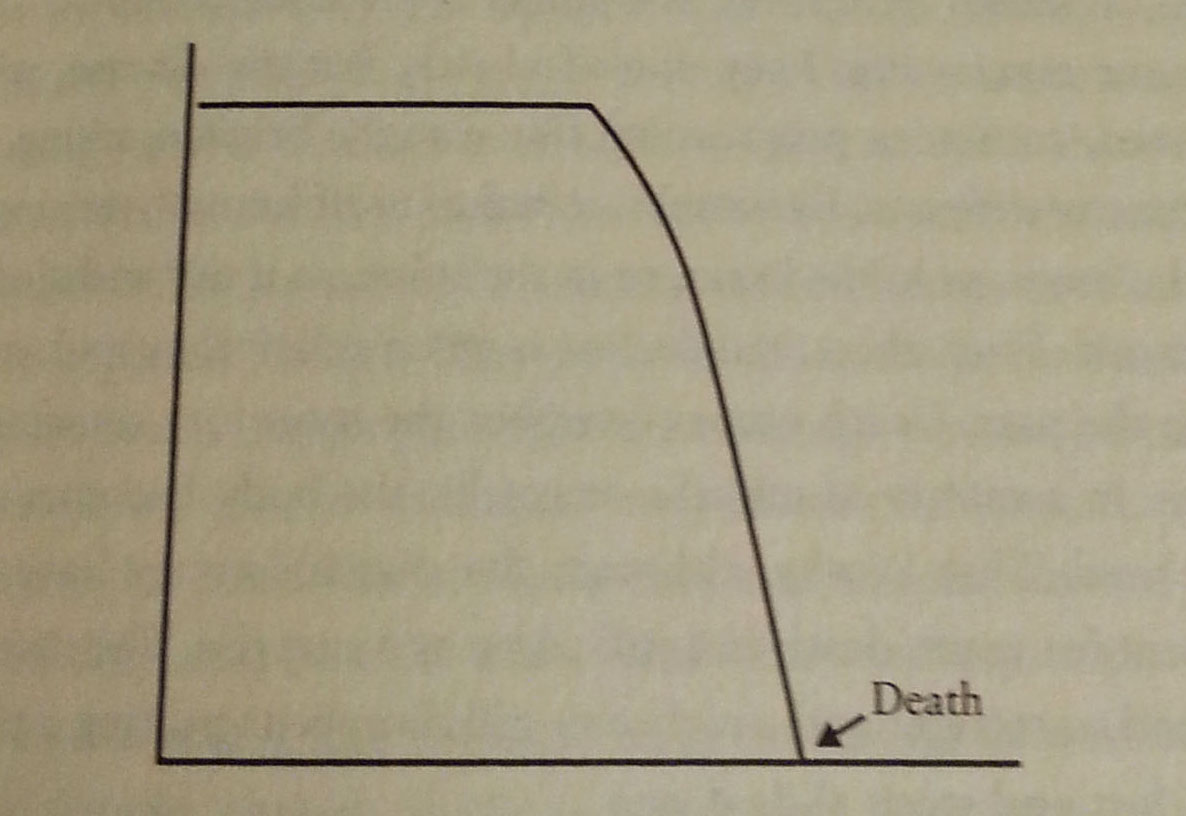
Another happy illustration from Atul Gawande’s “Being Mortal.”
Mr. Gawande is a surgeon and medical professor and writer for The New Yorker. His recent Being Mortal is a long conversation about how humans face death. Or, more to the point, how medicine and our own optimism interact to keep us from planning for this known, finite end.
This is not something you think about at 18 or 28. But it is a wedge topic that soon starts to butt into life. At some point you notice aging people appearing all around you. And then you do the math and start to think you may be aging as well—though we’re all hard pressed to say where the time has gone. Like a favorite, recently-passed in-law said not so long ago, “In my mind, I’m still 18.” No one agrees to aging and few self-select as “old.”
Still, there is this inevitable endpoint.
Mr. Gawande’s book does the reader a favor by naming the moving parts of this process. That is, the slower and slower moving parts. From the shrinkage of the brain to why it is that older people seem to choke more to the insult of not driving to the big fear of dementia. One of my favorite characters in the book is the groundbreaking geriatric physician/researcher who was active until he, well, became old. And then, in a clear-eyed fashion, detailed his decline, his motivations with caring for his wife of 70 years who became blind then deaf, and then broke her ankles. It’s a happy/sad love story of a couple who were active into their 90s.
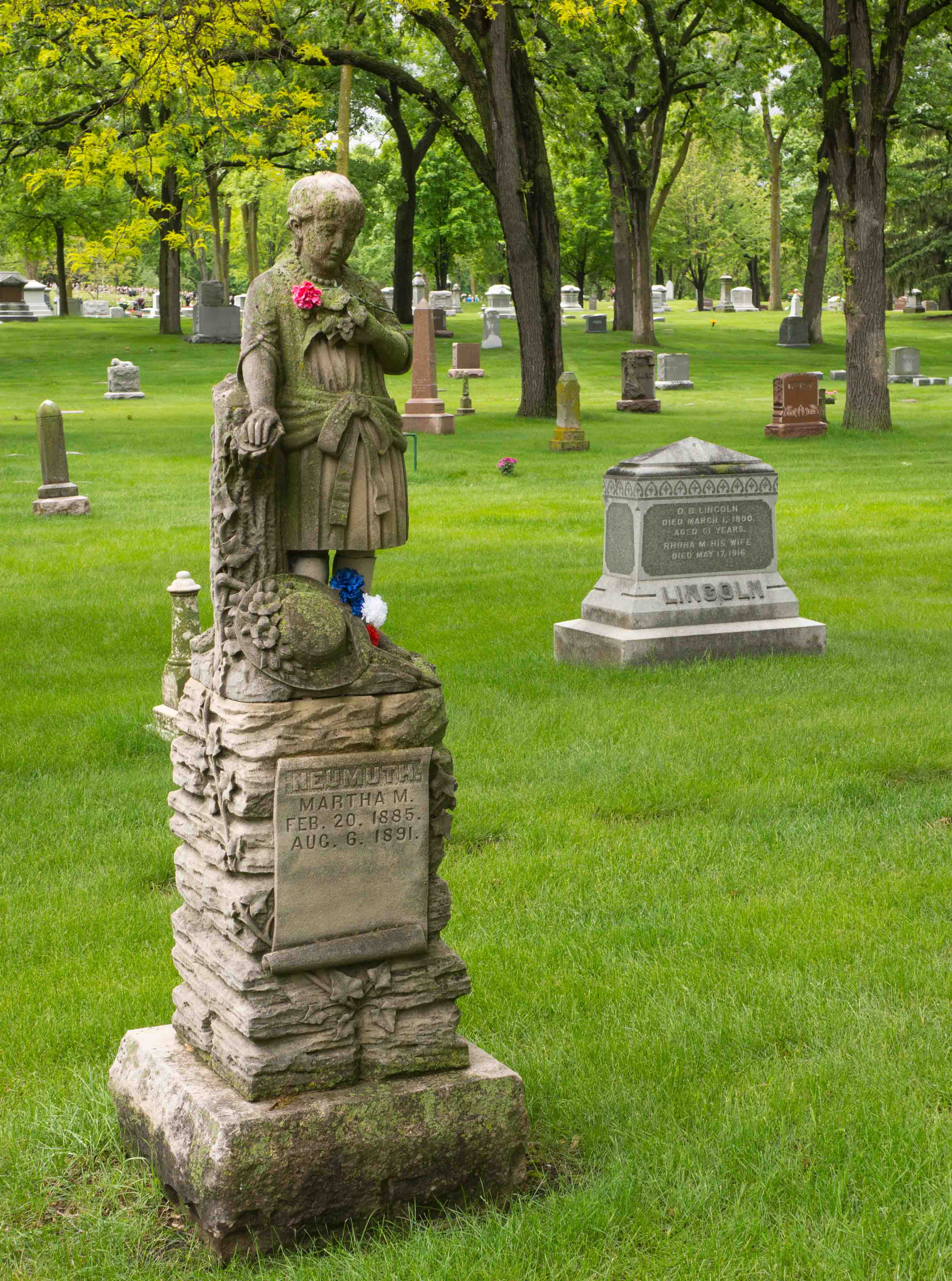 As a believer in the God who resurrects, I do not think of death as final. But as aging continues (which I don’t feel but suppose is acting on me even now), my reading of the gospels and prophets and psalms finds me looking for clues that point beyond what medicine says and beyond what my own senses say. I find a good bit of hope in what I read.
Wendell Berry explored this topic with extraordinary care. His The Memory of Old Jack is a solid antidote to our collective denial.
###
Image credit: Atul Gawande, Kirk Livingston
A Confederacy of Onces
What could a national conversation look like?
Once upon a time mom and dad and kids gathered in the evening in front of the television to be entertained. This family, sitting patiently and expectantly, had three channels to choose from. Plus the boring public broadcast channel. Back when everyone watched the same variety show or mini-series or disruptive news special, national conversations occurred. Broadcasts that enraged or engaged would spur citizens to remark to each other. And since everyone watched the same channels, national conversations were born. So we talked about Selma or Vietnam or the moon landing or the most recent episode of “Roots.” Sometimes, not often, we talked about what was happening in Washington.
Before TV, radio did the same. Before that newspapers. Media has a way of spurring national conversations, though the attention lasts only so long, because the job of media is to immediately bring the next new thing. Day after day. That’s their revenue stream and business model.

When consolidated media ran the news business, it seemed to have more of a black and white/good or bad characteristic. With good guys and bad guys, a much better story emerged. And better stories sell more newspapers or generate better Nielsen ratings.
Social media removes some power from the established media. By hearing from different voices, context can be provided. Or not: Sometimes flame-throwing trolls dominate our inbox, just like on Fox News. The smart ones among us find ways to hear different voices, so we can see different ways to connect the dots. The rest of us relish getting riled with righteous rage by the people in our tribe who serve that function.
Lately for me and others, social media has connected dots and has turned a series of media one-offs into a bona-fide “thing.” Many find themselves paying attention and then cannot help but remark. Topics like the statistics around black deaths with police. It was blogs and tweets that explored nuance and connected the series of “onces” to show there is more—much more—than just a few one-offs. It was social media that kept the topic on the radar, not the established media.
Kerry Miller, on a recent The Daily Circuit, said she doesn’t like to use “national conversation” because it never happens. That is (I think she meant), national conversations never materialize. But I would argue that more and more often people are adding up the “one-offs” and putting them together in ways journalists and authorities had not predicted. It blindsided me that the Confederate flag flying over the South Carolina capital would prove a lightning rod. Gay marriage has taken the nation by storm right up to the point where it became the law of the land. And it was the call for statistics to be reported about deaths occurring in police custody. All of these have been explored by social media in detail.
All of this has proven fodder for national conversations. That is, new topics that we may never have dreamed we’d find ourselves talking about are now falling from our lips at the coffee bar or on the drive to work. And here is perhaps where today’s national conversation differs from those conversations mediated only by established media. Social media allows for nuance. It need not be black and white because we’re not selling newspapers here (some are, of course). But the nuanced voices are helping us talk without forcing one way or the other.
I see these conversations developing every day. And they move from online to offline to online again. I also see smart journalists from established media finding ways to bring in nuance at just the right time.
###
Image credit: Kirk Livingston
Gone Fishing.
Or something like that.

One must play hooky at times.
###
Image credit: Kirk Livingston
Judge Not: On Moralistic Judgments
#That’sJustTooHard: Think Before Speaking

There’s no stopping a word spoken.
One kind of life-alienating communication is the use of moralistic judgments that imply wrongness or badness on the part of people who don’t act in harmony with our values. Such judgments are reflected in language such as, “The problem with you is that you’re too selfish.” “She’s lazy.” “Their prejudiced.” “It’s inappropriate.” Blame, insults, put-downs, labels, criticism, comparisons, and diagnoses are all forms of judgment.
–Marshall B. Rosenberg, Nonviolent Communication (Encinitas, CA: PuddleDancer Press, 2005) 16
Which is not to say we do not have values and make judgments based on our values. Of course we do. But what if held back our knee-jerk spew of moralistic judgment about someone we’ve never met? What if we first talked with them?
A conversation could show us how wrong we were—or confirm our suspicions.
But…hear first.*
###
*Of course I am pointing to my own failure at this before pointing anywhere else.
Image Credit: Kirk Livingston
“Sure, that’s an outdoor restroom,” he said.
“Just go right in there.”

He lied.
###
Image Credit: Kirk Livingston

Some things float.

Wasn’t the calcified certainty of religion the very thing Jesus objected to most? That certainty was both misplaced and used as authoritarian cudgel.
I’m with @ChicagoRabbi on this one: “Humility keeps it real.”
###
Image Credit: Kirk Livingston
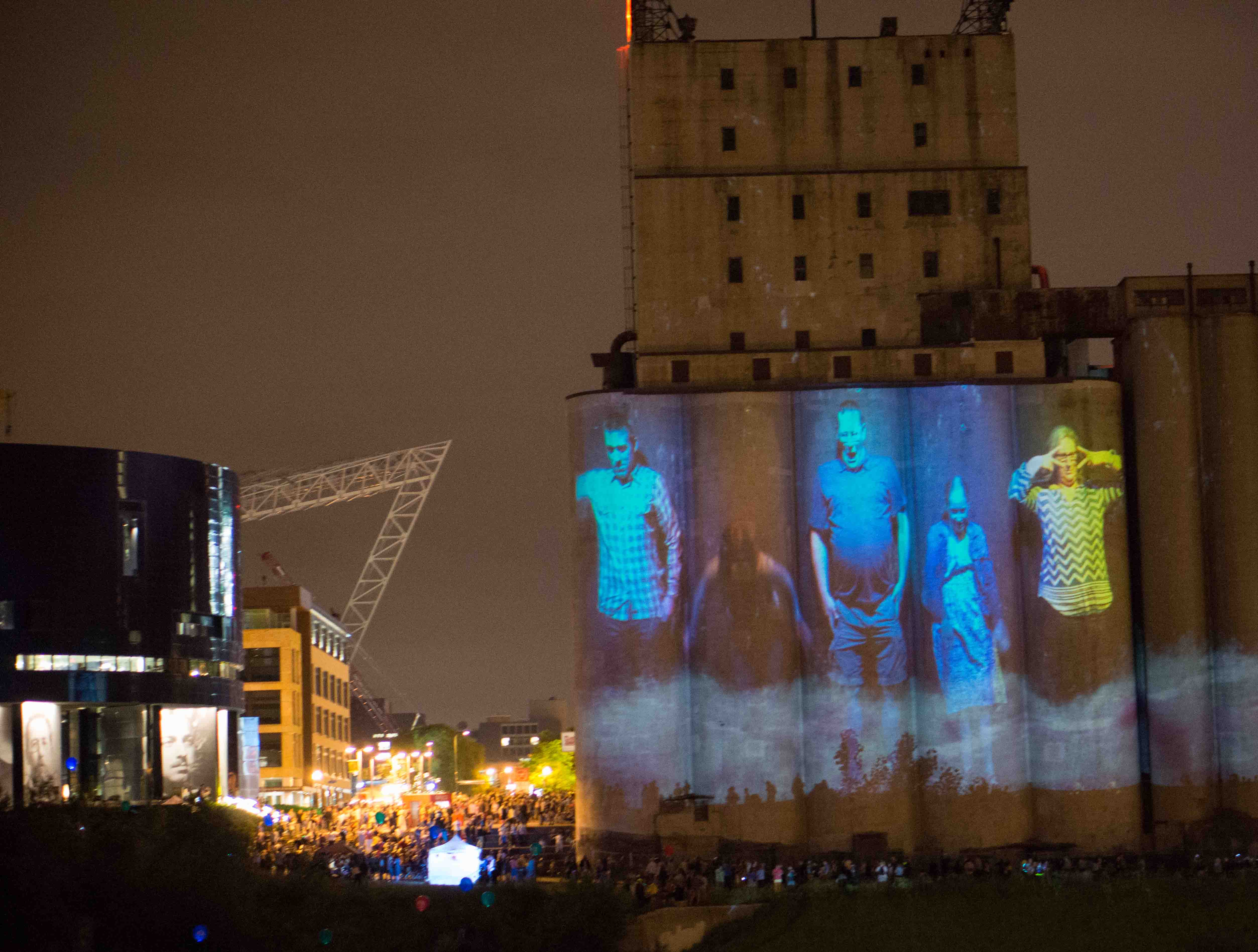

 conversation is an engine