Posts Tagged ‘writing’
Writers at Work: “How do you imagine that will unfold?”
Seeing Need and the Power of Imagination
The leader’s peculiar gift is to help followers imagine how their work makes meaning. The leader makes personal how the organization’s work helps others, solves a human problem, makes the world better/more beautiful/safer, for starters. From that position of ownership (note that leaders may appear anywhere in an organization, position does not equal leadership) the leader imagines the next steps needed to move the organization forward. The leader acts on that vision and invites others in.

If you accept that the writer’s art is at least partly a reimagining or reordering of life, then you may be willing to consider the work of writing in business. Can writers in business look forward to how next steps unfold and then follow that thread backward to make those steps happen?
I say, “Yes.”
But not just because I do this for a living. [Full disclosure: I do this for a living]
It’s because writers in training are blind to this side of the life/work/art equation.
That’s a premise I’m toying with as I consider how entrepreneurship and professional writing fit together. I’m working through an entrepreneurial focus to the next Freelance Copywriting class at the University of Northwestern—Saint Paul, and I want to help English students see beyond self-focused essays and creative writing. A necessary starting point is inviting them to use their writerly tools to imagine life from that leadership/ownership/need perspective. I believe this can shift ownership to the writer and provide useful insight for right now.
Julian Sanchez’s tweet as the Senate report on CIA torture was released gets at this very concept:
Imagine forward and trace backward to locate solid actions. That is the leader’s gift—and possibly the writer’s.
###
Image credit: Kirk Livingston
Tune-up the Voices Talking Inside Your (Corporate) Head
Pitch the preachy. Scrap the sing-song. And definitely lose the lingo.
Sometimes a certain tone will flip a switch for me. And all the person says next is covered in darkness because the tone pointed me elsewhere—so I miss the message entirely:
- The VP standing before the group launches into a sermon and 93% of the audience tunes out before she takes her first breath
- The newsletter from internal communications plays out cheery, one-sided copy that feels as manufactured and questionable as a tuna sandwich from the vending machine
- A poetry recitation where the sing-song voice seems to have come from a different century
- The prayer that sounds like a sermon. The sermon that sounds like a lecture. The lecture that shows no interest in connecting with an eager audience.
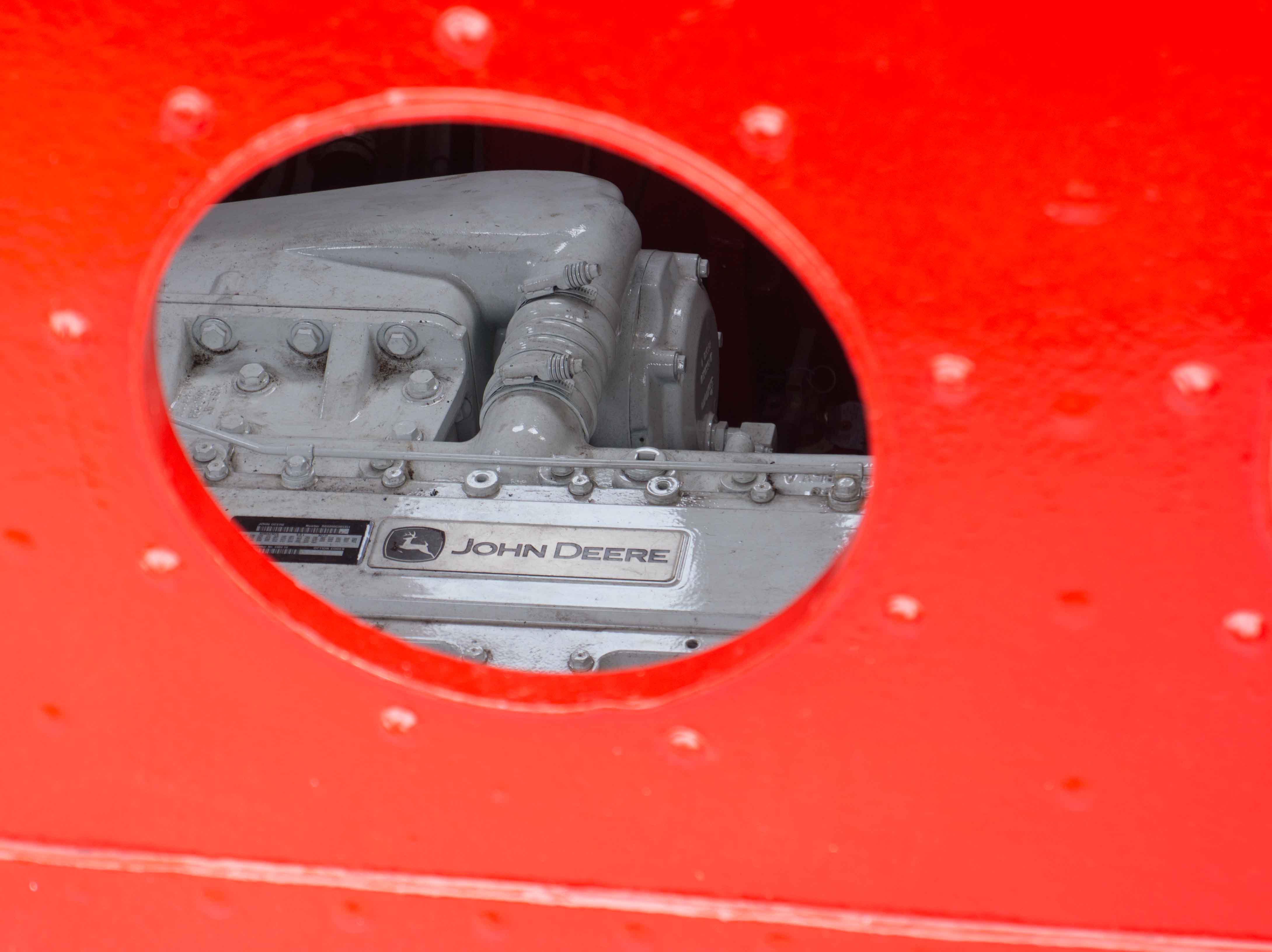
Each communication event is an opportunity to pass information, true. But each event is also an opportunity to deepen relationship and build trust—both of which may be more valuable than the information in transit. To squander those communication events on vacuous, preachy or condescending fare seems a waste of time, money and consciousness.
Perhaps certain situations activate your autopilot and you slip into a particular communication mode. The status meeting, the Sunday sermon, talking to an employee. Talking to a child. Maybe we even have a special voice reserved for praying with other people. We may not even realize that we adopt a slow-meter pacing, using parlor words we pull from our big-bag-of-sacred-stuff.
Our autopilot mode can learn from the practice of that old poet-king. That old poet-king had a special voice for prayer too, but it wasn’t from the big-bag-of-sacred-stuff. Instead, it was the voice of desperation, of falling and not being able to get back up, of righteous anger on the dudes who done him wrong. The poet-king’s voice was a real voice, based on real bad stuff that seemed to be happening.
The lesson from the poet-king is this: keep it real.
Employees appreciate hearing what’s really happening, not some vetted-party-line version. Use your real human voice as often as possible. Real voices—the ones that we believe—find a way around buzzwords and corporate lingo.
Real conversation with real voices is the engine moving all of us forward.
###
Image credit: Kirk Livingston
Chasing #NaNoWriMo Madness: 3961 to 50,000
Got no time: we’re all out capturing words.
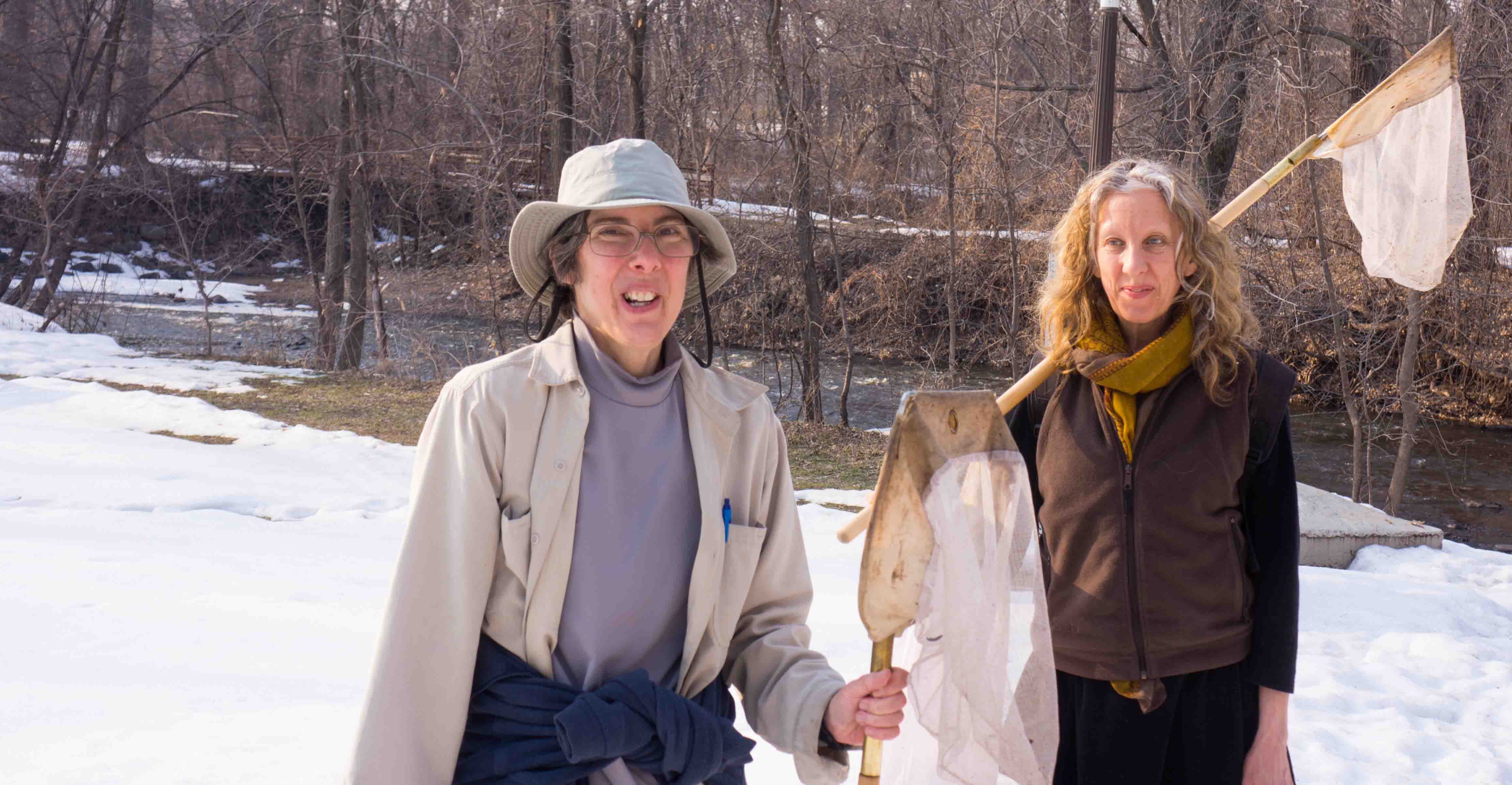
Two days left. Plus, this happened:
###
Image Credit: Kirk Livingston
You Gotta Find Ways to Tell Your Story
Don’t dumb down. Don’t be boring.
One client is a thought leader in her particular industry. She writes and presents papers around the world. In doing so she thinks brand new thoughts, adds to her credibility and drums up potential clients for her firm. She is disciplined about two timetables:
- Timetable #1: Industry Papers. She includes time in her schedule to research and write, which allows her to build out topics of interest to her customers. Those topics also interest editors of professional journals, so she maximizes her research and writing time to open up new venues to be heard as an expert.
- Timetable #2: Everyone is a Publisher. My client also understands that she is not just speaking to the industry-folks who crave the details she has synthesized. She is also speaking to a broader group of people—those who have a nominal but urgent interest and may benefit from what she has to say. This second, broader group of people drop their questions into the oracle of Google. My client hopes her investment in social media (her firm’s blog, Twitter, and Instagram accounts) will reach these people. She routinely takes papers she has published and breaks them up into smaller chunks that more easily relate to the rest of life.

We need your annotations.
But this second piece is less about research and more a journalistic/writerly function. This part is more about connecting the dots with the work and life and less about laying bare abstract research findings. She understands this second communication need has nothing to do with dumbing the topic down. In fact, just the opposite she employs her best writing to say things as simply as possible without relying on buzzwords and tribal knowledge.
Marketers of consumer products have long focused on Timetable #2. Academics and specialized industries have long focused on Timetable #1. How long before we all use Timetable #2 as the route to Timetable #1?
Remember: we are the gatekeepers now.
###
Image credit: Kirk Livingston
Making It Up Daily: 1667 Words at a Time
Do You NaNoWriMo?
It’s funny that those stories we’ve lived in since childhood were written by someone. Made up, one word at a time.
Books. Movies. Plays.
All made up.
By someone.
Writing.
Game of Thrones. Lord of the Rings. The Great Gatsby. Even Burt Dow, Deep-Water Man. All made up. Maybe they carried pieces of older stories, but someone composed them. We know the names of the authors.
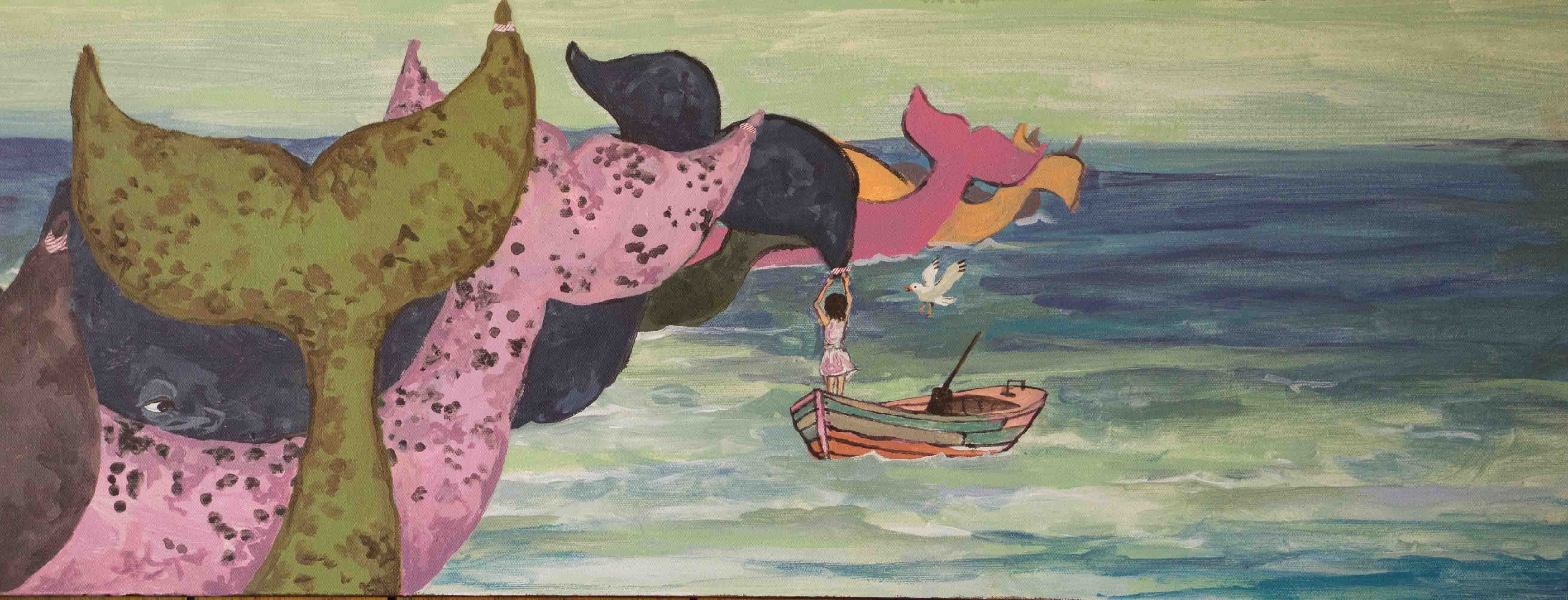
At some point in life I realized these very complete little worlds that seemed so alive were actually fiction. Funny that something made up could prove so real for so long. So concrete. But I had to pull back the curtain to realize this.
At some point—a bit later—I realized there was actually quite a lot made up: much of human interaction is made up (we call it “culture”). Oh sure, it presents as concrete reality, but behind the scenes people were literally making things up every day.
Business is a great example. Walk into a brick and mortar superstore and it seems like it’s been there forever. But we know they huge multi-million dollar inventories come and go. Same with banks. Same with restaurants—especially restaurants. Even the big institutions that are the pillars of our communities are making it up as they go. Sure, the rules of the game are there and seem to be unchanging as if handed down on stone tablets. But nothing is certain about business.
If you’ve ever been in a start-up company you’ll know that making it up as you go is expected. We need more folks willing to leap into the void of making it up. I believe making it up on paper translates to words which translates to action.
National Novel Writing Month is upon us again. And I’m joining in. It’s likely this blog will suffer inattention. But the challenge of creating a story from nothing (or more likely, from the disjointed and broken story-bits laying about in my mind and yours) is too great to resist.
National Novel Writing Month is a relatively painless way to try to produce a coherent story. Or, if not coherent, than at least something that has 50,000 words.
Where are you exercising your make-it-up muscle these days?
###
Image credit: Alli Livingston. Photo: Kirk Livingston
Collaboration in Real Life: The Book Cover
Self-promotion is stinky poop
This week I spoke with a copywriter who writes plays and novels on the side. But he doesn’t work too hard on promoting his finished bits of literature. He prefers to stick to the writing part (who doesn’t?). This copywriter is not atypical on two counts:
- If you don’t need to get your message out (that is, move product to earn the feeble coin a book represents) you can let it languish.
- Copywriters are bad at self-promotion.

Roger’s cover
Not all copywriters, and probably not the copywriter I spoke with. But many are bad at self-promotion. It’s funny because while copywriters have insight into the psychology of business problems and use divergent thinking to solve those problems, they have a hard time turning that insight onto their own projects.
And that is true for all of us.
It’s not just because self-promotion has the feeling of swimming in a septic tank. It is also because we are truly blinded to the very things we are most passionate about. We’re typically deep inside those passions, and we have no clue what it all looks like from the outside. That’s why we need to tell others and get the outside insight that telling affords.
A client and friend provided a quick insight that has proved far better than anything this insider could produce. My first book, ListenTalk: When Conversation is an Act of God, is on its way through this marathon called publishing. Encapsulating the message into an image and a few words has proved daunting to me. Roger’s cover, with the fire, well, most people love it better than my covers. I’m not bitter, I’m grateful: grateful to have people around who can offer very tangible insights. These insights regularly, well, cover my arse. And I’ve always maintained that I am neither a designer nor photographer.
I thank God for people with such quick insight.

My covers.
A word about ListenTalk versus “conversation is an engine”
If you’ve dropped by this blog, you may have noticed I hit on different topics as they relate to conversation. Business and the business of writing, and the business of how faith and craft and work fit together are key drivers for me as I write.
My first ongoing project along these lines was to develop a sort of practical theology of persuasion—something I was desperate to understand as a copywriter who regularly trusts in God. That is what ListenTalk represents. It takes some topics from “conversation is an engine” but develops them specifically for people of faith. Here’s the draft copy from the back cover:
“Talk is cheap.”
So we say, but deep down we know different.
We know talk is a potent engine for war and love and all that lies between. Talk is our entertainment and our tool for exploring every relationship. Talk is an economic engine. Lives change—culture changes—when we talk together. In many ways, the future is patterned after our speech.
And this: even God responds to talk.
Yet we pay scarce attention to the working parts of conversation: the listening, the words used, and the intent behind the words. And we hardly think about God’s purpose in speaking, and how God speaks today with fierce desire for reunion—and how that desire motivates all God says and does.
Every day, people work out God’s desire in thousands of ordinary ways. Not so much through sermons and high-minded programs as through the ordinary conversations among themselves.
ListenTalk will help you to re-think what God accomplishes in even your smallest, most ordinary conversations.
“ListenTalk is a wonderful book with deep wisdom, practical advice, and heart-warming encouragement. Read it, converse with it, and share it with others.” –Dr. Quentin Schultze, Calvin College
“In our contemporary world where words and ideas seem to divide far more than they unite, ListenTalk provides an antidote of balance and sanity. ListenTalk reminds us of a power that can lead to greater understanding, intimacy, collaboration, and even personal transformation…culminating in deepening our life with God.” –Judith Hougen, University of Northwestern—St. Paul
Hey—wait a second. You could buy ListenTalk!
###
Image credit: Kirk Livingston
What Photography Teaches About Writing
Look for what reflects light
With camera in hand I look first for what is reflecting the light.
And then I shoot that thing.

It’s all about catching some sort of reflected glory.
The best writing does that too.
###
Image credit: Kirk Livingston
“Writer without permission.”
Write On Your Own Dime
A new LinkedIn friend in the Minneapolis/Saint Paul area has a job title “Writer without permission.” The genius of her title is to say out loud what most every writer is thinking—nobody asked for this, nobody gave me permission, and frankly, no one is waiting for me to finish it. The whole thing is entirely self-motivated.
Let there be more of her tribe.

Writers without permission may encamp here as needed–not that you need permission.
Writers often stop mid-sentence and think,
I am entirely unqualified to write this. When will someone knock on my door and say, ‘Hey—Stop it: You got no business writing that.’?
When those Philip Glass moments occur, whether real or imagined, the writer without permission pauses and then continues the sentence. And the next sentence. And so on—breezing past the “No Trespassing” signs posted around the perimeter of the topic.
If you are waiting for someone to say, “You should write about X.” You have a long wait. If you are waiting for a fat check to cover expenses while you draft your manuscript, well that isn’t likely. Although I did chat with someone two weeks ago who received a sabbatical from her job to write a book. So, miracles do happen… and all that.
New stuff happens when we start writing without permission. But the alternative is also true: maybe nothing will happen. Maybe it will fail. Given all the books and writing and words floating around today, failure is likely. Then again, what is success or failure? If just getting your story out is success (I happen to think it is), then start writing. If success is getting famous, well…miracles do happen (and all that).
But there is something more to the kudos and the paycheck—it is a kind of validation that you are doing a good thing, a worthwhile thing, an important thing. It’s as if we need someone else’s validation to gather gumption and move forward. But what if someone won’t even understand what you are doing until you are done—because you yourself are working out the details? And you don’t fully understand it. Not yet.
We celebrate the creative genius of long-dead writers. But how many knew they were writing some landmark story until much later—or ever? Most had to battle the “No Trespassing” signs and the missing fat paychecks. And they created anyway.
Do you need permission to create the thing you cannot stop thinking about? You have my permission, for whatever it is worth.
Don’t put off creating.
Start today.
###
Image credit: Kirk Livingston
Mind-reading and the Perfectionist’s Dilemma
“Come here, you big, beautiful rough draft.”
You know what needs to be done.
You know how to do it.
But—given your schedule—you simply cannot attend the details. What you want is to jump to editing the rough draft—but who’s got time to create that rough draft?
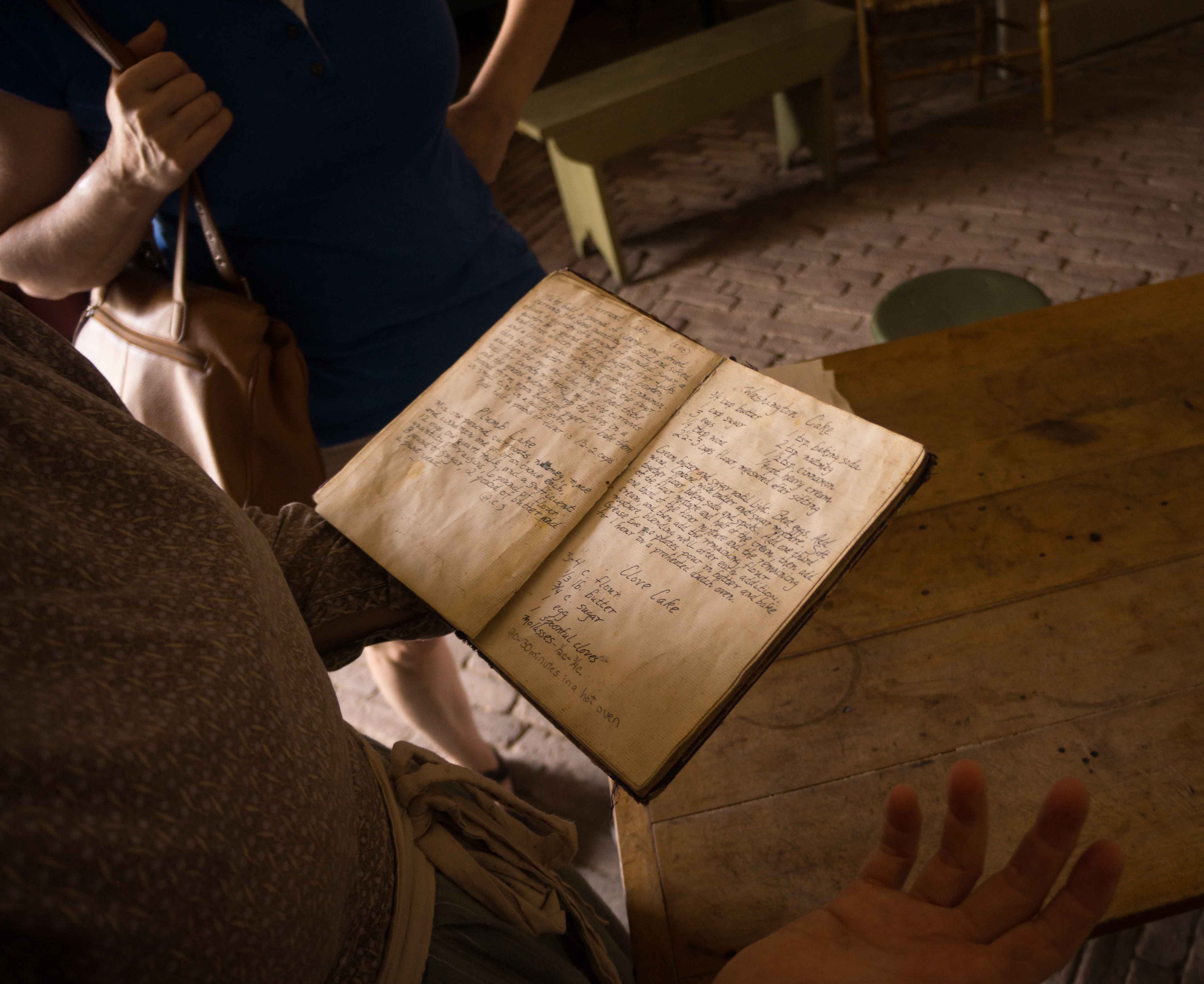
This is what I’m thinking….
We could be talking about drafting an email, an article or a chapter. We could be talking about a curriculum for a class or a seminar. We could be talking about writing a memo to employees or a letter to partners or a speech to stakeholders—anything that requires focused attention for a time so you can spin out and organize the details. We’re talking about anything you need to create from scratch to deliver to others. Any communication that solves a problem you’ve noticed.
Now is when you need an assistant who can move forward without hand-holding. Now is when you need someone who knows what you know without you telling them. Now is when you need a mind-reader.
But there are no mind-readers.
Are there no mind-readers?
I won’t say copywriters are mind-readers. I will say I find myself in situations every week where my client has provided 15-25% of the details but expects our project to organize 100% of the content in a coherent, compelling fashion.
Sometimes I wonder if our close friends, colleagues and collaborators serve as near-mind-readers. With them we feel free to spit out the raw bits of what we know. And as we say it, we realize what we need to do next. To tell someone what is on our mind is the first step to accomplishing a task. Those conversations are a kind of verbal rough draft.
Don’t be intimidated by the blank page. Embrace the notion of doing something mostly wrong and partly right, which is to say, embrace the rough draft.
It is much easier to change words on a page than it is to put words on a page.
###
Image credit: Kirk Livingston
Words Make Stuff Happen
What must you say today to move forward?
And who do you need to hear from?

###
Image credit: Kirk Livingston

 conversation is an engine