Archive for the ‘Advertising’ Category
The Cost of the Silver Hand
In versus out—does it even matter?
It does in Minnesota. It’s 33°F right now—not so cold—but in less than 30 days we’ll plunge well below 0°F and stay there for a month or two. Being inside matters when the outside temperature is cold.
About “inside,” you remember high school, yes? Being an insider seemed to matter there: being part of the groovy clique seemed to say a lot about your identity. But it turned out that the cost paid for being an insider was higher than we realized.
You get inside by exploiting insider behaviors: hang with other insiders, use insider words, allow the insider frame of reference to settle on you and gradually think insider thoughts. There is a certain warmth to being inside. Sometimes it’s safe and cozy. Sometimes staying inside means forming alliances and battling for diminishing territories. A friend recently used those words to describe his years inside a large retailer based in Minneapolis—he left when the cost of alliances and battles was greater than his paycheck.
The classic insider mistake is to think inside is all there is. And that mistake is murder when the layoff discussion happens in the HR office on a bright, cold Friday afternoon. Or when you graduate high school.
But being on the inside is good when you also recognize voices from the fringe. That sort of consciousness allows new thoughts to infect the inside, possibly even countermanding the inbred thinking of insiders talking to insiders.
Lately I’ve been stimulated by reading The Power of Pull: How Small Moves, Smartly Made, Can Set Big Things in Motion, by Hagel, Brown and Davison (NY: Basic Books, 2010). In particular, their talk about what the edge person brings to the discussion seems fitting. The edge person is working at something different than the insider. The edge person is trying to accomplish something in a different way and so is asking different questions. The edge person asks questions the insider doesn’t even consider. And it turns out those questions are sometimes the very questions the leaders of the insiders wish they were asking.
My favorite scene in Canal Digital’s “Silver Hand” is at the bar when our hero tries to casually drop the Silver Hand reference.
What a lovely fail.
The smart insider acquaints herself with the habitat and questions of the edge person.
And vice versa.
###
Via Canal digital
Ecotricity Collapsing Cooling Towers: One Memorable Brand Voice
One gets the sense they don’t take themselves too seriously.
Old 2012 ad. Still cool.
Via: copyranter
But Vote (Out of Spite If You Must)
Just say No to Bilious Lies
It’s hard not be cynical around election season. The little bits of television I’ve watched have been be interrupted by the usual bilious lies presented by deep-pocketed political action committees. I’m guessing 99% of the nation exercises the mute button when one of the toxic deception-events plays.
But there are all still all sorts of reasons you should vote. It is our duty as citizens (of course, we hear that all the time), and a very minimal duty at that. It doesn’t take that long. And even if you are disillusioned, try to find a reason to go to the polls.
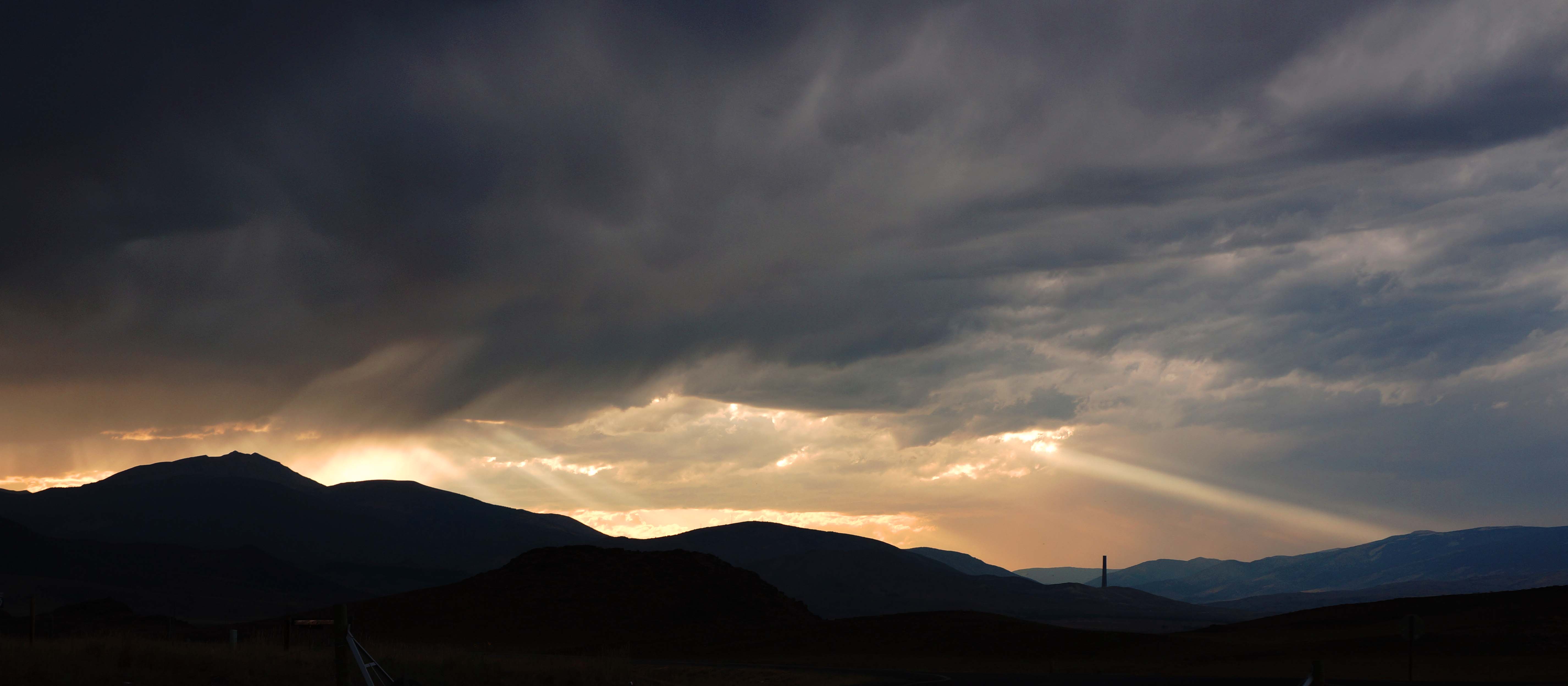
Shine today.
Two reasons motivate my voting today.
- I’m sick of the lies and twists and obstructionism the Republican Party puts forth again and again. Wait—don’t leave yet: my Republican friends (of which there are many) are entirely justified in leveling the same charges against the Democrats. It seems today all political persuasion amounts to one-sided arguments that even a child should question and reject.
- Democracy will continue even if you don’t vote. That’s because our corporations and institutions have a vested interested in making our democracy work—especially to make it work in their favor. One reason I want to vote—which is also a reason I’m becoming increasingly curious about the gears that turn our form of democracy—is to begin to lay bare how corporate interests have trumped the will of the people again and again. It’s simply not true that what is good for GM/Medtronic/UnitedHealth Group/Super Value is good for the rest of us—at least not without a few close questions. Those interests compete with the citizenry at times and they spare no expense to win their argument.
So vote.
If you cannot vote for something you believe in, vote against something you despise.
This system is an imperfect mess, but at least it is a mess that allows you to voice your (limited) option. Don’t sit out this opportunity to make your voice heard.
###
Image credit: Kirk Livingston
Clothe Your Team with Inspiring Briefs
Creatives are natural problem-solvers. Start them with a tantalizing puzzle to solve.
In stark contrast to the meeting where the boss wanted creatives morphed into analysts, Adrian Goldthorpe (Lothar Böhm London) has such faith in the creative process he thinks creatives are proper problem solvers. All they need is the right question, which turns out to be a really good puzzle to solve.

One Artist’s Solution: 262 Studios, St. Paul Art Crawl
The creative brief (as you know) provides a quick take on a new assignment. All too often the brief is prepared and presented as a sleepy, non-essential document. But for copywriters and art directors, that brief can and should be a vital link to starting with the right focus.
Goldthorpe laments the mindless filling of briefs and checking of boxes, which is how many creative projects begin. Instead, at a meeting in Moscow earlier this year, he recommended short, informative briefs that facilitate (versus block) creative solutions. The brief should succinctly answer five questions:
- What should the creative do?
- What do we want to achieve?
- Who is the audience?
- What is the brand proposition and how is that supported?
- What is the tone of the voice?
Of course there is more to say in a brief and we all experiment with different ways to communicate this information. But I like Goldthorpe’s succinct, concrete statement of the problem. It is enough information to provide a frame to begin the creative process.
Naturally the creative process is not just for “creatives” at an ad agency. Presenting our problem or opportunity for others to consider and collaborate with is something authors deal with, and parents and professors and bosses. And coworkers.
It behooves any of us to consider how we succinctly introduce a topic to others, especially if we want help.
###
Via POPSOP
Image credit: Kirk Livingston
Bill Moyers: Serving “News” like the Butler Serves Tea on Downton Abbey
Do Not: Do Not Disturb the Master Class
All of us can stand a bit of disruption from time to time.
David Uberti wrote recently in the Columbia Journalism Review about PBS pulling ads from Harper’s Magazine as retribution for an article critical of PBS. PBS exists as a non-commercial, educational media channel. But the critical Harper’s article by Eugenia Williamson pointed out
And so, a fit of ad-pulling ensued. But it was this candid, PBS-critical quote from the patron saint of public broadcasting that caught my ear:
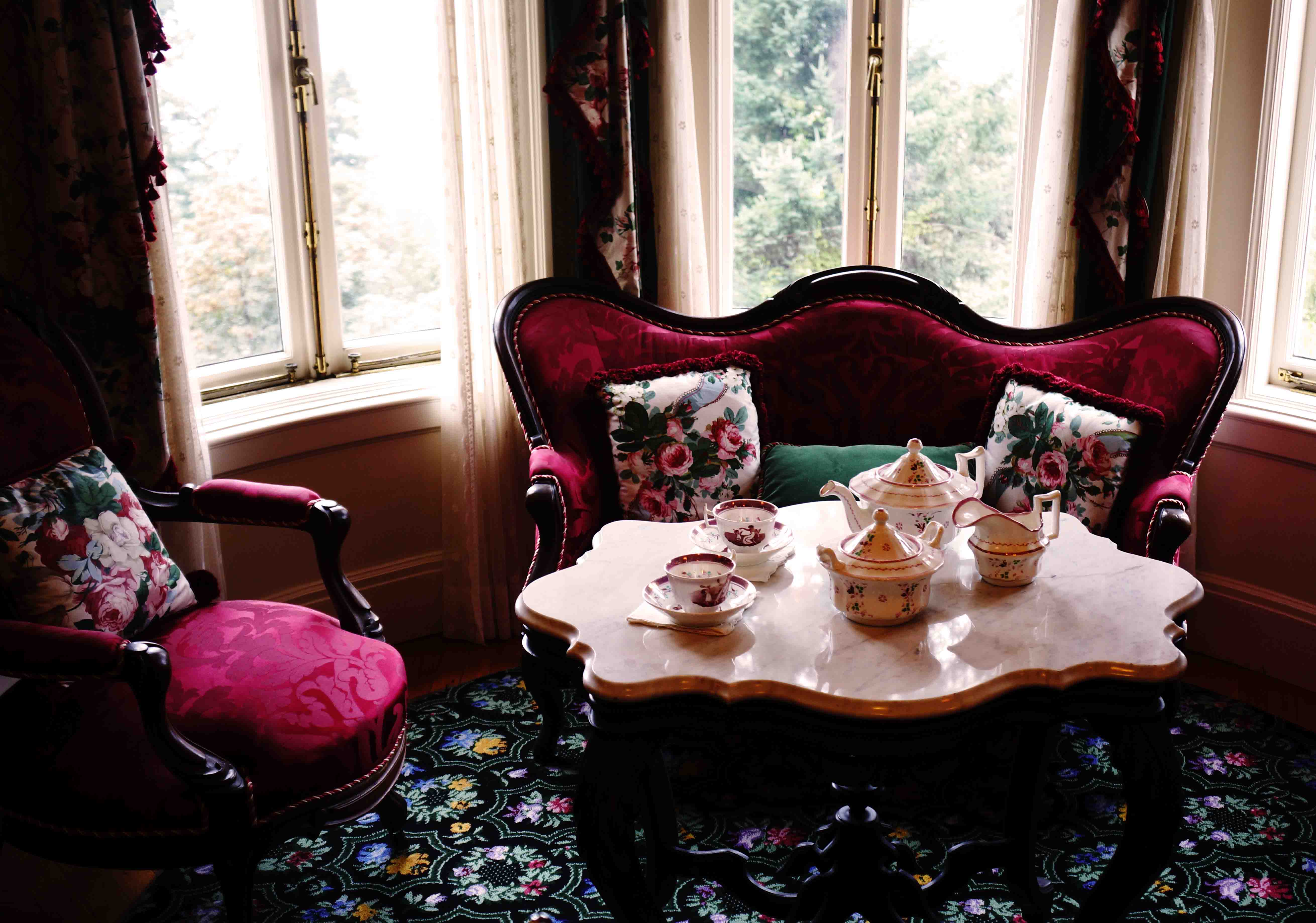
Tea is served at the Pittock Mansion
Wherever you land in your organization, there is some grand narrative at work that guides all involved. That grand narrative is often a good thing and useful. It is often laden with meaning that helps us do our jobs. But it is not a perfect narrative—never is—and parts call out to be challenged by practitioners.
After all, it is the disruptive conversations that lodge in our brain pans. Those conversations we cannot forget sometimes actually open our clam shell brains to something new. And that is the way of both innovation and truth-telling.
Many of us—especially the people-pleasers among us—are careful to assemble conversations that do not disturb the people around us. I am guilty of this. But truth-telling must necessarily veer from the party line.
If only because sometimes the party line veers from truth.
###
Image credit: Kirk Livingston
Rob Moses & the People of Calgary
“Have you ever ridden a horse?”
If you’ve had the pleasure of going to Calgary you’ll know it is truly a western city. Situated not far from Banff and Jasper National Parks, it is also quite spectacular. And rich, fueled by oil and gas money flowing into the city.
Rob Moses is a photographer based in Calgary. I follow his blog because of the extraordinary portraits he takes of complete strangers. His method is to approach someone, have a conversation, and shoot the photo. The endearing thing about this process is the conversation he has. He records it verbatim —or so it seems. His written text includes nervous laughter, indecision, and ricocheting answers. His recorded conversations sound like real conversations to my ear.

Stopping complete strangers is not easy in the best of situations. Asking to take their picture sounds like a scam, but Mr. Moses pulls it off with what seems to be a fair bit of joy. And he always asks if his subject has ridden a horse—critical information for Calgarians, evidently.
The optimism of sharing his talent with photography is not lost on me here. It’s kind of an amazing way to self-promote and, well, bless people. And for those lucky enough to find their way into his lens, they come away with a phenomenal view of themselves. Scroll through his blog and be amazed at the composition, lighting and the ease written on the faces of his subjects. If you’ve ever asked to take someone’s photo, you know it typically ends badly. Unless you are Rob Moses.
May there be more of his talented tribe.
###
Image Credit: Rob Moses

 conversation is an engine