Archive for the ‘photography’ Category
Let’s get visceral: Choose your signal before you gut-punch
What forms say before we know anything
I recognize a business card because of the shape and size. I recognize a sermon more by a particular tone and rhythm (which signals a certain intent) then I do the presence of a pulpit or podium. I know a joke is coming because Letterman is on stage and it is 10:37pm. I know the joke will have a setup and a payoff. Or perhaps the third of three statements will be funny. I am ready for the joke because of these forms.
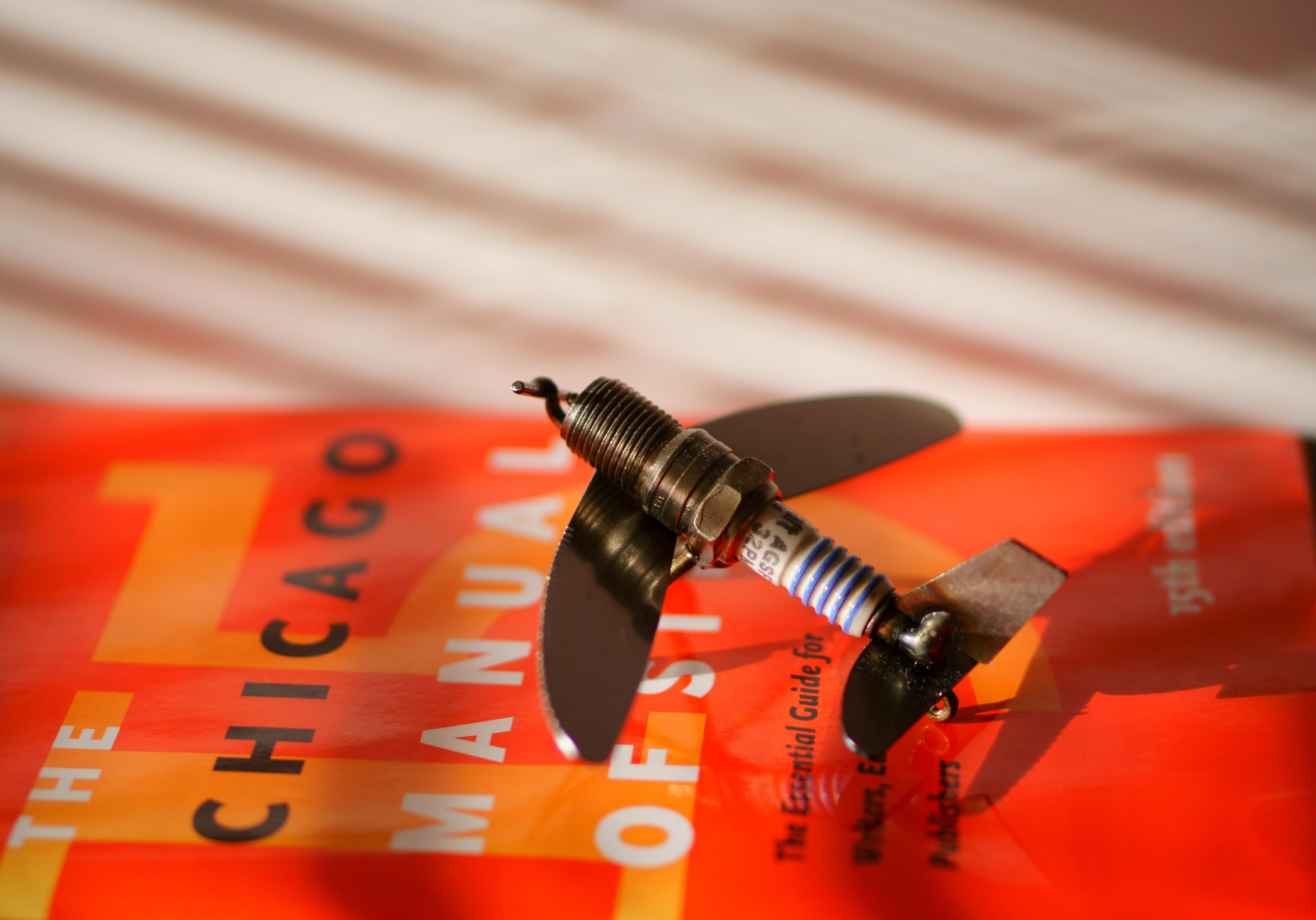
Before we know anything we recognize a form. Our brain sorts how to react to that form, and then, once that is settled, we process communication content. Long before I hear any content, I know what category to place each of those communication events. It is the context that prepares me: when I see X, I know Y is not far behind. My nervous system anticipates the next piece.
But what if the form is out of whack?
What if I hear preaching on a street corner? What if a clever copywriter uses a rubber stamp instead of a business card (“Here, give me your hand and I’ll stamp my contact stuff on you palm.”). And what if Letterman was serious? He has been a few times: right after 9/11 his serious tone—entirely uncharacteristic—began a bit of national healing.
I tell my copywriting students to follow the forms at times and to bust the forms at other times. For instance, we must make our ideas as easy to understand as possible, and so we present our ad concept to a client in a form that is immediately recognizable—even if the idea itself is challenging. And sometimes one thumbs one’s nose at the form on purpose, just to bust through (that is, the communication gut-punch).
In any case, following the form or busting the form is a conscious decision.
And the form is not God (not even a god).
By the way, Dan Pink has a great story about the Pixar way of presenting a concept here.
###
Image credit: Kirk Livingston
What happens when we say stuff?
An Epistemology of Writing
I just realized I run my college writing courses in ways possibly dissimilar to how others do it. We have texts, of course, and readings. We have my dry lectures, which I try to turn to discussion (with limited success). We have examples of excellent copywriting and we talk about why they work and when they don’t. We have questions. We have answers (some from me, many from the class). We have cordial fights and the occasional snark (more remains unsaid, I think). We have yawns and longing looks at the clock.
And we have assignments.
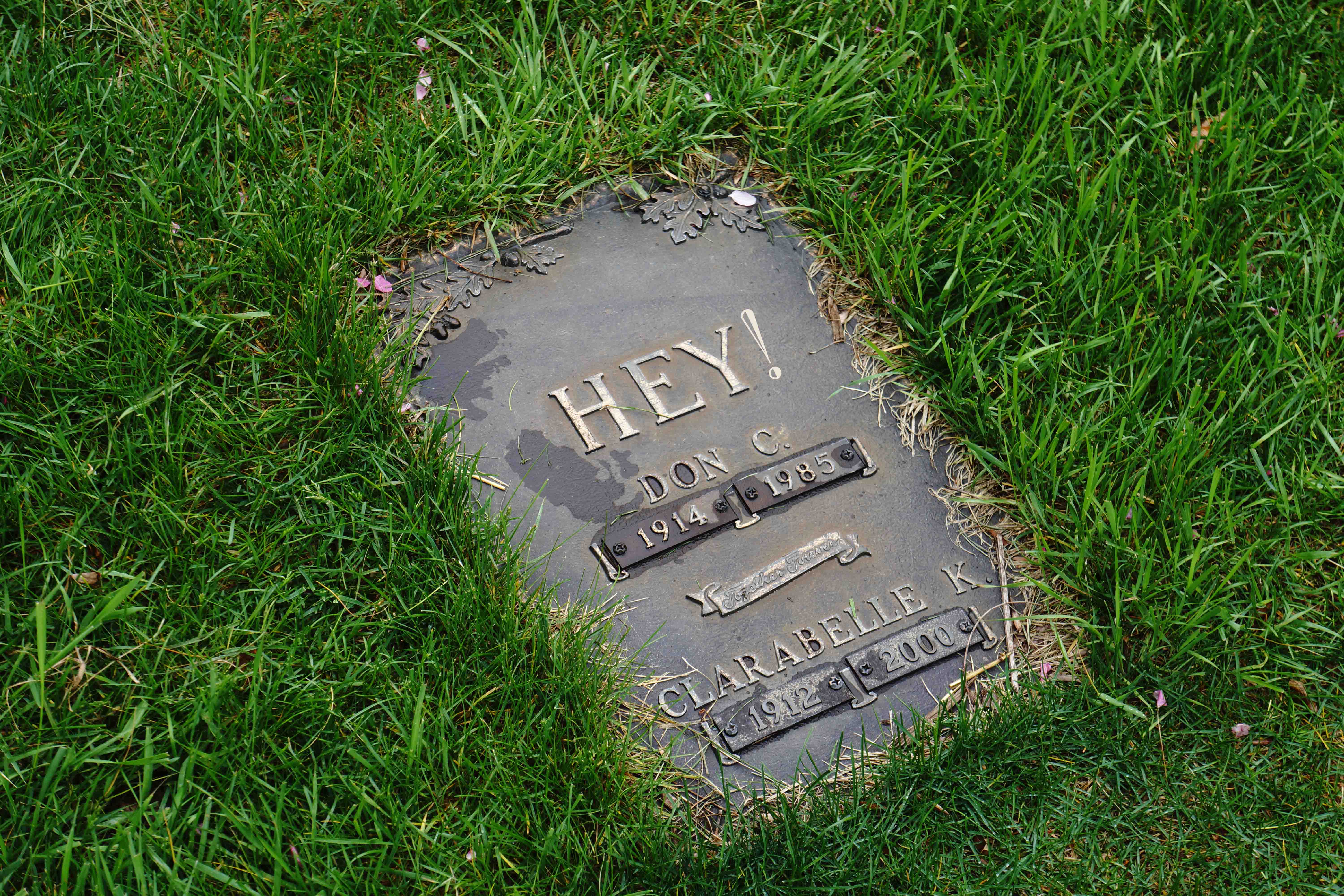
You have my attention.
A portfolio addition due ever Saturday night, five minutes before the stroke of midnight. Way to ruin a perfectly good weekend, right? (Ahem: for the record, one need not wait to start an assignment until 10pm on Saturday night).
It’s the assignments—these portfolio additions—that are the real teachers. I try to direct. I try to offer my small ways of thinking, but the real work of this education happens deep in a student’s brain pain: where sparks fly and catch the dry tinder of panic: “What do I say—and how?”
So it has always been with me: I learn as I write. I often don’t know what I think until I write it. Or say it. Just ask Mrs. Kirkistan. But when I research a topic and begin writing about it, all sorts of synapses fire and connections meet and angels sing and the sun shines on my keyboard, where doves and baby deer have collected. Especially after three cups of coffee.
And this is what I depend on in my class: that the threads of our discussion will come together in the doing thereof—the writing of copy. This capturing of a brand, or a dream. The useful words that direct and possibly encourage as they launch into a reader’s mind.
But this: just doing an assignment dampens the angels singing. This class is less about getting my grade and approval and more about creating something you will proudly show to Ms. Creative Director or Mr. Small Business Owner who can hire your magic for their capitalistic endeavors. I can already see those who get this concept. Their work shows it.
Bless them.
And bless all the rest of us, too.
###
Image credit: Kirk Livingston
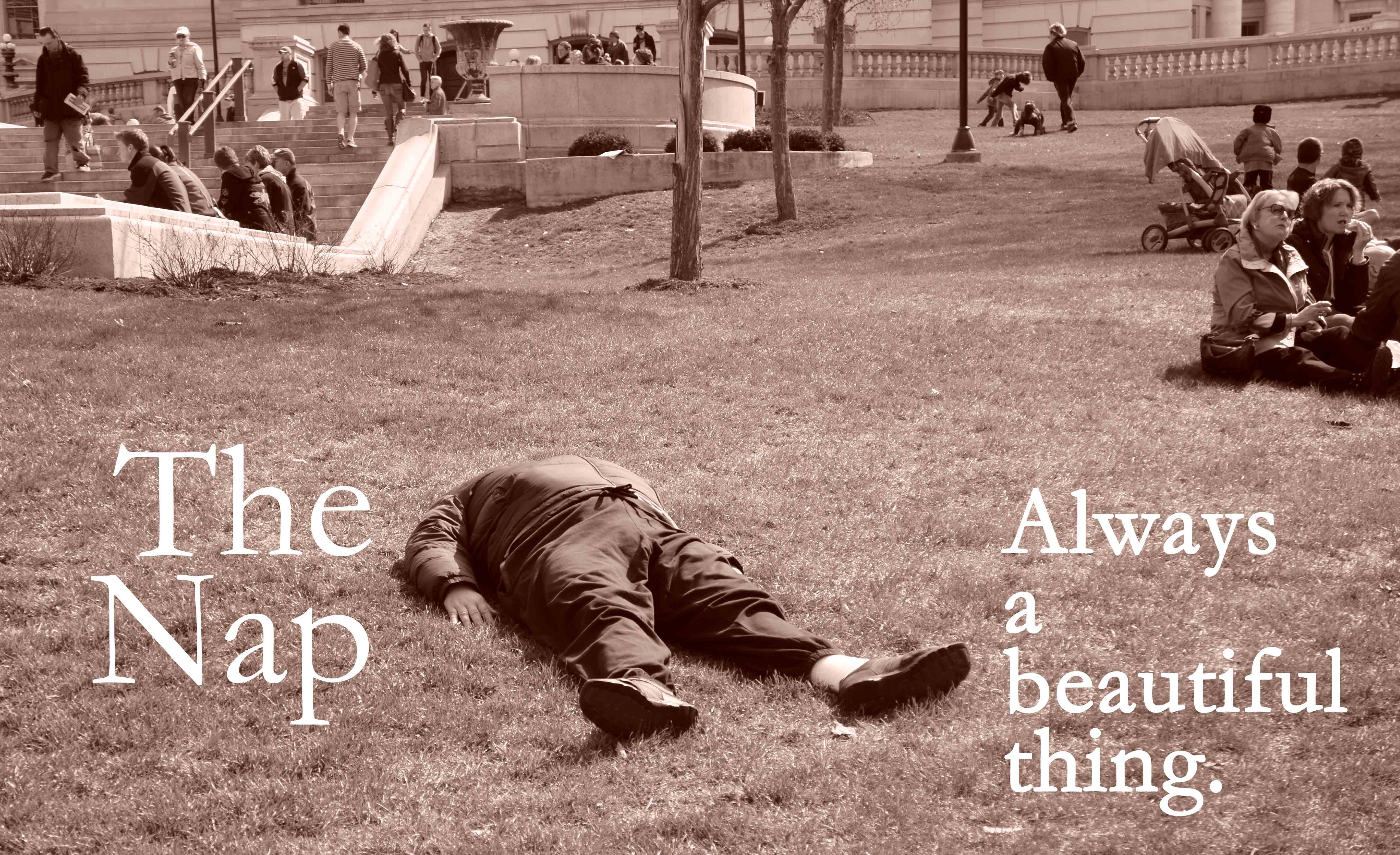
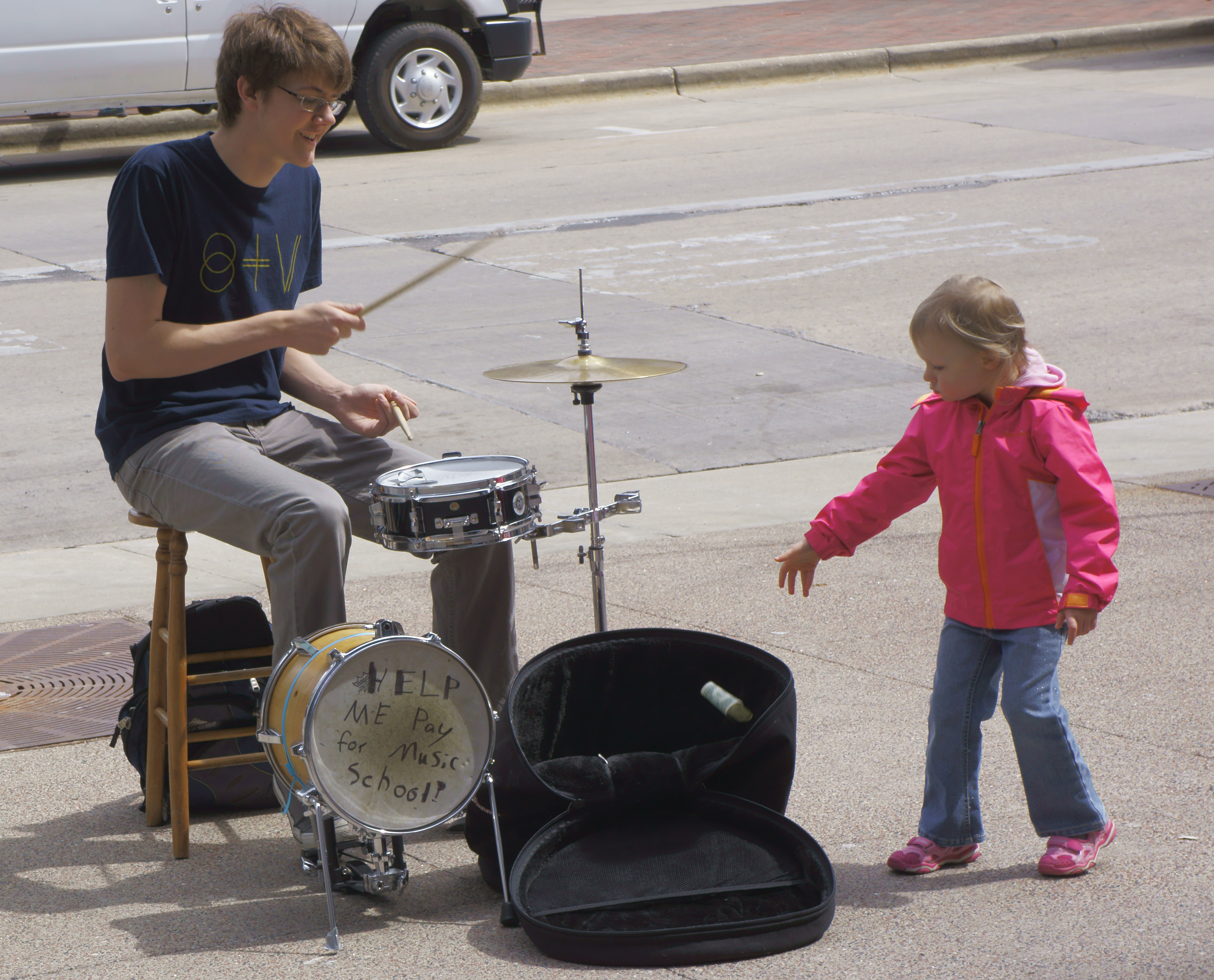
Keith Sawyer: Surprising Questions Emerge
Where will you find transformative creativity?
–Keith Sawyer, Group Genius: the Creative Power of Collaboration (NY: Basic Books, 2007) 16
###
Image Credit: Kirk Livingston
Why Name a Problem?
“They won’t recognize a great solution until they see how big the problem was.”
Along the way to becoming a copywriter one must learn to name problems. This is an essential skill for anyone trying use their creativity out in the world of real people and real issues. Because when you present your bit of inspired copy to a prospective client (as one does when planning for serendipity), they will not see how inspired it is until you tell the problem the copy solved. Once they understand the problem, they can begin to appreciate the genius of the solution you created.

Naming a problem is best done in story form: there was this nasty condition and people worked around the nasty business in this way, which was inconvenient and bad. But we saw that this could be done, and so I created this. Which seemed to work and everyone was happy. Problem solved.
But naming a problem can sometimes be uncomfortable. Not usually after the fact, when everyone can easily see that it was a problem. But before: if you are the first one to notice a problem it takes a bit of courage to say it out loud to others. What if you got it wrong? What if you just don’t understand? If you name the problem, will you be responsible to fix it?
Here’s where a lesson from work fits back into real life as a human: naming a problem is the first step toward fixing it. That is true with my clients and it is true with students and it is true in all sorts of relationships and life situations. To name something is to register that a problem exists. It puts the problem on the radar and communicates to others that there may be an issue.
Until you name a problem you have very little opportunity to address it.
Naming is a bridge to fixing.
###
Image credit: Kirk Livingston
Tag:
Planning for Moments Vs. Mapping a Strategy
The 5-year plan is dead. Long live the 5-year direction.
Once upon a time teams of corporate lackeys spent months writing strategies for one-, two-, and five-year plans. They smoked unfiltered Camels and crunched numbers and drank stale coffee to help guess about future sales, using only the flimsiest of data points. They produced thick binders full of prose and charts and graphs and tables of numbers that anticipated revenue and profit. It’s quite possible someone even read those binders. More likely: those in the C-suite who ordered it all just listened to the executive summary and nodded in agreement.
As one does.
 Those binders went on to live rich, full lives on sacred shelves. Silently wise and knowing. Until, over time, the strategies gradually got it wrong more often than getting it right (had anyone read them to notice). Predictions have never been a strong suit for ephemeral beings like humans. Especially today when technology seems to refresh every few months—complete with a new set of expectations and parameters. Especially as the economy rises and falls like sea swells.
Where does that leave strategy today? It is impossible to see into the future so we got good at guessing. And we told ourselves to make the future the way we wanted it—as best we can. To step toward the future we’d like and maybe that future will meet us halfway.
Today there are far fewer teams guessing what will happen in five years. But those organizations doing well have taken the forward-looking aspect of planning and planted it as a direction. Given our direction of travel, what moments may arise that we can take advantage of?
Today our smart friends are planning for moments that occur along the path they’ve penciled in. Everything subject to change, of course. But if all goes well: this is where we want to be.
Today we must plan for serendipity.
###
Image credit: Kirk Livingston
Best Work Direction Ever: “Avoid giving the impression of diligence…,”
Said the boss to the worker:

Hermann Hesse, The Glass Bead Game (Magister Ludi) (Holt, Rinehart, Winston, 1969) 158.
###
Image Credit: Kirk Livingston
Custom Answers to Personal Perplexities
What does a good conversation look like?

###
Image Credit: Kirk Livingston
Audiences Read an Actor’s Use of Space
Keith Johnstone: Impro

May Day Parade, South Minneapolis, 2013
When I was commissioned to write my first play I’d hardly been inside a theatre, so I watched rehearsals to get the feel of it. I was struck by the way space flowed around the actors like a fluid. As the actors moved I could feel imaginary iron filings marking out the force fields. This feeling of space was strongest when the stage was uncluttered, and during the coffee breaks, or when they were discussing some difficulty. When they weren’t acting, the bodies of the actors continually readjusted. As one changed position so all the others altered their postures. Something seemed to flow between them. When they were ‘acting’ each actor would pretend to relate to the others, but his movements would stem from himself. They seemed ‘encapsulated’. In my view it’s only when the actor’s movements are related to the space he’s in, and to the other actors, that the audience feel ‘at one’ with the play. The very best actors pump space out and suck it in, or at least that’s what it feels like. When the movements are not spontaneous but ‘intellectual’ the production may be admired, but you don’t see the whole audience responding in empathy with the movements of the actors.
–Keith Johnstone, Impro: Improvisation and the Theatre (NY: Theatre Arts Books, 1979) 57
Actors act on something the rest of us respond to without knowing why.
###
Image Credit: Kirk Livingston

 conversation is an engine