Archive for the ‘copywriting’ Category
Your 10,000 Hours
Trust Your Process
There are times when you don’t know the answer and you cannot see a way to an answer.
There are times when you simply cannot see what to do next. This happens constantly in my work: even today I have a project that needs a unique kind of help. Help I cannot even quite imagine.
What to do?
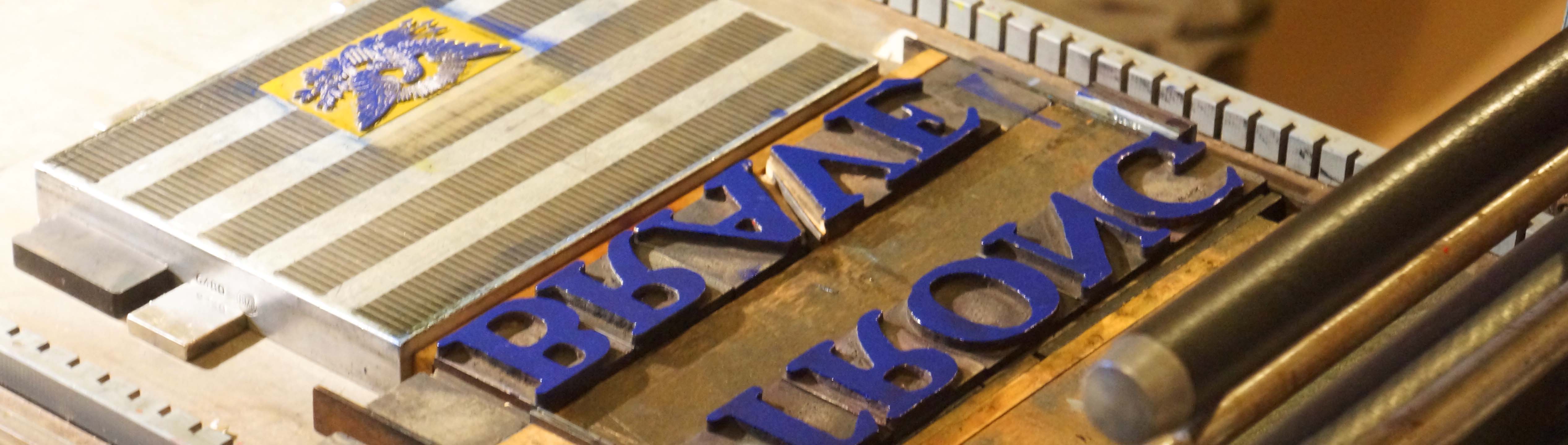
My writing process seems to be all about working my way into a corner or a dead end. It happens again and again. But as I continue chipping away and working at it (which is to say, I keep writing), the dead end turns out to be a way to rethink something. Getting stuck in a corner turns out to be the necessary thing, the thing I needed to actually turn the corner.
Malcom Gladwell contends that you must put in 10,000 hours to become an expert at something. He may or may not be right about the numbers, but certainly an expert has worked out a process the she or he follows—some way they use to accomplish the thing they do. They’ve sorted some way to keep at it. And whether or not the outcome is perfect, the process itself is revealing.
That’s why one keeps at it: to see what the process reveals next.
What are your 10,000 hours revealing?
###
Image Credit: Kirk Livingston
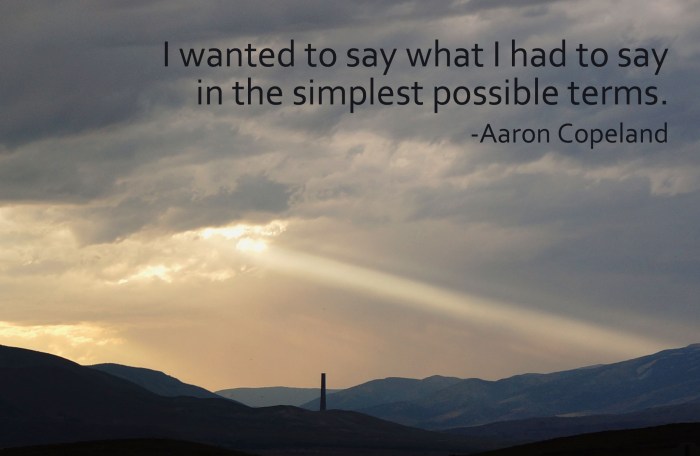
How simply can you say it?
Use Words As Necessary
 ###
###
Image Credit: Kirk Livingston
Ratcheting Expectations in World that Demands Viral
Again: what does success look like for my project?
Do you have outsized notions of what is important?
Of course you do.
We all do, because we assume (wrongly) that what is important to me is important to everyone. Turns out that is not the case. For all the videos or stories or songs that go viral, there are countless that arrive stillborn—at least as far as numbers go.

What shadow will your project cast?
It’s easy enough to see that not everyone shares our passions and drives. Not everyone is fascinated by Star Wars or Wes Anderson films, for instance. Not everyone longs to spend hours tinkering with their lawn, or building perfect pectorals or diagramming the stars in the night sky. Not everyone asks “Why?” Not everyone asks “How can I do that myself?”
So if we are looking for our idea to go viral, we had better negotiate together what we consider viral. Will my idea get 3 million views? 3000? 30? And which am I satisfied with? What can we be satisfied with? That’s worth talking about before a project goes out the door.
I’m reminded of that bit of faith that writing will find its audience. As we prepare to launch our idea, and as we talk about who is open to hearing/acting on the idea, some frank talk about what success looks like will help immensely. Realistic expectations at the beginning of the project will help set the stage for the eventual self-scourgings or pats on the back, in a week or month or year, when you see how the project did or did not do.
And for the artist or writer—just doing the work may be enough.
And maybe that is not a bad place to dwell.
###
Image credit: Kirk Livingston
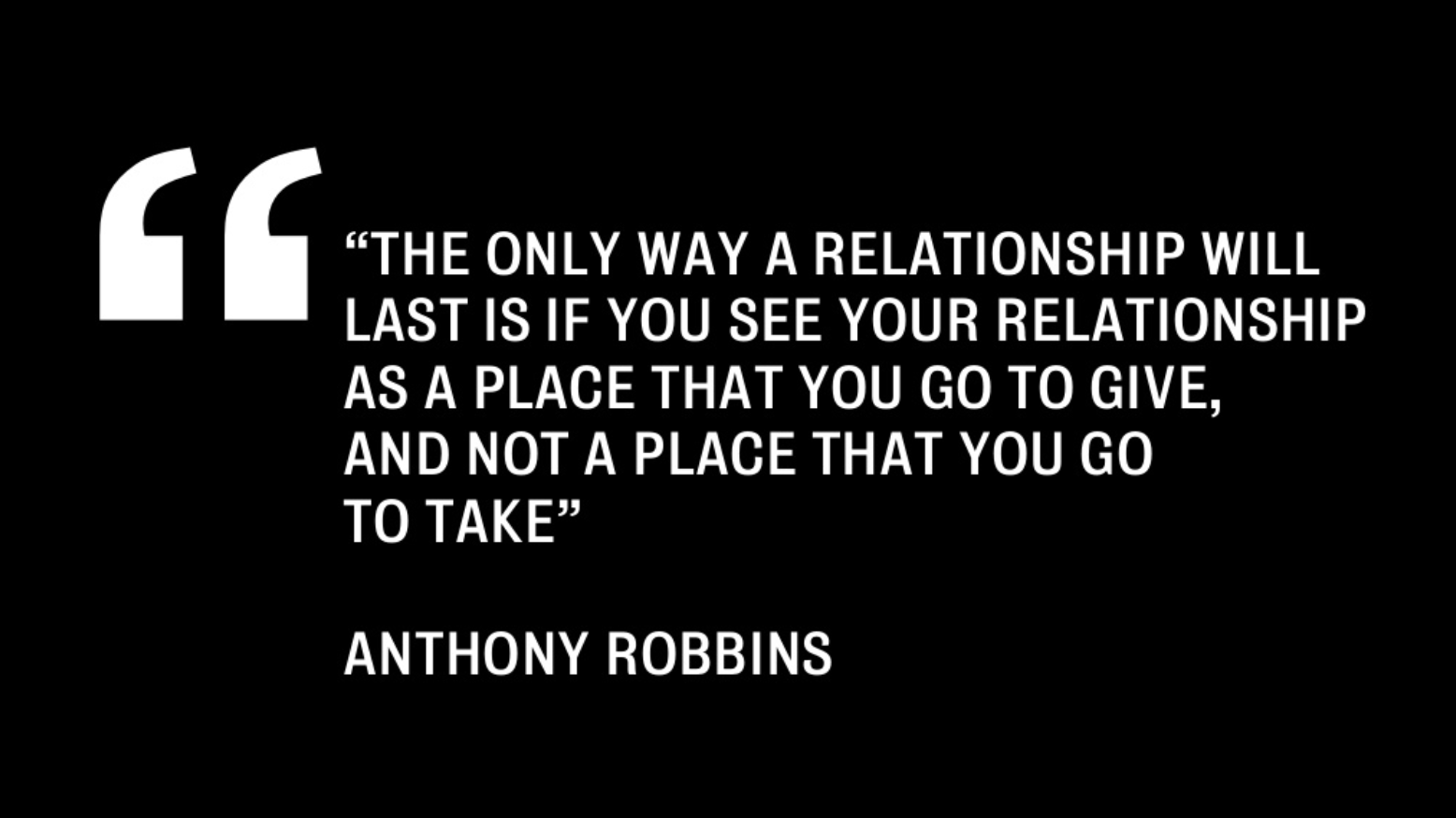
Martin Weigel: Go to give. Don’t go to take.
Even advertising people are human.
In the spirit of “What is remarkable?” I offer Slide #43 from adman Martin Weigel’s excellent Slideshare on how brands fool themselves into thinking they matter in the grand scheme of real life.
They don’t.
Not when it comes to real human interaction.
No sir.
Can a brand serve? Yes. And I will argue that is the profitable space to explore.
I’m not generally an Anthony Robbins fan, but this quote has been stuck in my brainpan since I first reposted these slides. And that is remarkable.
###
Why I Don’t Listen To Christian Music
Short Answer: No One Likes Being Manipulated
On Conversation is an Engine I mostly write about communication and conversation and copywriting and how business interacts because I am fascinated by what happens when people talk. But undergirding this sense of wonder is a faith in God that makes me see much of life in theological hues. The fallout from that theological saturation means I want to approach the work of communication and persuasion from an ethical perspective—as best I can.
Lots of music labeled “Christian” does not do that.
 The college I occasionally teach at has a radio station that spins out Christian music. I stopped listening years ago when I realized my emotions were being manipulated by music that was nearly content-free. It had a veneer of faith, but seemed much more about living a good life and having positive feelings.
Especially positive feelings.
I’m not against positive feelings. Happy is good in my book. Happy makes sense to me. But if happy comes from a sugar-like high that dissipates as quickly as it formed, was it real? And is happy the point of faith in God?
I argue: No.
Happy is good. Joy is better and depending on how you define things, joy lasts longer. And true is best.
And really, what is Christian music? I might argue Tom Waits has a lot more truth to offer than whatever contemporary Christian band is currently famous. The Talking Heads seemed to provide many glimpses of truth—so do many of the folk musicians I listen to. Certainly Mr. Bach and Mr. Mozart and Mr. Telemann and Mr. John Adams and even Philip Glass provide more soaring and more depth and more truth.
Of course, music is a very personal thing and there is no right or wrong. We like what we like and I don’t want to disparage anyone’s choices—really I don’t. But if I sense I’m being manipulated by sentimental lyrics, I move on.
###
Image credit: Kirk Livingston, in response to on the move
Creative Rebellion and Your DIY Career
Creativity + Freedom = Finding Your Work
We’ve finished our last session of freelance copywriting at the University of Northwestern—St.Paul. And now, after all the boring, blathery lecture stuff and all the portfolio additions and all the clever advertising we’ve seen, the bottom line is freelancing is a business of making it up as you go.

Just like no one can teach you to write (though teachers offer suggestions and direction, writing remains something one learns on one’s own), no one can teach you to rebel or to cultivate a disruptive presence in your work. Writing your way into and through creative rebellion is the beginning point to locating a solution to a problem that connects with an audience.
Freelance copywriting has by no means cornered the market on these qualities of creative rebellion. But those freelancers invited back provide value by looking at things deeply and differently. These are the folks who have organized their lives around creative rebellion and get antsy when asked to follow a party line.
Let there be more of this tribe.
###
Image credit: Kirk Livingston
Brands: Still (Always?) Incidental to Life
Bit of truth from Martin Weigel, Wieden+Kennedy, Amsterdam
We all know this, of course.
###
Via the Sell! Sell! Blog
Let’s get visceral: Choose your signal before you gut-punch
What forms say before we know anything
I recognize a business card because of the shape and size. I recognize a sermon more by a particular tone and rhythm (which signals a certain intent) then I do the presence of a pulpit or podium. I know a joke is coming because Letterman is on stage and it is 10:37pm. I know the joke will have a setup and a payoff. Or perhaps the third of three statements will be funny. I am ready for the joke because of these forms.
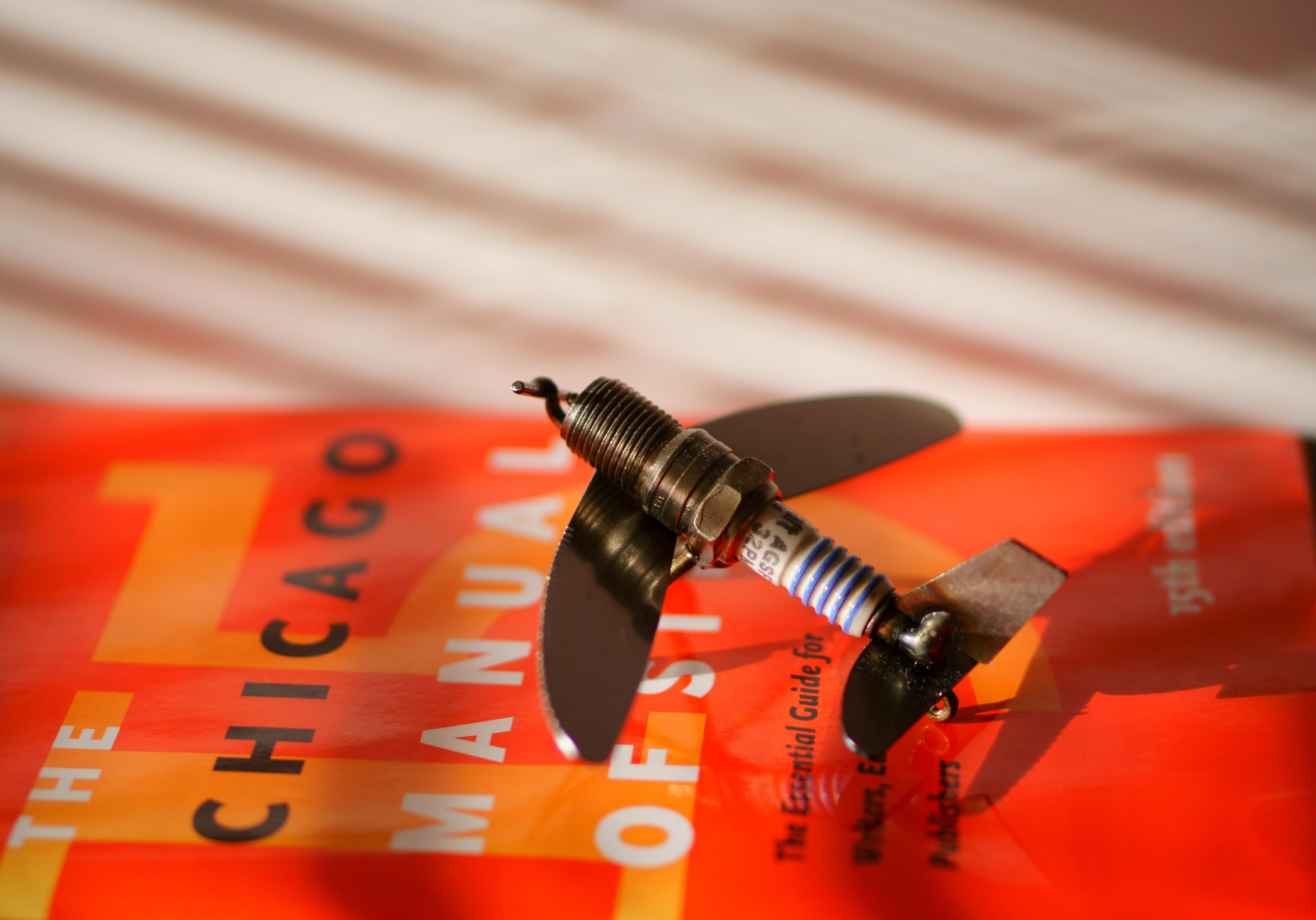
Before we know anything we recognize a form. Our brain sorts how to react to that form, and then, once that is settled, we process communication content. Long before I hear any content, I know what category to place each of those communication events. It is the context that prepares me: when I see X, I know Y is not far behind. My nervous system anticipates the next piece.
But what if the form is out of whack?
What if I hear preaching on a street corner? What if a clever copywriter uses a rubber stamp instead of a business card (“Here, give me your hand and I’ll stamp my contact stuff on you palm.”). And what if Letterman was serious? He has been a few times: right after 9/11 his serious tone—entirely uncharacteristic—began a bit of national healing.
I tell my copywriting students to follow the forms at times and to bust the forms at other times. For instance, we must make our ideas as easy to understand as possible, and so we present our ad concept to a client in a form that is immediately recognizable—even if the idea itself is challenging. And sometimes one thumbs one’s nose at the form on purpose, just to bust through (that is, the communication gut-punch).
In any case, following the form or busting the form is a conscious decision.
And the form is not God (not even a god).
By the way, Dan Pink has a great story about the Pixar way of presenting a concept here.
###
Image credit: Kirk Livingston
What happens when we say stuff?
An Epistemology of Writing
I just realized I run my college writing courses in ways possibly dissimilar to how others do it. We have texts, of course, and readings. We have my dry lectures, which I try to turn to discussion (with limited success). We have examples of excellent copywriting and we talk about why they work and when they don’t. We have questions. We have answers (some from me, many from the class). We have cordial fights and the occasional snark (more remains unsaid, I think). We have yawns and longing looks at the clock.
And we have assignments.
You have my attention.
A portfolio addition due ever Saturday night, five minutes before the stroke of midnight. Way to ruin a perfectly good weekend, right? (Ahem: for the record, one need not wait to start an assignment until 10pm on Saturday night).
It’s the assignments—these portfolio additions—that are the real teachers. I try to direct. I try to offer my small ways of thinking, but the real work of this education happens deep in a student’s brain pain: where sparks fly and catch the dry tinder of panic: “What do I say—and how?”
So it has always been with me: I learn as I write. I often don’t know what I think until I write it. Or say it. Just ask Mrs. Kirkistan. But when I research a topic and begin writing about it, all sorts of synapses fire and connections meet and angels sing and the sun shines on my keyboard, where doves and baby deer have collected. Especially after three cups of coffee.
And this is what I depend on in my class: that the threads of our discussion will come together in the doing thereof—the writing of copy. This capturing of a brand, or a dream. The useful words that direct and possibly encourage as they launch into a reader’s mind.
But this: just doing an assignment dampens the angels singing. This class is less about getting my grade and approval and more about creating something you will proudly show to Ms. Creative Director or Mr. Small Business Owner who can hire your magic for their capitalistic endeavors. I can already see those who get this concept. Their work shows it.
Bless them.
And bless all the rest of us, too.
###
Image credit: Kirk Livingston

 conversation is an engine