Archive for the ‘What is remarkable?’ Category
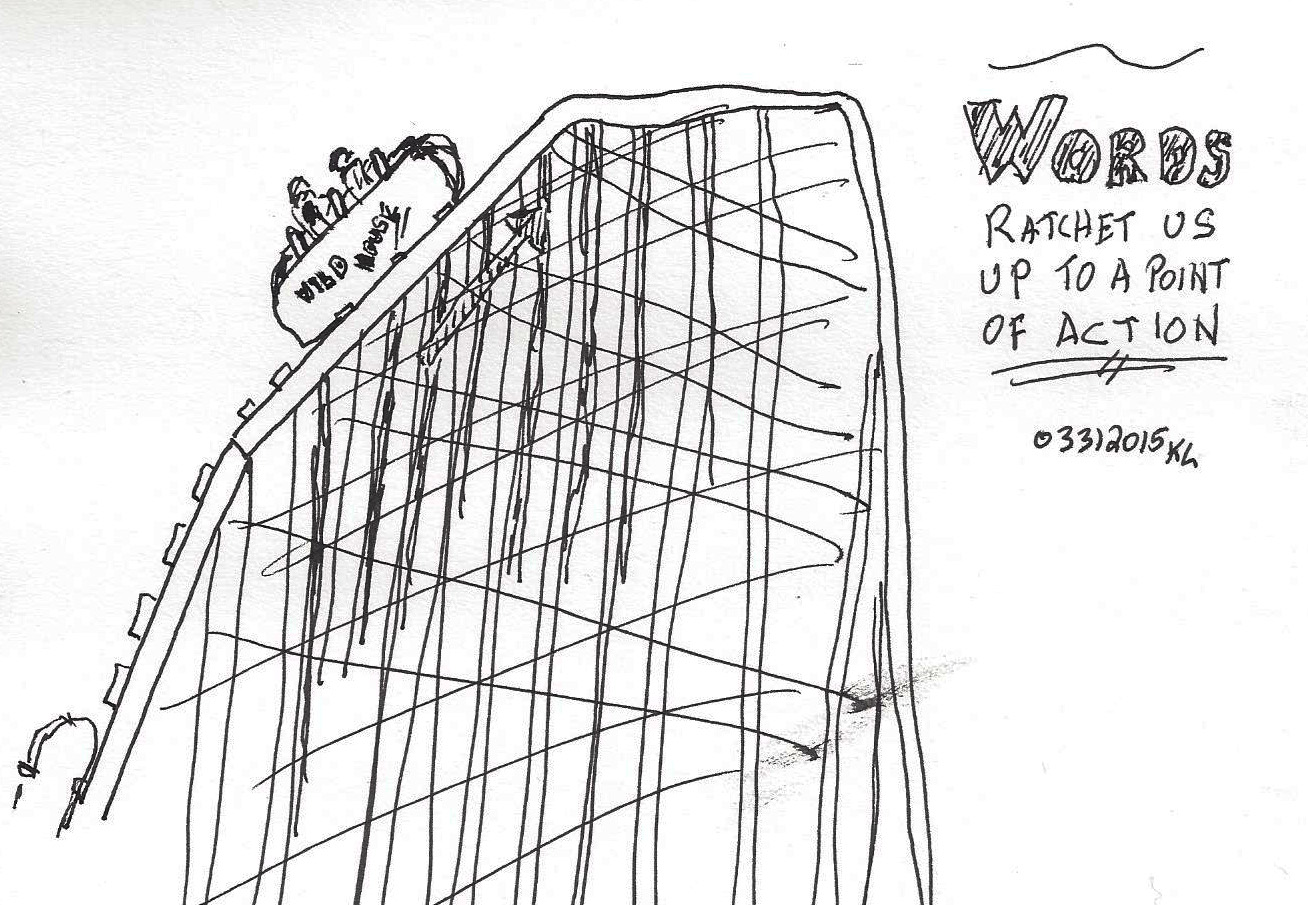
What does fresh hope sound like for cynical colleagues? (How to Talk #3)
A credible word spoken boldly
Constant cynicism is a downward spiral that saps energy, like the dome light on all night—little by little wasting energy for no reason. Eventually the car will not start. Have a conversation with a cynic and the world looks a shade or two darker.
Offering fresh hope to a cynical colleague is not about squatting at the other end of the emotional spectrum, babbling like a Pollyanna. That is quickly seen as fanciful.

No.
Fresh hope is a word of the moment that is credible and believable. A word about where we are going or what we are doing that becomes meaningful. If not meaningful right now, meaningful later. Fresh hope has a way of stopping the cynic, if only momentarily. But even the cynic finds herself meditating on a word spoken yesterday or the day before. The cynic happily shoots down the platitude, but his trigger-finger falters at a contextual insight from a conscious person processing a shared experience.
Fresh hope requires a bit of courage. Cynicism and general world-weariness is always in style.
But hope? Not so much.
But what’s the point of conversation if not to speak up boldly about what is important?
###
Dumb sketch: Kirk Livingston
Dubious Conversation Skills: Skepticism and Fault-Finding
Pivot Your Conversation on Some Fresh Hope
One dubious skill I learned early in corporate life was that skeptics and fault-finders earn respect at a conference table. If you are not presenting the idea (and thus less invested in making it work), you’ll win experience-points with others by blowing holes in whatever the group is discussing. Finding fault won’t cost you much and could win you a more exalted place in the world of that organization. Plus: you need know next-to-nothing about the idea or context to find some loose thread to pull and hope for collapse.

Please walk this way
Yesterday I sat around a conference table with a group of skilled, opinionated, driven people who had a brand new idea. All around the table were invested because they had been working different parts of the idea for some time. The hero directing the conversation skillfully wove a bit of verbal fabric above us by hinting at how these disparate work groups were—quite possibly—creating some brand new category. I’ll not be more specific because of non-disclosure agreements, but what was remarkable to me was the intent of the verbal dreaming and the way it resonated with a group that could have been contentious.
Yesterday’s meeting reminded me that fresh hope is a disarming thing to bring to a group of seasoned people.
By the way, my book ListenTalk: Is Conversation an Act of God? is moving through the publisher’s proofreading department toward an actual physical presence. Chapter 2, “Intent Changes How We Act Together” highlights the work of the late University of Chicago rhetorician, Wayne Booth, who showed three different ways our intentions derail conversations. He ended up developing a way of talking that could unite conversation partners—much like the hero in my story above. You can put your name on a list [here] to be notified when the book is available.
Randomized, double-blind studies indicate that people who put their name on that list live happier, more thoughtful lives. I just made that up. But you can–and probably should–put your name on that list.
###
Image credit: Kirk Livingston
The Academy of Cliche (Canadian Film Festival)
“If I can’t see it coming, I already don’t like it.”
Many of us have studied here far too long.
###
Via Adland.TV
Seeing may be the trickiest part of drawing
Instinct and childhood definitions make poor interpreters of everyday life
Take this dumb sketch (Exhibit A). I made it while sitting in the lobby at the Children’s Theatre Company in Minneapolis. Those green trees? Utter fiction. Apart from a few pine trees, there is very little green in Minnesota right now. Green won’t even think about appearing for weeks.
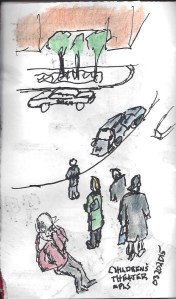
Exhibit A
Yet here we have green trees. I threw a dash of green there because trees are green. Except they weren’t green. They were brown. And scratchy and barren-looking. I commented to a drawing friend that my instinct said “green” from long use of my childhood definition of “tree.” And that slap of green was on before I even thought about it.
The gap between seeing and responding is the troublesome bit. If instinct drives my seeing, I miss pylons and electrical wires and gasoline tank farms and wireless telephone towers. All that industrial accretion I’ve seen one million times—all of it invisible. Even though it is really odd-looking stuff, jutting up into the sky at bizarre angles, like nothing in nature.
I don’t see people too: the clerk behind the counter. The janitor with the broom there, off to the side. I try to become practiced at not seeing the homeless man with his cardboard blessing at the end of the ramp. But that never works.
Mrs. Kirkistan and I volunteer at the Children’s Theater Company. It is simple duty: handing out programs. I was surprised this time by how invisible I became to children. Despite being squarely in their way so they must actively move around me to get into the theater. And when I verbally offer them a program, they twitch, suddenly surprised to see a human directly in front of them.
It’s not that I’m diminutive (I’m not). It’s because the entrance to the theater is awesome, like nothing a kid sees anywhere else. Walking through those double-doors into the dark red cavern with hundreds of seats stretching down and up into space and very strange objects akimbo on the stage—it’s hard for anyone to look away. All of that is purposeful on the part of the theater and adds to the experience.
It’s odd being invisible. And that makes me wonder how many people I miss in the course of ordinary life, simply because I have acted on instinct rather than actually believing the data from my eyes.
Instinct and childhood definitions are poor interpreters of everyday life.
###
Dumb Sketch: Kirk Livingston
How to step into a conversation. And when to step out.
Can presence and distance live in peace?
The philosopher, the writer, the journalist—and many others—work at cultivating distance in relationship even as they stand in the present.
Why do that?
The work of analysis, of illustrating via story and reportage all require distance for the facts to sort themselves. Just like the passage of time has a way of revealing what was important ten, twenty and two hundred years ago. Just like the artist learns to imagine a two-dimensional plane to begin to make marks with/on their media.
Distance starts to open a way forward by helping us see differently. Presence demands attention—that’s the human piece of empathy and mercy. Sometimes we need to slip from present to distant and back again. All the while avoiding absence.
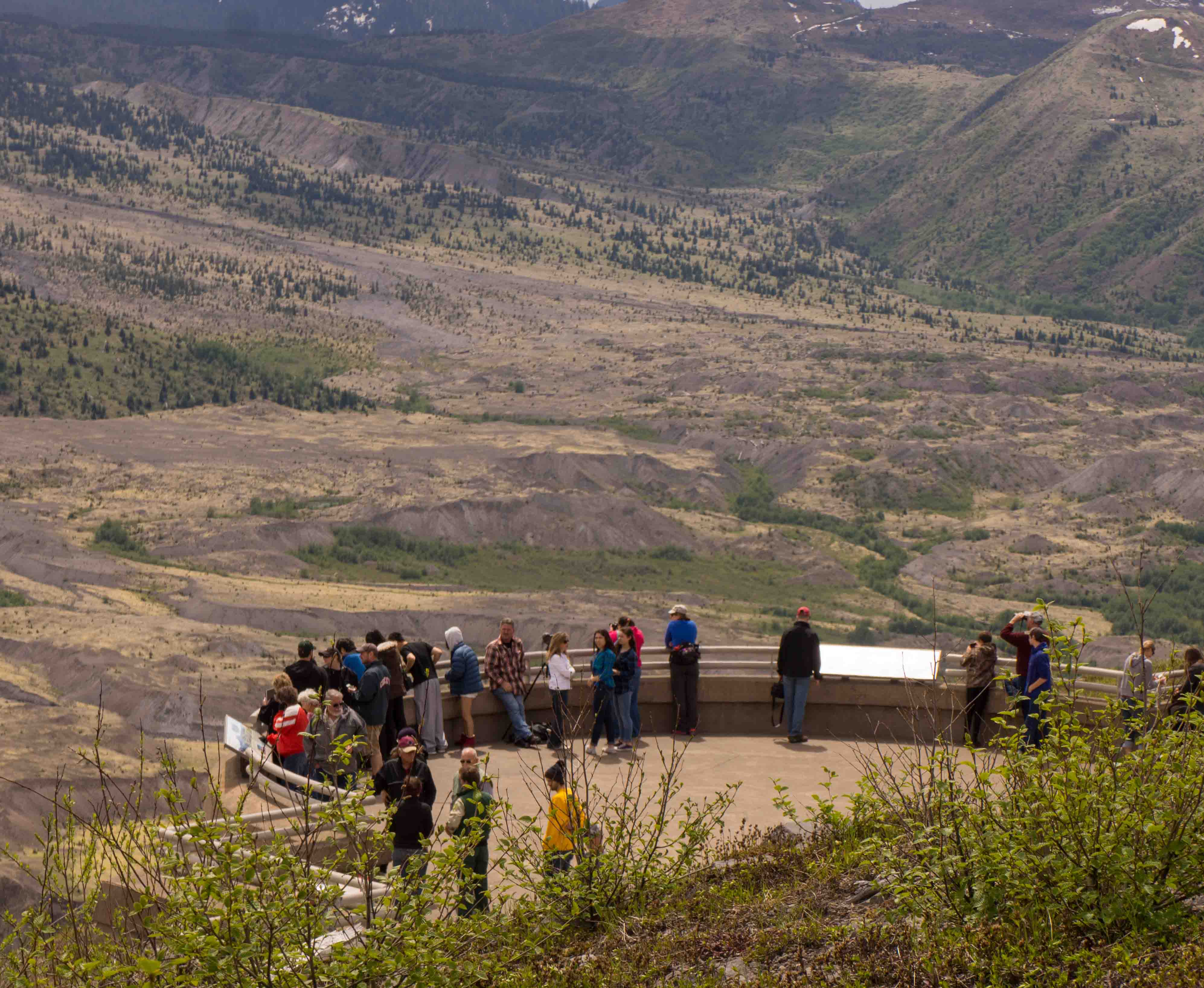
My conversation with the hospice chaplain reminded me of the help a bit of distance brings to sufferers and those in grief. The person slightly distant brings a perspective the sufferer may need to hear, though that perspective may not be immediately welcome. Best if that slightly distant perspective comes wrapped in empathy and mercy.
But even at work we can cultivate a bit of distance for the sake of clarity. When the boss pontificates it doesn’t hurt to ask why she does so and what rhetorical goals her sermon serves.
And even at home we can mingle distance and presence: staying present with family (versus attaching to whatever screen or podcast holds our attention) is the first order of business. But we bring perspective when we step back.
We need presence and distance to move forward.
Absence rarely aids progress.
###
Image credit: Kirk Livingston
What if everyone were as conscious as you?
We See Outside. We Guess at Inside.
This is also a leap of faith: To think the person in the crowd or the car next to you, or the cube next to you is experiencing life in much the same way you do.
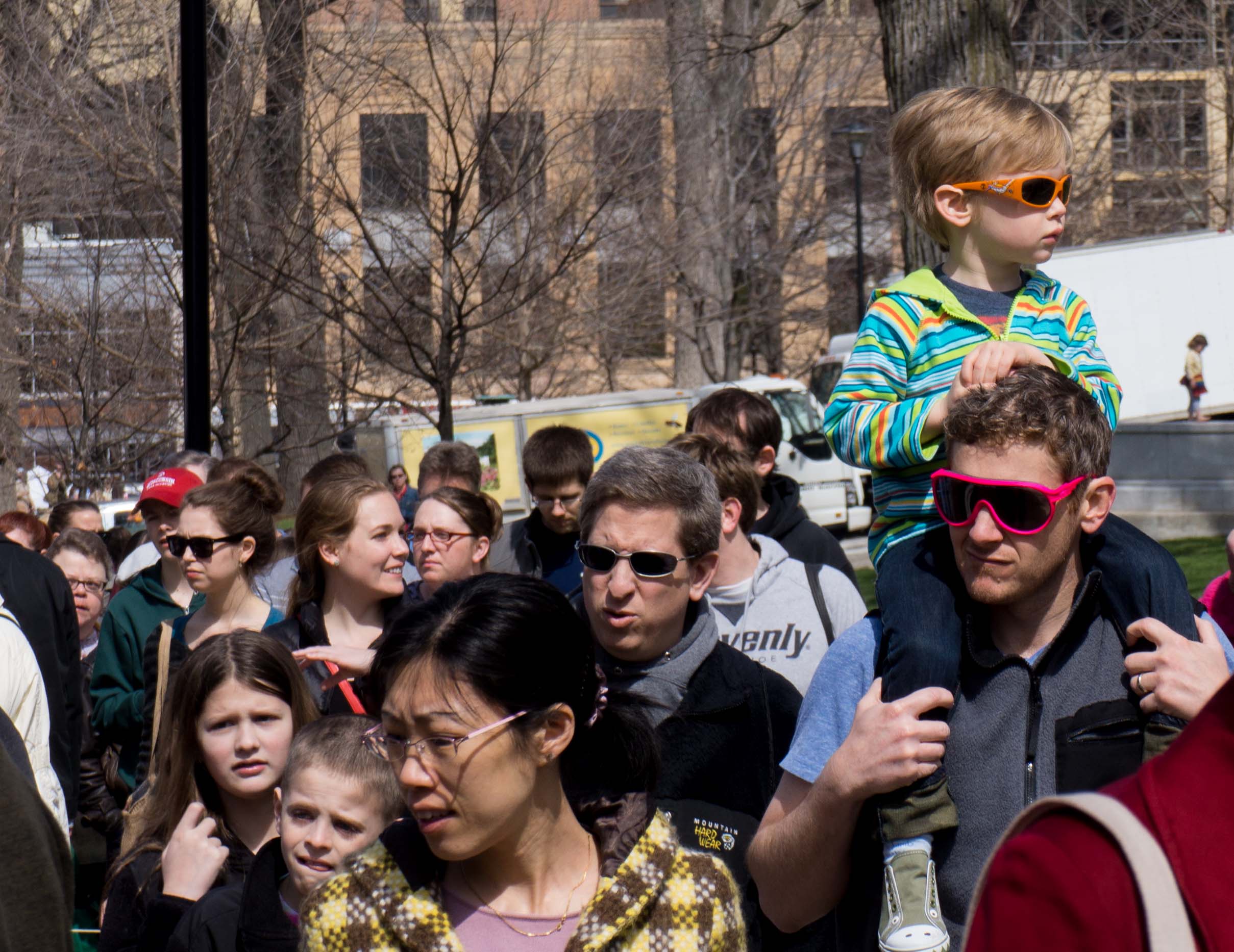
The person in line at Dunn Bros, the person who shares your house or apartment. These people are thinking about all the experiences of life just as deeply as you are. These people are processing the latest first-century brutalities from the so-called Islamic State, they are responding to sunlight, to a spring breeze, to awkward comments and thinking about all sorts of things.
Just like you.
The difficulty with this line of thinking is that I mostly leave it at “idiot driver” without wondering what’s behind the tailgating. I see people acting and I judge them. Rarely do I follow a behavior back to wonder at what might be driving their driving. It simply doesn’t occur to me.
A recent talk with a hospice chaplain made me start to wonder at the complex reactions and consciousness in the people I meet. My friend was talking about how his goal is simply to be present at the bedside of the dying. Often a family can all be there. Sometimes there is only one or two. Sometimes he is alone with the person. What often happens is that he simply listens—because people need to talk. They may talk on and on about nothing, but the talking clears the air somehow. The talking makes way for…something. Even if the content is meaningless, it is still signifying something. If only, “I am still here.”
Not dead yet. Breath is the proof. And maybe a word–a window to inside–with those last exhalations.
###
Image credit: Kirk Livingston
Walker Percy: Small disconnected facts have a way of becoming connected.
Cultivate a low-grade curiosity
Two years in the clink have taught me a thing or two.
I don’t have to be in a demonic hurry as I used to be.
I don’t have to plumb the depths of “modern man” as I used think I had to. Nor worry about “the human condition” and suchlike. My scale is smaller.

In prison I learned a certain detachment and cultivated a mild, low-grade curiosity. At one time I thought the world was going mad and that it was up to me to diagnose the madness and treat it. I became grandiose, even Faustian.
Prison does wonder for megalomania. Instead of striking pacts with the Devil to save the world—yes, I was nuts—I spent two years driving a tractor pulling a gang mower over sunny fairways and at night chatting with my fellow con men and watching reruns of Barnaby Jones.
Living a small life gave me leave to notice small things—like certain off-color spots in the St. Augustine grass which I correctly diagnosed as an early sign of chinch-bug infestation. Instead of saving the world, I saved the eighteen holes at Fort Pelham and felt surprisingly good about it.
Small disconnected facts, if you take note of them, have a way of becoming connected.
–Walker Percy, The Thanatos Syndrome (NY: Picador, 1987) 67
###
Image credit: Kirk Livingston
Where Can I Buy a Fine-Art Mode?
The Beauty of Knowing Nothing
I don’t have a fine-tuning mode that tinkers with physical detail. I draw and it is mostly crude. I cut plywood and pine shelves and they are rough enough to make my craftsman-father scoff into his hand. I make dinner and it is mostly broad-stroke stuff that requires very little finessing. I will confess my popcorn is a work of art, combining yellow and white kernels, salted and buttered and mixed to a sensuous, savory smack of flavor. And I am learning how words interact on a page—though it is slow going.

How does someone get to the point of crafting from rough cuts to fine finished detail? It is possible that in this age of ordering clothes, pizza and romance from a button on our mobile devices, that some things still take time. Some things require beginning at the beginning. The question for each of us: do I have the courage to begin at the beginning? To know nothing for a time and do things badly?
The beauty about not having been taught drawing is that you are in a position of the acquirer: the process of figuring it out might take a while, and you will most likely continue to figure stuff out as you go, but that process is yours. There are no shortcuts and no tricks. Just the plain practice of drawing, screwing up, and drawing some more.
–France Belleville-Van Stone in Sketch! (NY: Watson-Guptill, 2014)
You cannot buy personal processes. Not really. You have to make them from scratch—those processes that help you make meaning in the world. And you have to begin at the beginning.
Mistake will be made.
You will make those mistakes.
And that’s OK.
###
Image credit: Kirk Livingston
3 Lessons I Learned Hanging With 70 Artists
See. Do. Share.
A group of artists in the Minneapolis-Saint Paul area gathers monthly to sketch. They call themselves MetroSketchers. These are talented people with facility for capturing life on a page. Yesterday I showed up to sketch alongside them at the Como Zoo in Saint Paul.

- Look To See. It’s easy to spot these sketchers in the crowds at Como. They are the ones balancing a sketchbook, and possibly watercolors or an arsenal of color pencils. They are the ones looking up and down and up and down at the very scene I dismissed with a quick glance. It’s the lingering look with an intent on capturing what they saw that was meaningful to me. Sketchers linger far longer than the causal passer-by. They must.
- Do It. Right now. That’s it—just get it on paper. Whatever you can. This is a lesson that carries over for me from writing. Do it badly, but just get one good stroke on the paper. One good mark among many bad marks. My great contribution to the day’s artistry was the Polar Bear Butt (the only animal who insisted on posing). Bad as it is, it is still a move toward representation.
- Share It. These uniformly talented people were also great encouragers. To a person they were all about what you saw and the marks you made in response. They found good stuff to say even when good stuff was pretty well hidden behind lots of not-good stuff. They also loved to talk about paper weight, the best inks to use, how small they can pack a watercolor kit and, “…here, let’s just walk through my sketchbook together.”
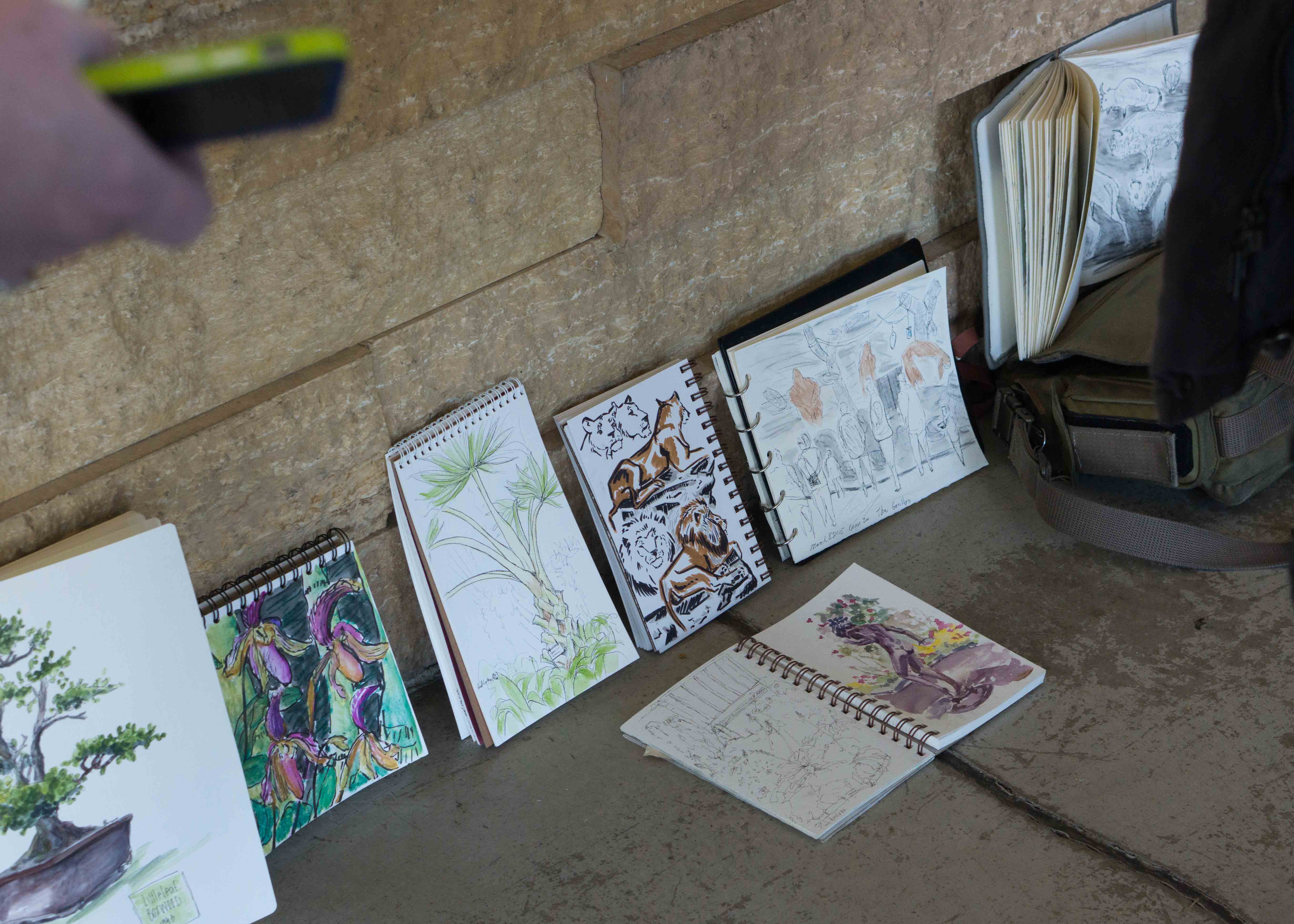
I spoke with many during the sketching and they were more than happy to show what they were doing, to describe how they were seeing and to talk about the difficulties in representation.
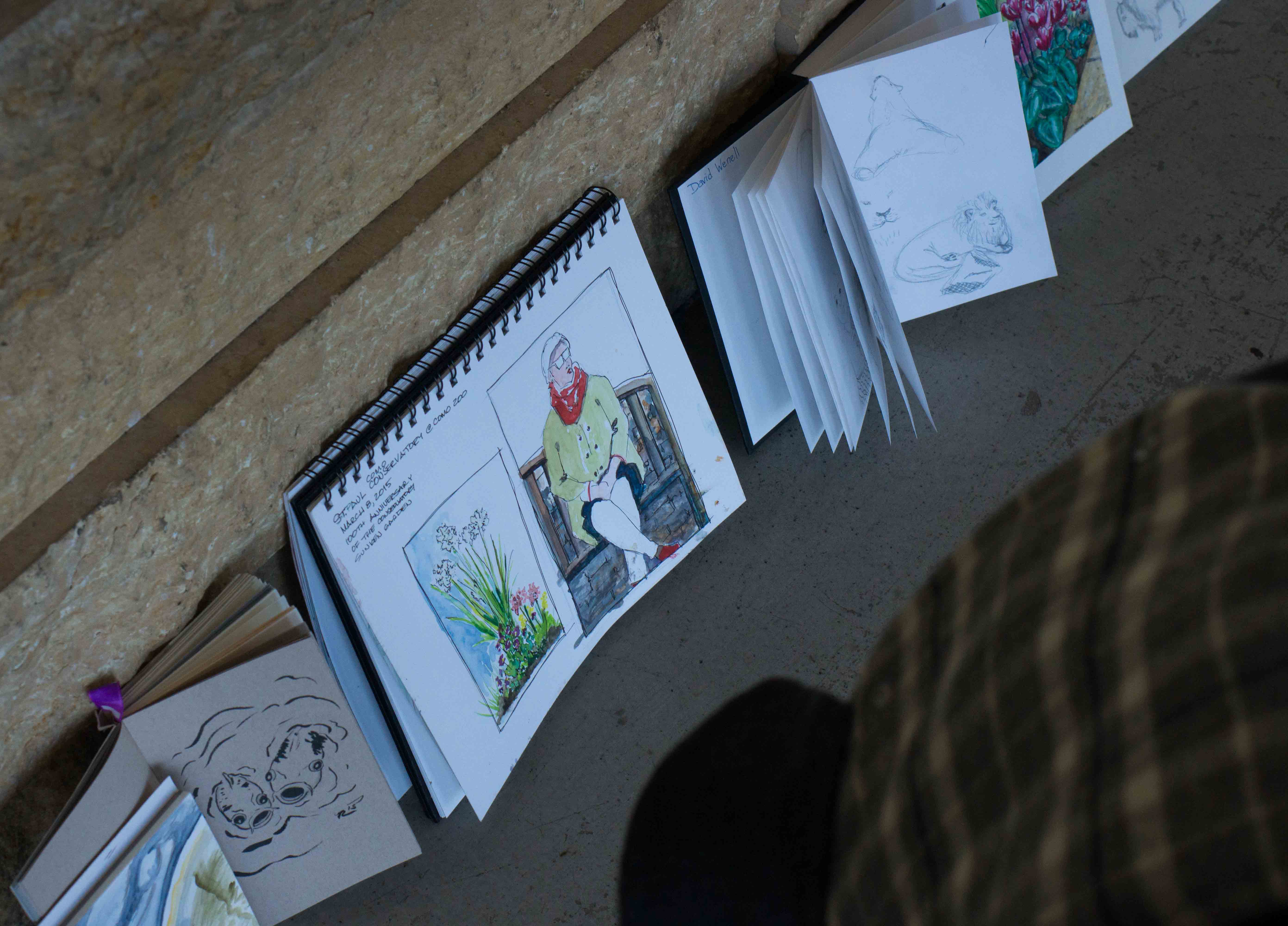
More than one sketcher expressed delight in what they were seeing—and if that is not a perfect reward for the interaction between drawing and seeing, then I don’t know what is.
###
Image credit: Kirk Livingston

 conversation is an engine