Archive for the ‘curiosities’ Category
Cottonwood and Woolgathering
Many small impressions add to something—or not.
Cottonwood is everywhere this time of year in Minnesota. When driving at night, it looks like a snowstorm—light reflects off the airborne wooly-white so you ask yourself “What season is this?” Cottonwood catkins collect in inconvenient places (Example A). With all these loose seeds flying about, it’s a wonder Cottonwood trees are not sprouting from every bit of available soil.
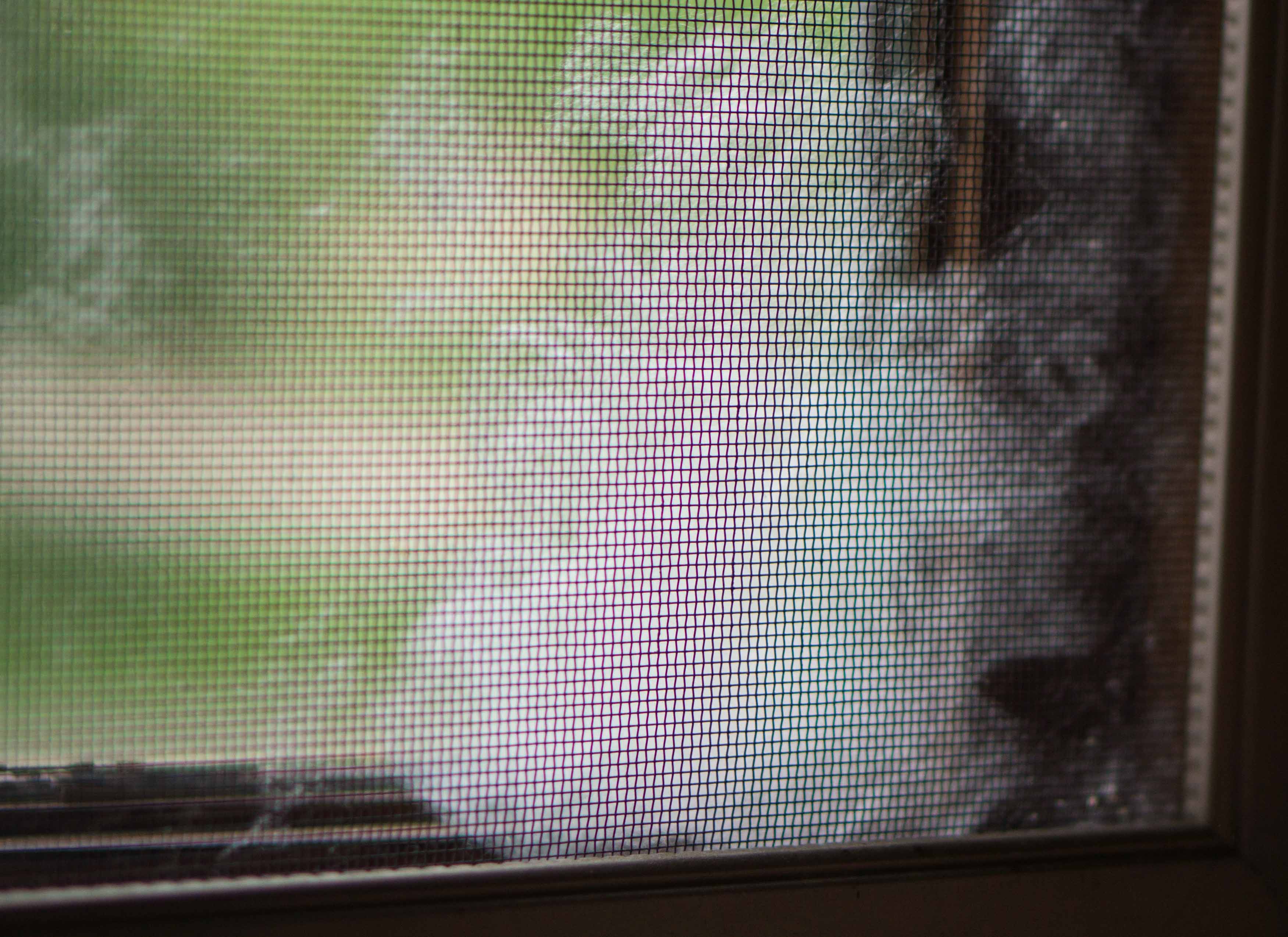
Example A.
June cottonwood blizzards remind me of the collection of loose fears and wonderments that have been rolling through my brain lately. Little silences and absences that mean nothing until they gather into a solid-seeming impression. My friend whose cancer is in remission but whom I have not heard from for a long time. Couples I have not talked to together for many months. The out of work friend (s)—what are they doing and why have I not asked them?
As I combat cottonwood seeds today, I think I’ll see how my friend is doing.
###
Image credit: Kirk Livingston
Volkswagen up!: Takes you places
Here’s a tagline with a brand promise you can believe
This approach appeals to the utilitarian cynic in me.
Via Ads of the World
Editorial Cartoon vs. Rough Sketch
Pique a place to begin.
Charlie Hebdo meant to disrupt and paid dearly. That is what every editorial cartoonist wants, well, not so much death as to disrupt. I’m a fan of Steve Sack at the StarTribune, who every day tips some social issue on its ear.
The contribution of the editorial cartoonist is to change the status quo conversation by putting forward an opinion in whatever outrageous way that gets attention and is instantly understandable. Most of their work is an image that evokes a passionate response. The editorial cartoon is typically polarizing, immediately dividing those in violent disagreement from this in violent agreement.
In contrast, the rough sketch is presented to people who are already with us. They may not agree with our nuanced vision of a project, but they at least have the project on their radar.
We use the rough sketch to present our vision for the project, to show more precisely what we mean and to invite discussion. The whole undone sketchy ethos of it can accomplish all those things.
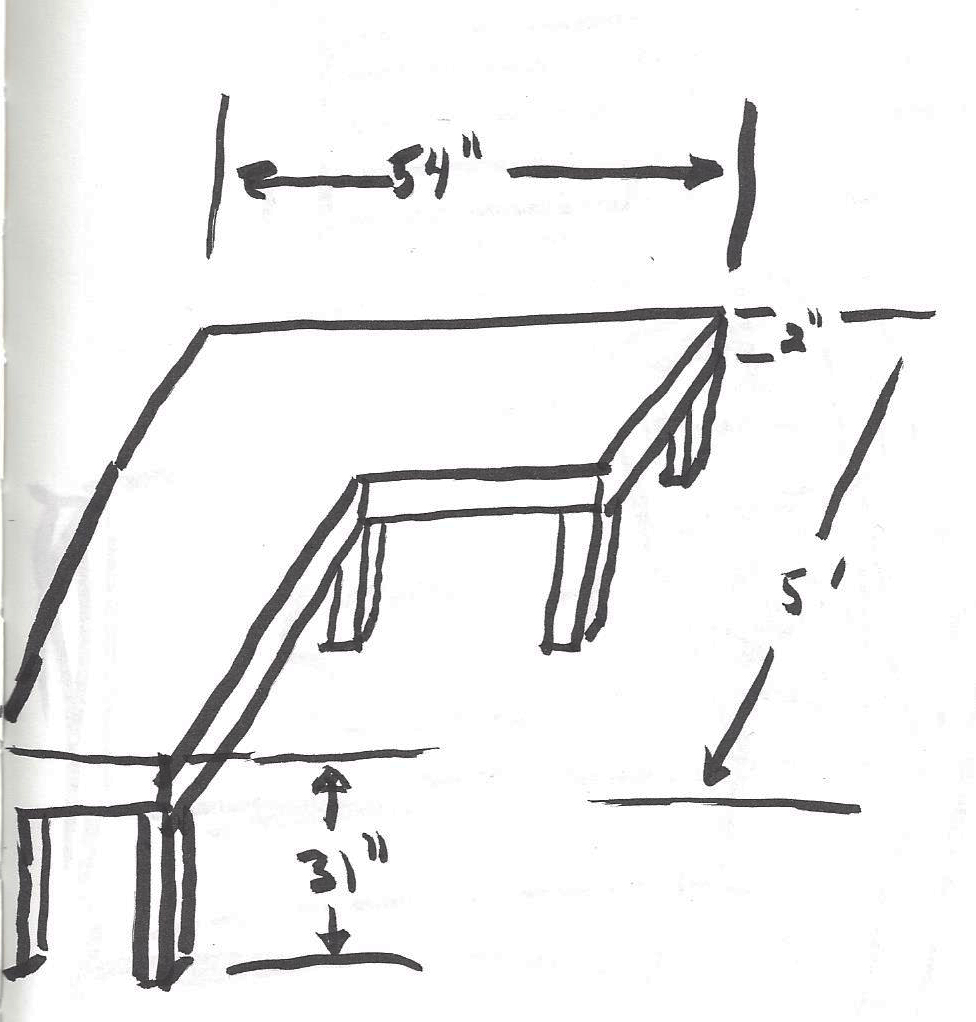 Sometimes we need a rough sketch to present our idea in the easiest possible way—so our friend or client cannot misunderstand us. And sometimes we need to disrupt a status quo conversation and risk passionate ire.
###
Image credit: Steve Sack, StarTribune
Dumb sketch: Kirk Livingston
Mommy, why do we electrify grandfather’s sarcophagus?
Xcel Energy Tips for Dead Wood
Dear WOOD,


You used less than average, but 100% more energy than your efficient neighbors:

Tips for conserving electricity:
- Turn off lights when you leave the room.
- Turn off lights IF YOU ARE DEAD.
Please update your mailing address, as invoices mailed to LAKEWOOD CEMETERY have been returned as undeliverable.
Find more energy-saving tips at Xcel Energy.
###
Image credits: Kirk Livingston
If I had a hammer.
I’d put it away for the weekend.

Seen while walking in Northeast Minneapolis.
###
Image Credit:Kirk Livingston
DBT: When Does Talk Become Therapy? (Shop Talk #9)
Can a conversation save your life?
I recently met a therapist who practices dialectical behavior therapy (DBT). She and her team work with clients who may struggle with a number of issues including borderline personality disorders and thoughts of suicide, among other things. As we talked it seemed to me that her practice was very much focused on, well, talking. Her practice of therapeutic talk has a pretty good track record of helping people find ways through each scary personal wilderness.
In Doing Dialectical Behavior Therapy: A Practical Guide (NY: The Guilford Press, 2012), Kelly Koerner describes some pieces of how this therapy works:
Emotion dysregulation is the inability, despite one’s best efforts, to change or regulate emotional cues, experiences, actions, verbal responses, and/or nonverbal expression under normative conditions.
Gaining control is a matter of recognizing biologically-based contributing characteristics, focused regular therapeutic conversations, skills training, self-monitoring and a host of other strategies and tactics.

As a non-therapist outsider, I am simply curious as to how far conversation can go to help people become well again. And I am very curious as to what a therapeutic conversation looks like. While we may or may not suffer the particular illnesses that Koerner notes, I am reasonably certain anyone reading this can testify to the clarifying power of a conversation with a good friend and the long-term impact conversations have on keeping us…sane.
In ListenTalk: Is conversation an Act of God? I try to show what happens in our simple and ordinary conversations. I found a few philosophers to talk with some ancient texts (pre-order ListenTalk here), and what they ended up saying together continues to surprise me. It’s a book that will be interesting to people of faith, but the big idea is that since people matter, our talk together matters. And more than that, we actually come alive in tiny ways when in conversation.
I’ve begun tracing the different paths where conversation is truly an engine for some particular outcome. I’ve noted the product place of conversation in many business settings. I’ve wondered about the role of conversation in connecting any/all of us to God. And now here is another example of using the ordinary tool of talk to uncover and possibly address deep-seated need.
Talk. It’s a marvel.
Other Shop Talks you may find interesting:
- Writing with Sheet Metal (Shop Talk #2)
- Is Your Job Fulfilling? (Shop Talk #3)
- Power Distance Vs. Skunkworks (Shop Talk #8)
###
Image credit: Kirk Livingston
Praise an Adult: “You’re a good eater and sleeper.”
And that’s saying something.
According to Mrs. Kirkistan, these are two of my (many?) positive traits:
You’re a good sleeper and a good eater.
She is right: I am. Both.
That’s the kind of stuff we say about an infant, in which case it is high praise indeed: getting that little human to sleep and eat bodes well for future growth. It’s some of the first stuff we can say with any authority about a newborn.
But we struggle to praise an adult.
If we look at those same qualities on the other end of the lifespan, “good sleeper” remains a positive. Older folks have a hard time sleeping (it turns out all sorts and ages of people have a hard time sleeping). What constitutes a “good eater” changes through the years as well. Moving from a voracious eater to a judicious eater seems an especially praiseworthy approach that can span the years.
Still, how can we offer praise to one another in a meaningful way? The trophy for “just showing up” is nearly worthless and most of us see through that. But acknowledging the contributions we each make goes a huge way toward helping each other find and lay hold of our better meaning-making activities.
Yesterday my client drew a red star next to a paragraph he liked. It’s a small thing, but in conversation I told him it was meaningful that he did that. Our best work, it seems, goes by mostly unremarked. That’s how we know it is good—no one says anything. This is in contrast to when we are kids and our parents praise us for picking up our toys or finishing our Brussel sprouts. Even in school we look for praise from teachers and professors to know that we are doing the right thing/on the right track. But most of life doesn’t work that way.
Giving feedback can help us close the circuit for each other. Even if barely acknowledged, a complement does a whole lotta good.
But it better be true. Otherwise it’s just pandering.
###
Image credit: Kirk Livingston


Decentered. As in “not the crux of all things.”
A place for everything and everything in its place
I’ve put a recurring early-morning block on my calendar titled “Decenter.” The block or early morning quiet and focus has actually been on my calendar for decades, but I’ve recently retitled it based on a cue from Merold Westphal, a philosopher who teaches at Fordham University.
Westphal, writing in The Phenomenology of Prayer (NY: Fordham University Press, 2005), introduces prayer as a “decentering” activity. As a conversation, prayer takes me out of the center of my universe. Like the prayers of the old poet-king or the prayers of the inveterate letter-writer, these are conversations that recognize some other as the center of everything. Those two saw God as the center—I’m with them on that.

There is mystery beyond our convenient placeholders.
Of course, “de-centering” is not the way we could describe many of the prayers we pray. We send up endless lists to some imagined order-taking god, with caveats about when (“Now works for me. How about now?”) and where and how. And especially how much. But listen to Westphal:
…prayer is a deep, quite possibly the deepest decentering of the self, deep enough to begin dismantling or, if you like, deconstructing that burning preoccupation with myself. (Prayer as the Posture of the Decentered Self, 18)
Again and again I find myself at the center of all existence. Maybe you do too. We’re sorta set up for that, given eyes and ears that operate from a central pivot, constantly swiveling about to take in all we possibly can.
It seems natural enough to think everything revolves around us.
The truth is we need help to back away from this “burning preoccupation.”
###
Dumb sketch: Kirk Livingston

 conversation is an engine